

Ford Escape Serpentine Belt: A Guide for 2001-2016 Models
That squealing noise from your Escape's engine is a warning sign—here's what you need to know before the serpentine belt fails.
- A squealing noise is the number one warning sign; do not ignore it as a complete belt failure will leave you stranded.
- When replacing the belt, it is strongly recommended to also replace the belt tensioner to prevent premature wear and continued noise.
- Premium aftermarket brands like Gates, Continental, and Dayco offer OEM-quality replacements and are trusted by professionals.
- If the belt breaks while driving, you will lose power steering, battery charging, and possibly engine cooling, leading to a breakdown and potential engine damage.
Is Your Escape Making a Squealing or Chirping Noise?

A high-pitched squeal or a steady chirp 🎬 Watch: How to diagnose the source of your belt noise from the engine bay is the most common sign of a serpentine belt problem in a 2001-2016 Ford Escape. This noise is often louder on cold starts, when you turn the steering wheel, or when you switch on the A/C. It's caused by the belt slipping on the pulleys because it has become worn, stretched, or contaminated with fluids like oil or coolant. While the noise is annoying, it's also a critical warning that the belt or another part of the system is failing.
Symptoms of a Failing Serpentine Belt

- Squealing or Chirping Noises: The first and most common symptom of a worn or loose belt.
- Visible Damage: A visual inspection may reveal cracks, frayed edges, missing ribs, or a glazed, shiny surface on the belt.
- Accessory Malfunctions: You might experience dimming headlights or a battery warning light (from the alternator not charging), heavy steering (loss of power steering), or an A/C that no longer blows cold air.
- Engine Overheating: If the belt drives the water pump, a failure will cause the engine temperature to rise very quickly, leading to severe damage.
Pro Tip: It's Often the Tensioner, Not Just the Belt
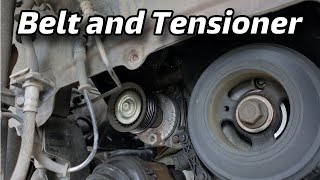
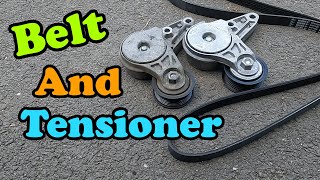
The most common reason for belt noise and repeated failures is a weak or worn-out belt tensioner. The tensioner is a spring-loaded pulley that keeps the belt tight. If you're replacing a noisy or worn belt, it is highly recommended to replace the tensioner and inspect the idler pulleys at the same time. Installing a new belt on a bad tensioner will likely result in continued noise and will destroy the new belt quickly.
Choosing the Right Aftermarket Serpentine Belt

For the Ford Escape, you don't have to buy the OEM Motorcraft part to get excellent quality. Several aftermarket brands are known to be original equipment suppliers for Ford and other automakers, offering parts that meet or exceed OEM specifications.
- Premium Aftermarket (OEM-Equivalent): Brands like Gates and Continental are top-tier choices trusted by professional mechanics. They use high-quality EPDM rubber compounds that resist heat and cracking, ensuring a long and quiet service life.
- Standard Aftermarket (Quality Alternatives): Dayco is another well-regarded brand that offers reliable performance and is a popular choice for daily drivers. Forum discussions among owners show confidence in Dayco as a dependable replacement.
- OEM (Motorcraft): Motorcraft belts are the official Ford replacement part and are guaranteed to fit and perform correctly. However, these are often manufactured by one of the premium aftermarket brands mentioned above and simply rebranded.
| Part / Service | Estimated Cost |
|---|---|
| New Aftermarket Belt | $7.63 - $83.88 |
| Shop Labor for Belt Replacement | $100 - $200 |
| Belt Tensioner (Recommended) | $30 - $100+ |
Frequently Asked Questions (FAQ)

How often should I replace my Escape's serpentine belt?
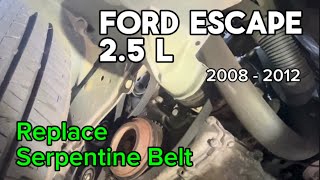
A serpentine belt on a Ford Escape should typically be replaced every 60,000 to 100,000 miles as preventative maintenance. However, you should start visually inspecting it for cracks and wear around 40,000 miles, especially if you live in a harsh climate.
Can I replace the serpentine belt myself?
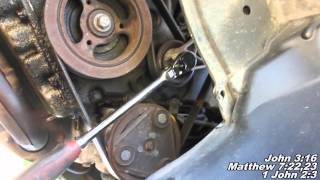
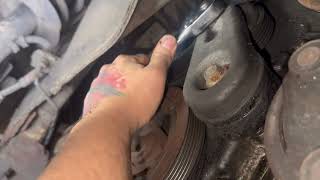
For someone with mechanical experience and the right tools, this is a feasible DIY job. It requires a long-handled wrench or a specific serpentine belt tool to release the tensioner. Access can be tight, particularly on V6 models. 🎬 Watch: Step-by-step belt routing and replacement for V6 engines On some engines like the 1.6L EcoBoost, the tensioner must be moved to get the belt off, making it a good time to replace both parts together.
🎬 See this DIY walkthrough for 2013-2016 belt and tensioner replacementMy new belt is still squeaking. What's wrong?
If a new belt is making noise, the problem is almost certainly the belt tensioner or a misaligned pulley. A weak tensioner cannot provide enough force to keep the new belt from slipping. Never use a spray-on "belt dressing," as it can damage the belt material and only masks the underlying problem.
Were there any recalls for the serpentine belt on the 2001-2016 Escape?
Searches of the NHTSA database did not show any recalls specifically for the serpentine belt on these model years. Most issues are related to normal wear and tear of the belt and tensioner. Some owners of 2008-2009 models have reported issues with a cracked A/C compressor bracket causing the belt to be thrown off.
Helpful Videos
Technical Specifications
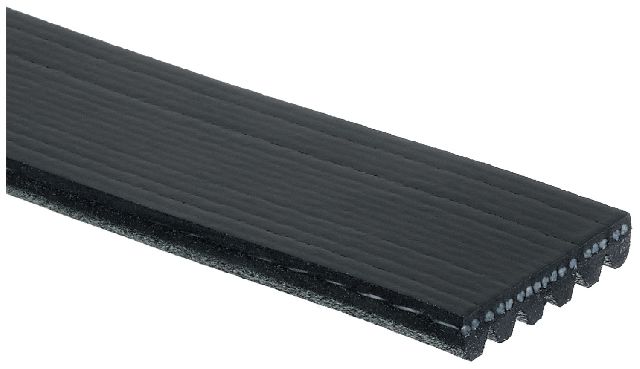
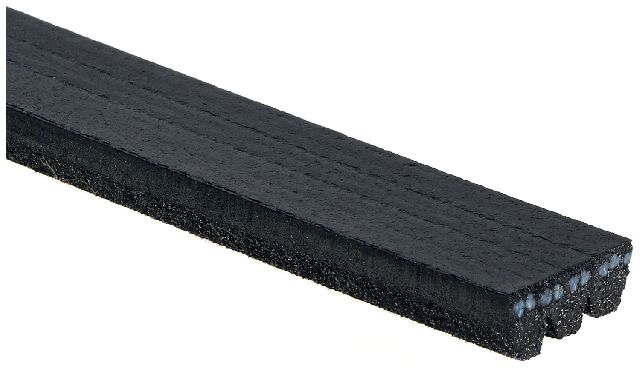
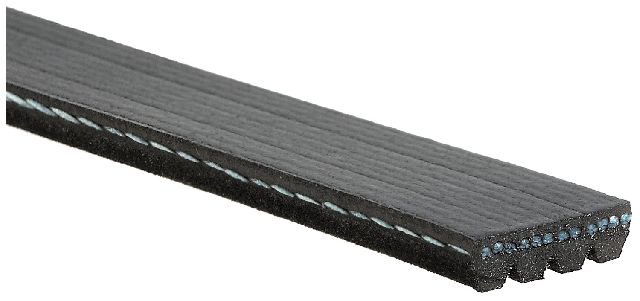
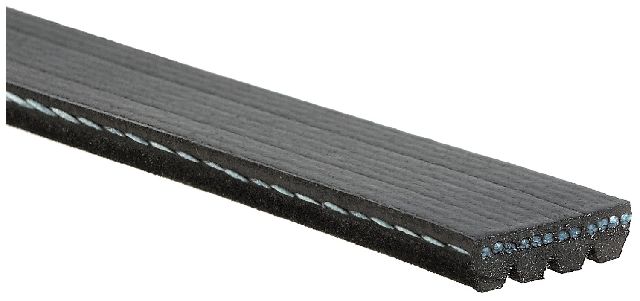
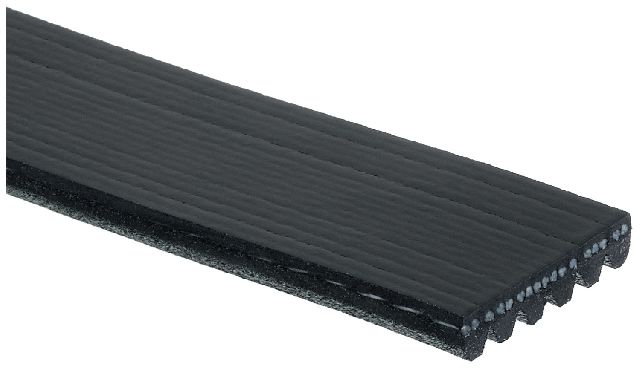
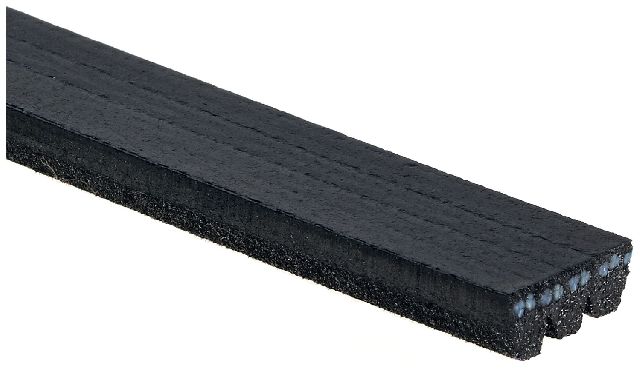
The serpentine belt is made of EPDM (ethylene propylene diene monomer) rubber for durability and resistance to heat and cracking. The correct length and number of ribs are specific to your Escape's engine (e.g., 2.0L, 2.3L, 2.5L, 3.0L V6, or 1.6L EcoBoost) and accessory package (with or without A/C).
We Have This Part in Stock

The information in this article is provided for general reference and educational purposes only. Vehicle specifications, procedures, and part compatibility can vary by production date, trim level, and region. Always consult your vehicle's factory service manual and verify part numbers before purchasing or performing repairs. Safety-critical components such as airbags, seat belts, and braking systems should be installed by a qualified professional.
- Ford Escape: