

Toyota Prius Engine Coolant Temperature Sensor: A Guide for 2001-2018 Models
This small sensor is critical for your Prius's fuel economy and engine health; here's how to know when it's failing and how to choose a replacement.
- A faulty ECT sensor directly impacts a Prius's fuel economy by preventing it from entering EV mode.
- Denso is the OEM supplier, making it the best aftermarket choice for quality and reliability without the dealer markup.
- Common symptoms include a check engine light (P0117, P0118), poor MPG, and overheating or false overheating warnings.
- Replacement is a simple DIY job for most owners, requiring basic tools and about an hour of time.
Symptoms of a Failing Coolant Temperature Sensor in a Prius

A bad Engine Coolant Temperature (ECT) sensor can cause several noticeable problems. Because the car's computer relies on this sensor for key decisions, a false signal can disrupt performance. When the sensor fails, the computer often enters a "fail-safe" mode, assuming a fixed temperature (like 176°F), which is usually incorrect and leads to issues.
- Check Engine Light: This is often the first sign. The computer will log fault codes like P0115, P0117 (low input/short circuit), or P0118 (high input/open circuit).
- Poor Fuel Economy: If the sensor always reports a cold engine, the computer will enrich the fuel mixture, wasting gas. This also prevents the Prius from entering its fuel-saving EV (electric vehicle) mode.
- Engine Overheating or False Overheating Alerts: The sensor helps control the electric cooling fans. A bad sensor might fail to turn the fans on, causing the engine to actually overheat. Conversely, it can send a false "hot" signal, triggering an overheat warning light on your dash even when the engine is fine.
- Black Smoke from Exhaust: A constantly rich fuel mixture from a false "cold" signal can result in unburned fuel exiting through the exhaust, creating black smoke.
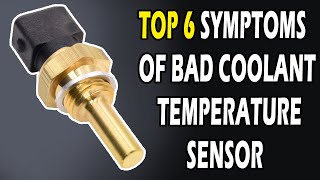
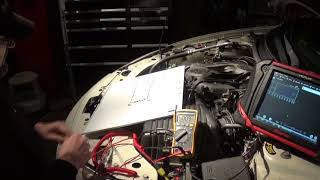
- Rough Idle and Poor Performance: With the wrong air-fuel mixture, the engine can idle poorly, hesitate, or feel sluggish. 🎬 Watch: 8 common symptoms of a failing coolant sensor.
Is it the Sensor or Something Else?
Sometimes, symptoms like an overheating engine or a P0117 code can be caused by other cooling system issues, such as a failing water pump, thermostat, or air in the system, not just the sensor itself. It's important to diagnose the problem correctly before replacing parts.
Choosing the Right Aftermarket Sensor

When replacing the ECT sensor on your Prius, you have a choice between Genuine Toyota parts and a wide range of aftermarket brands. For this specific part on a Toyota, the decision is fairly straightforward.
OEM vs. Aftermarket Quality
Many owners and mechanics report that Denso is the Original Equipment Manufacturer (OEM) for Toyota's coolant temperature sensors. This means a Denso-branded sensor from an auto parts store is often the exact same part you would get from a Toyota dealership, just in a different box and at a lower price. Given the sensor's critical role, choosing an OEM-quality part is highly recommended.
Brand Tiers for Toyota Prius
- Tier 1 (OEM Supplier): Denso is the top choice. It provides OEM quality and fit without the dealership price tag. NGK/NTK is another highly respected Japanese brand known for its sensors and is also a strong choice.
- Tier 2 (Reliable Aftermarket): Brands like Delphi, Standard Ignition (SMP), and Beck Arnley generally have a good reputation for producing reliable electronic components that meet or exceed OEM specifications.
- Tier 3 (Value Options): Brands such as URO Parts, Facet, and Walker Products are typically more budget-friendly. While they may function correctly, their long-term reliability and manufacturing consistency may not match the higher-tier brands. For a critical sensor like this, spending a few extra dollars for a Tier 1 or Tier 2 brand is a wise investment.
Pro Tip: Given that a Denso sensor is often available for a moderate price, it is the most recommended option for a balance of quality, reliability, and value for your Prius.
Cost of Replacing a Toyota Prius ECT Sensor

The cost to replace the ECT sensor is relatively low compared to many other engine repairs. The part itself is not expensive, and labor is minimal.
| Part/Service | Estimated Cost |
|---|---|
| New OEM Sensor | $65 - $98 |
| New Aftermarket Sensor | $13 - $95 |
| Shop Labor | $60 - $120 |
| Total Estimated Cost (Shop Repair) | $100 - $215 |
Frequently Asked Questions (FAQ)

Where is the engine coolant temperature sensor located on a Prius?
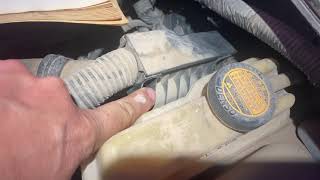
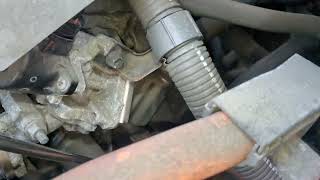
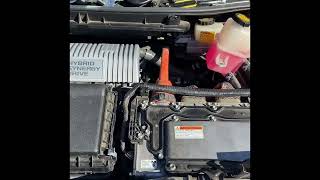
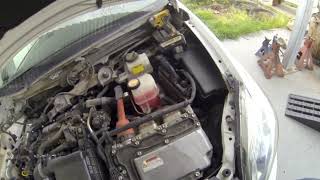
The location varies slightly by generation. On 2nd Generation (2004-2009) models, it is often found on the driver's side of the engine, accessible from underneath the car after removing a plastic splash shield. 🎬 See this step-by-step replacement for 2004-2009 Prius models. On 3rd Generation (2010-2015) models, it is on the driver's side of the engine block, accessible from the top, though it is in a tight space and may require removing a small bracket for easier access.
🎬 Watch: How to replace the sensor on 2010-2015 models.Can I replace the sensor myself?
Yes, this is a very DIY-friendly repair for someone with basic tools. The main tool needed is a deep 19mm socket to unscrew the sensor. You will lose a small amount of coolant when you remove the old sensor, so have the new one ready to install quickly to minimize the loss. Always top off the coolant afterward.
Are there any recalls for the Prius coolant sensor?
No, there are no specific recalls for the engine coolant temperature sensor on 2001-2018 Toyota Prius models. There have been recalls for other components, like a wire harness in 2016-2018 models, but not the sensor itself.
What happens if I don't replace a bad ECT sensor?
Driving with a bad ECT sensor is not recommended. Your car will run inefficiently, leading to very poor gas mileage. More seriously, if the sensor fails to activate the cooling fans, your engine could overheat, potentially causing severe and expensive damage like a blown head gasket.
Helpful Videos





Technical Specifications
OEM Part Numbers: 89422-33030 89422-35010 89429-47010 89422-20010
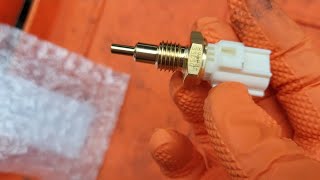
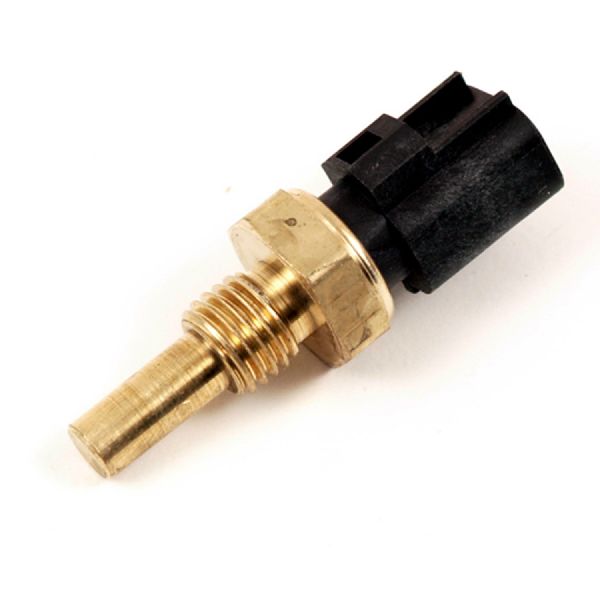
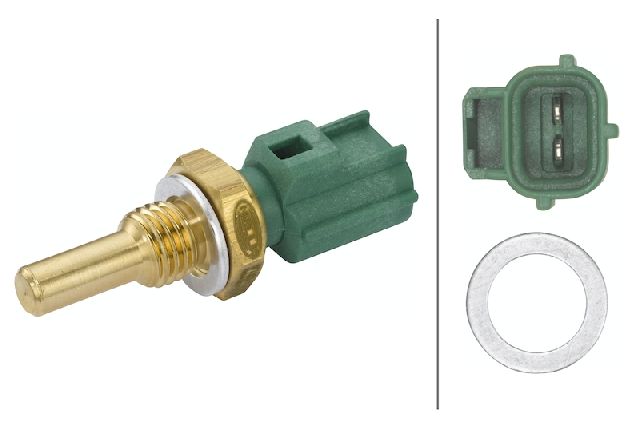
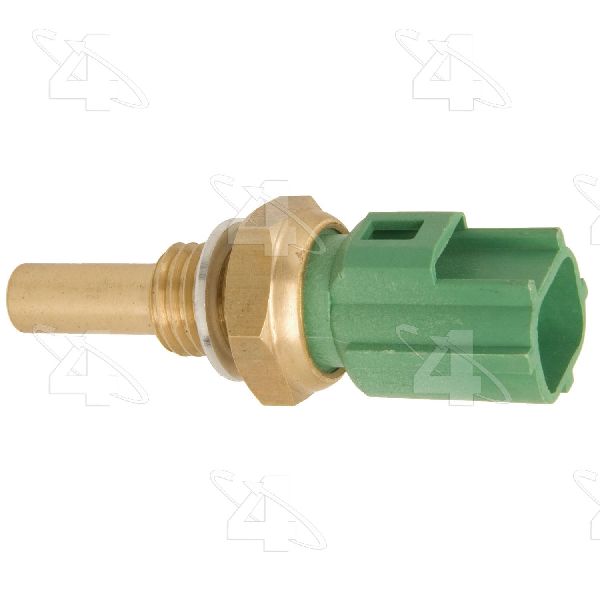
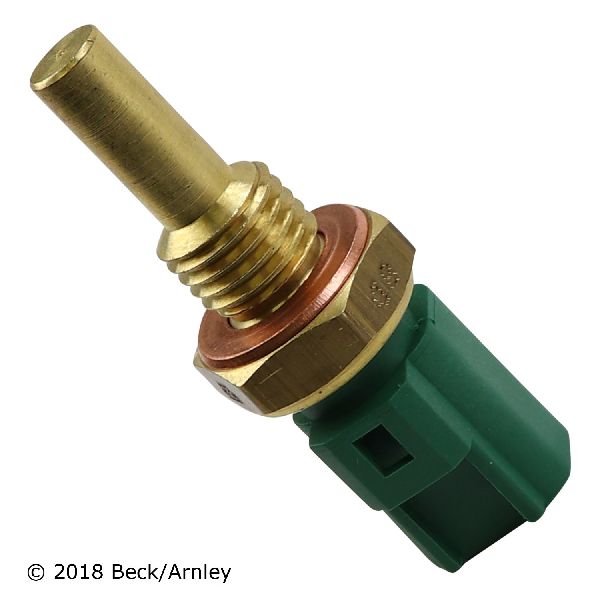
Typically a 2-pin thermistor sensor that screws into the engine block or a coolant passage. Requires a 19mm deep socket for removal and installation.
We Have This Part in Stock


The information in this article is provided for general reference and educational purposes only. Vehicle specifications, procedures, and part compatibility can vary by production date, trim level, and region. Always consult your vehicle's factory service manual and verify part numbers before purchasing or performing repairs. Safety-critical components such as airbags, seat belts, and braking systems should be installed by a qualified professional.
- Toyota Prius: