

A Guide to Replacing Oxygen Sensors on the 2002-2003 Mazda Protege5
Understanding the two different oxygen sensors on your Protege5 and how to choose the right replacement.
- Your Protege5 has two different, non-interchangeable O2 sensors: upstream (for fuel control) and downstream (for catalyst monitoring).
- Always use a 'Direct-Fit' replacement from a quality brand like Denso, NGK, or Bosch to avoid installation and performance issues.
- The common P0421 code can often be caused by a bad downstream O2 sensor, which is much cheaper to replace than the catalytic converter.
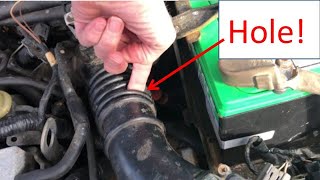
- Before replacing a sensor for a lean code (P0171), inspect the black accordion-style air intake hose for cracks, as this is a common failure point.
Is Your Protege5 Oxygen Sensor Failing?
A bad oxygen sensor is a common issue on the 2.0L engine in the Protege5. When a sensor fails, it sends bad information to the engine computer, leading to noticeable problems. Ignoring these signs can lead to more expensive repairs, like a damaged catalytic converter.
Common Symptoms of Failure:
- Check Engine Light: This is the most common sign. A steady light for codes like P0134 (no sensor activity) or P0421 (catalyst efficiency) points to a sensor issue. A flashing check engine light is more serious, indicating a misfire that can quickly destroy your catalytic converter. You should pull over and limit driving if the light is flashing.
- Worse Gas Mileage: If the upstream sensor fails, it often causes the engine to run 'rich,' meaning it uses too much fuel. This will cause a noticeable drop in your MPG.
- Rough Idle and Poor Performance: Your engine may idle erratically, hesitate when you accelerate, or even misfire because the air-fuel mixture is wrong.
- Failed Emissions Test: Your car will not pass a smog check with a bad oxygen sensor and an active Check Engine Light.
A Note on Code P0421
The code P0421 (Warm Up Catalyst Efficiency Below Threshold) is extremely common on these cars. While it directly blames the catalytic converter, it can often be triggered by a lazy or failing downstream oxygen sensor. Many owners replace the downstream sensor first to see if it resolves the code before paying for a costly new catalytic converter.
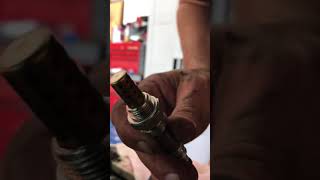
🎬 See how to address a P0421 code without replacing the converter.Choosing the Right Aftermarket Oxygen Sensor
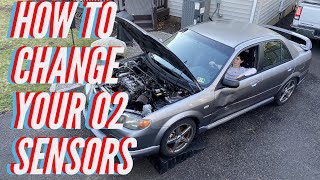
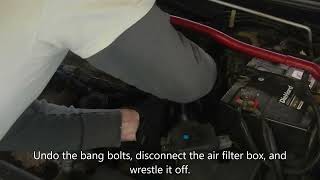
You must correctly identify whether you need the upstream (front) or downstream (rear) sensor, as they are different parts. For a specific trouble code, like P0134 (Bank 1, Sensor 1), you need the upstream sensor. 🎬 Watch this step-by-step guide to replacing your upstream sensor. For a P0421 code, the downstream sensor is a common starting point. When shopping for a replacement, you'll find several brands.
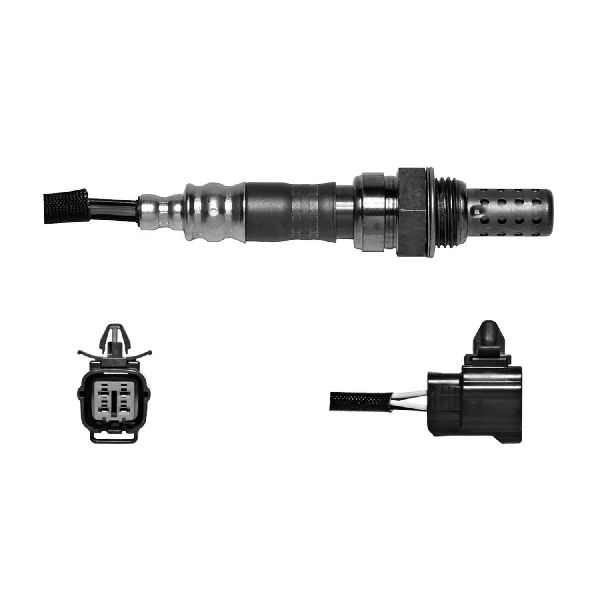
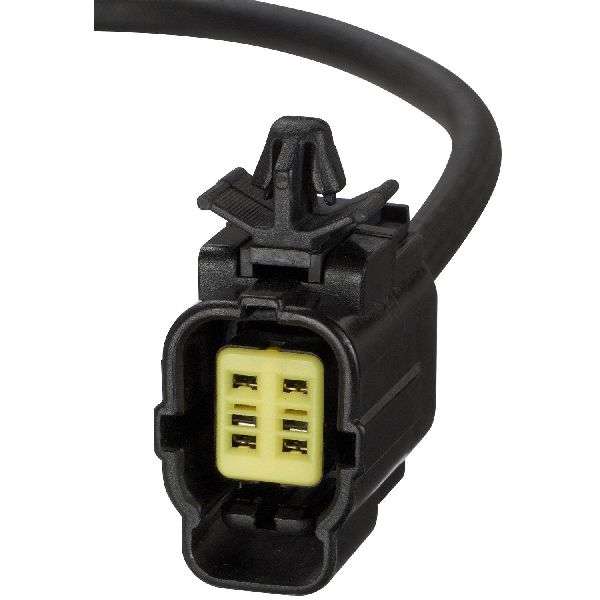
Pro Tip: Always choose a 'Direct-Fit' sensor. These come with the correct plug for your Protege5 and require no wire cutting. 'Universal' sensors are cheaper but require you to splice the old connector onto the new sensor, which can lead to connection problems.
Brand Quality Tiers
- OEM-Equivalent (Best Quality): Brands like Denso and NGK/NTK are often the original equipment manufacturers for Mazda. Choosing one of these is the safest bet for performance and longevity that matches the original part. Denso part numbers for the Protege5 are widely referenced as 234-4721 (Upstream) and 234-4752 (Downstream).
- Quality Aftermarket: Bosch is a well-regarded aftermarket brand that offers direct-fit sensors for this vehicle and is a reliable alternative to OEM.
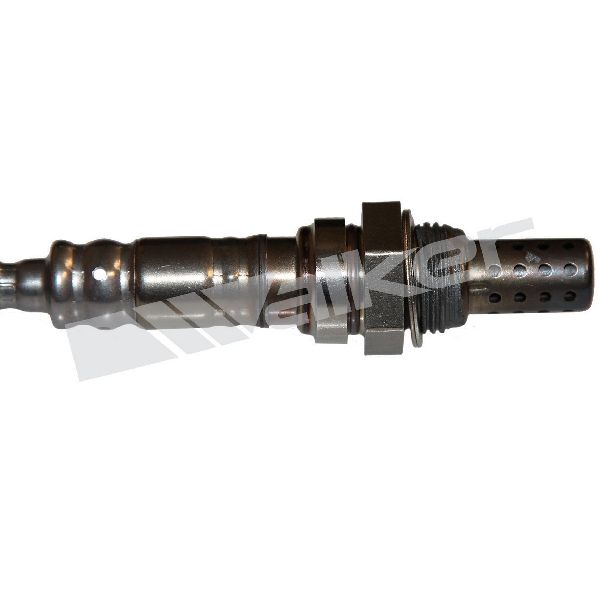
- Economy Brands: Brands like Spectra, Walker Products, and DriveWire offer a more budget-friendly option. They can be a good choice if cost is the primary concern, but their lifespan and performance may not match the higher-tier brands.
Estimated Replacement Costs
| Part Type | Estimated Cost |
|---|---|
| New OEM-Equivalent Sensor (Denso, NGK) | $65 - $155 |
| New Aftermarket Sensor (Bosch, Spectra, etc.) | $25 - $90 |
| Shop Labor | $80 - $150 |
Cost estimates are approximate and can vary by location and supplier.
Frequently Asked Questions
How many oxygen sensors does my 2002-2003 Protege5 have?
Your Protege5 has two oxygen sensors on its single exhaust bank: one upstream (front) and one downstream (rear).
What is the difference between the upstream and downstream sensor?
The upstream sensor (also called Sensor 1) reads the raw exhaust from the engine and is the primary sensor used to control the air-fuel mixture. The downstream sensor (Sensor 2) is located after the catalytic converter and only measures the converter's performance. They are not interchangeable.
Can I just clean my old oxygen sensor?
Some forum members report temporary success by cleaning the sensor with carburetor cleaner, especially for the downstream sensor. However, this is not a reliable or long-term fix. O2 sensors fail due to internal degradation of their sensing elements or heater circuits, which cleaning cannot repair. Replacement is the only guaranteed solution.
What tools do I need to replace an oxygen sensor?
You will typically need a specific tool called an O2 sensor socket, which is a socket with a slot for the wire to pass through. You will also need a ratchet and potentially a breaker bar or penetrating oil, as the sensors are often seized in the hot exhaust pipe and can be very difficult to remove. Always apply anti-seize compound to the threads of the new sensor before installation.
My car has a P0171 (System Too Lean) code. Is it the O2 sensor?
While a faulty O2 sensor can cause a P0171 code, a very common cause on the Protege5 is a torn or cracked air intake hose located between the mass air flow (MAF) sensor and the throttle body. Inspect this hose carefully for leaks before replacing the oxygen sensor.
🎬 Watch how to inspect and fix a cracked air intake hose.Helpful Videos
Technical Specifications
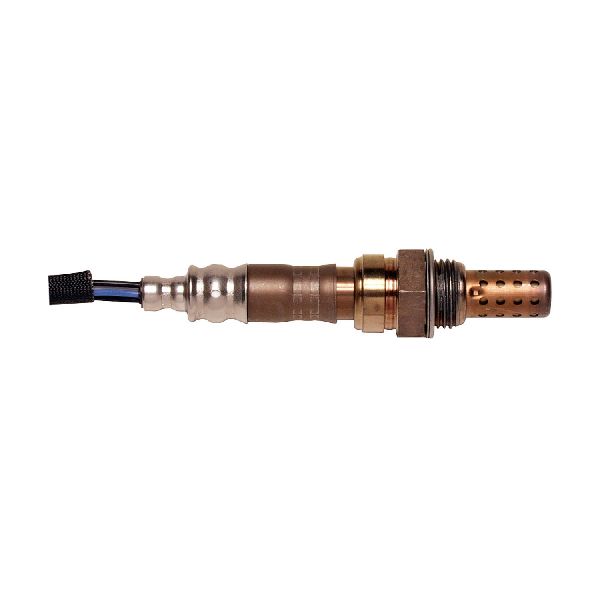
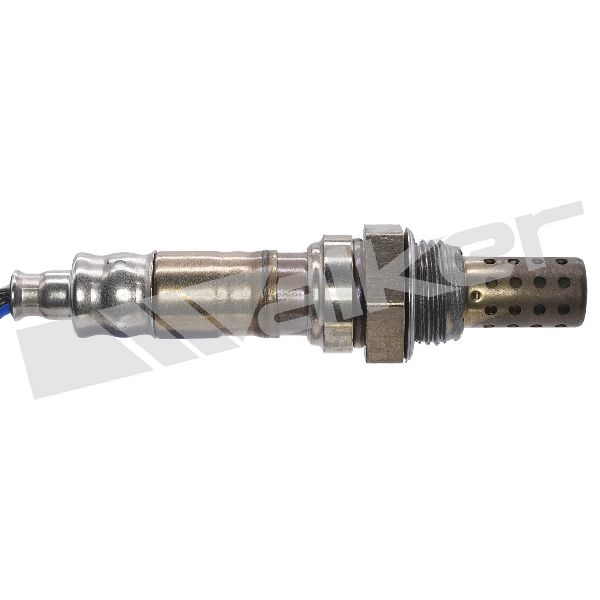
OEM Part Numbers: 234-4721 (Upstream) 234-4752 (Downstream)
The 2002-2003 Mazda Protege5 uses two heated, 4-wire oxygen sensors. The upstream sensor is a wide-band air-fuel ratio sensor, while the downstream is a narrow-band sensor. Both use a threaded M18x1.5 mounting style.
We Have This Part in Stock


The information in this article is provided for general reference and educational purposes only. Vehicle specifications, procedures, and part compatibility can vary by production date, trim level, and region. Always consult your vehicle's factory service manual and verify part numbers before purchasing or performing repairs. Safety-critical components such as airbags, seat belts, and braking systems should be installed by a qualified professional.
- Mazda Protege5: