

Isuzu Axiom Engine Coolant Temperature Sensor Guide (2002-2004)
A complete guide to understanding, diagnosing, and replacing the engine coolant temperature sensor on your 3.5L V6 Axiom.
- A bad ECT sensor on the Axiom commonly causes poor fuel economy, a rough idle, and a Check Engine Light with codes like P0117 or P0118.
- The sensor is located in the coolant crossover pipe at the front of the 3.5L V6 engine, making it an easy DIY replacement.
- Ignoring symptoms can lead to engine overheating, which can cause catastrophic damage.
- Quality aftermarket brands like Delphi, NGK, and Standard Ignition offer a reliable and cost-effective alternative to a potentially very expensive OEM part.
Is your Axiom's Engine Acting Up? It Could Be the Coolant Temp Sensor.
If you're experiencing issues like poor fuel economy, a rough idle, or an engine that's hard to start, a faulty Engine Coolant Temperature (ECT) sensor could be the culprit. This sensor plays a crucial role in how your Axiom's 3.5L V6 engine runs. When it fails, it sends incorrect information to the engine's computer, leading to a variety of performance problems. Replacing it is a straightforward job that can restore your vehicle's performance and efficiency.
Symptoms of a Failing ECT Sensor
A bad ECT sensor can make your vehicle's computer think the engine is hot when it's cold, or cold when it's hot. This confusion leads to noticeable symptoms:
🎬 Watch: Most common symptoms of a failing ECT sensor- Poor Fuel Economy: If the sensor incorrectly tells the computer the engine is cold, the computer will enrich the fuel mixture, causing you to use more gas than necessary.
- Check Engine Light: A faulty sensor will often trigger a Check Engine Light. Common trouble codes include P0115, P0117 (Circuit Low), and P0118 (Circuit High).
- Rough Idle or Stalling: An incorrect fuel mixture can cause the engine to run rough, vibrate, or even stall at low speeds.
- Engine Overheating: If the sensor fails to report that the engine is hot, the electric cooling fans may not turn on when needed, leading to overheating.
- Black Smoke from Exhaust: A very rich fuel mixture, caused by a sensor that's stuck reading "cold," can result in unburned fuel igniting in the exhaust, producing black smoke.
- Hard Starting: When the engine is cold, the computer relies on the ECT sensor for the correct starting fuel mixture. A bad reading can make the engine difficult to start.
Do Not Ignore an Overheating Engine
If your temperature gauge is in the red or you see a warning light, pull over and shut off the engine as soon as it is safe to do so. Driving an overheating engine can cause severe and expensive damage, like a warped cylinder head or blown head gasket.
Choosing the Right Aftermarket Sensor
For the 2002-2004 Isuzu Axiom, you have several aftermarket brands to choose from. They can generally be grouped into tiers based on reputation for quality and whether they are original equipment (OE) suppliers.
| Brand Tier | Brands | Why Choose? |
|---|---|---|
| Tier 1: OE-Equivalent | Delphi, NGK | These brands are often the original equipment manufacturer for many automakers. They offer the highest likelihood of perfect fit, function, and longevity. Beck Arnley is also a strong choice, as they often source their parts directly from the OE supplier. |
| Tier 2: Quality Aftermarket | Standard Ignition (SMP), Walker Products, Holstein | These are reputable aftermarket brands known for producing reliable parts that meet or exceed OE specifications. They provide a great balance of quality and value. |
| Tier 3: Budget-Friendly | Facet, Four Seasons, Global Parts, True Tech | These brands offer a cost-effective solution to get your vehicle back on the road. While they are designed to be direct-fit replacements, their long-term durability and sensor accuracy may not match the higher-tiered brands. |
Installation: A DIY-Friendly Job
Replacing the ECT sensor on the Axiom is a relatively simple task for a DIY mechanic. The sensor is located in the coolant crossover pipe at the front of the engine, making it fairly accessible.
- Let the Engine Cool: Never work on a hot cooling system. Let the vehicle sit for several hours until the engine is cool to the touch.
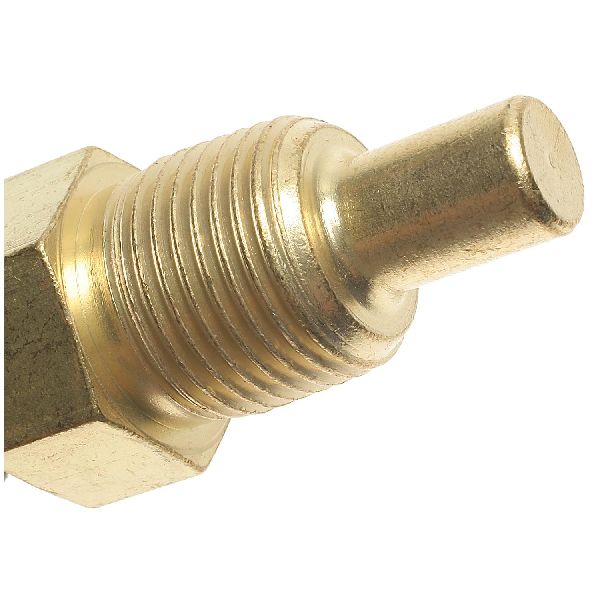
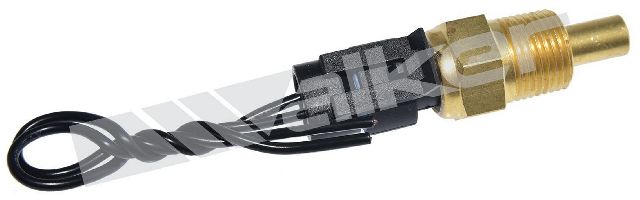
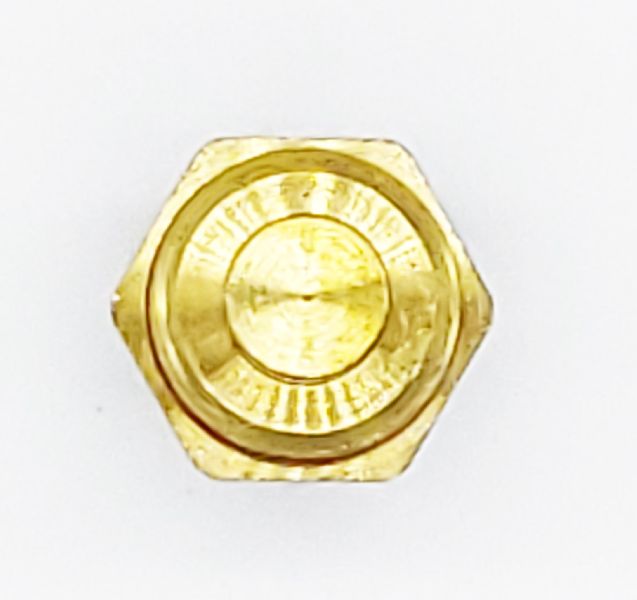
- Locate the Sensor: Find the coolant crossover pipe at the front of the 3.5L V6 engine. The ECT sensor is a small, threaded component with an electrical connector.
- Prepare for a Small Spill: Place a rag or a small pan underneath the sensor to catch any coolant that drips out.
- Disconnect and Remove: Unplug the electrical connector. Using a deep socket or wrench, carefully unscrew the old sensor.
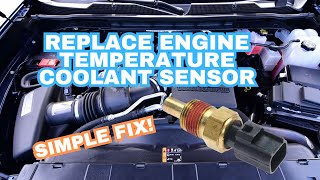
- Install the New Sensor: Screw the new sensor in by hand first to avoid cross-threading, then tighten it snugly with your wrench. Do not overtighten. Reconnect the electrical plug. 🎬 See this simple walkthrough for replacing your temperature sensor
- Top Off Coolant: Check your coolant level in the reservoir and radiator, and top it off with the correct type of coolant if necessary.
Pro Tip: Quick Swap
If you're quick, you can minimize coolant loss. Have the new sensor ready to screw in immediately after you remove the old one. You will likely lose only a few ounces of coolant.
Frequently Asked Questions (FAQ)
Can I drive my Axiom with a bad coolant temperature sensor?
It is not recommended. While you may be able to drive for short distances, a bad sensor can cause poor fuel economy, rough running, and potentially lead to engine overheating if the cooling fans don't operate correctly. It's best to get it replaced as soon as possible to avoid further issues.
Why is the OEM sensor so expensive?
Some data sources show an extremely high price for the original Isuzu sensor, potentially over $300. This is unusual and may indicate the part is discontinued and rare, or the data may be inaccurate. Given that quality aftermarket replacements are available for a fraction of that cost, an aftermarket sensor is the most practical and economical choice for this repair.
Is there more than one temperature sensor?
Some vehicles have two sensors: one for the ECU (this part) and a separate one for the temperature gauge on your dashboard. On the Axiom, a failure of this single ECT sensor can affect both engine performance and potentially the gauge reading.
Do I need to flush my coolant when replacing the sensor?
No, a full flush is not required just to change the sensor. You will only lose a small amount of coolant. However, if your coolant is old (more than 5 years) or looks dirty and rusty, this is a good opportunity to perform a cooling system flush.
Helpful Videos


Technical Specifications
OEM Part Numbers: 8-97125601-1
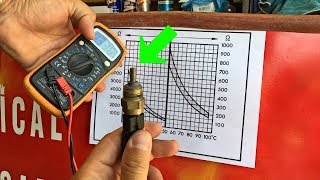
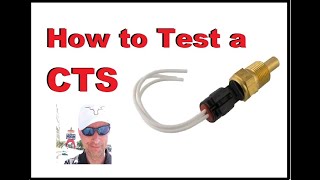
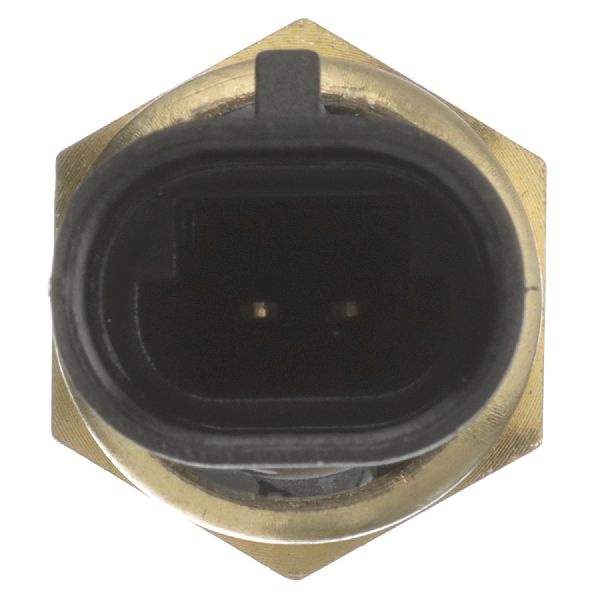
The sensor is located in the coolant crossover pipe at the front of the engine. It is a two-wire thermistor that measures coolant temperature and sends a variable voltage signal to the ECU.
We Have This Part in Stock



The information in this article is provided for general reference and educational purposes only. Vehicle specifications, procedures, and part compatibility can vary by production date, trim level, and region. Always consult your vehicle's factory service manual and verify part numbers before purchasing or performing repairs. Safety-critical components such as airbags, seat belts, and braking systems should be installed by a qualified professional.
- Isuzu Axiom:
- 🎬 Helpful Videos
- 🛍️ Shop This Part
- Is your Axiom's Engine Acting Up? It Could Be the Coolant Temp Sensor.
- Symptoms of a Failing ECT Sensor
- Do Not Ignore an Overheating Engine
- Choosing the Right Aftermarket Sensor
- Installation: A DIY-Friendly Job
- Pro Tip: Quick Swap
- Frequently Asked Questions (FAQ)
- 🎟️ Get 5% Off