

Hyundai XG350 Spark Plug Guide (2002-2005): Choosing the Right Replacement
Everything an owner needs to know before replacing the spark plugs on their 2002-2005 Hyundai XG350.
- Replacing the three rear spark plugs is very difficult and labor-intensive, requiring removal of the intake manifold.
- Due to the high labor cost, use high-quality Iridium or Double Platinum plugs from brands like NGK or Denso for maximum longevity.
- Symptoms of failure include rough idle, engine misfires, poor acceleration, and reduced fuel economy.
- It is highly recommended to replace the spark plug wires and intake manifold gaskets at the same time as the spark plugs.
Signs of Failing Spark Plugs
When your XG350's spark plugs are wearing out, you'll notice it. The engine won't run as smoothly as it should. Look for these common symptoms:
- Rough Idling: The engine may shake or vibrate more than usual when you're stopped.
- Engine Misfires: You might feel a stutter or hesitation from the engine, especially when accelerating. This can also trigger the Check Engine Light. 🎬 See how a cylinder misfire is diagnosed on an XG350.
- Poor Acceleration: The car may feel sluggish and slow to respond when you press the gas pedal.
- Reduced Fuel Economy: Worn plugs can cause inefficient fuel burning, making you visit the gas station more often.
- Difficulty Starting: If the plugs are very worn, the engine may take longer to start or fail to start at all.
The Challenge of the Rear Plugs
The 2002-2005 Hyundai XG350 has a 3.5L V6 engine. This means there are six spark plugs. Three are on the front of the engine and are easy to access. However, the three on the rear bank (cylinders 1, 3, and 5) are located against the firewall, underneath the upper intake manifold. Replacing these rear plugs is a difficult job that requires removing the manifold. 🎬 Watch a demonstration of the intake manifold removal process. Because of this high labor cost, it is critical to use high-quality, long-lasting plugs to avoid doing the job again soon.
Choosing the Right Aftermarket Spark Plugs
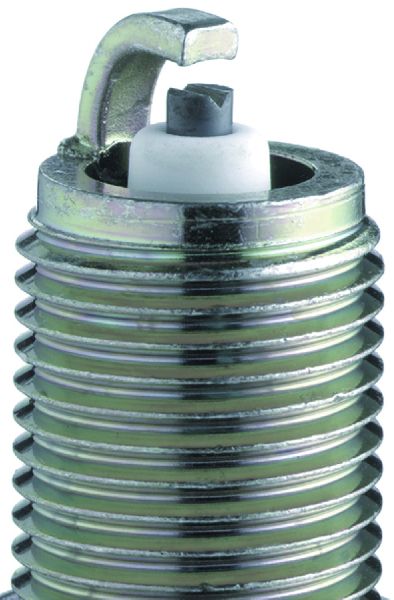
When shopping for spark plugs for your XG350, you'll see different types, mainly based on the material of the electrode tip. The original equipment (OEM) plugs were often platinum or iridium types for longevity.
Brand Tiers for the XG350
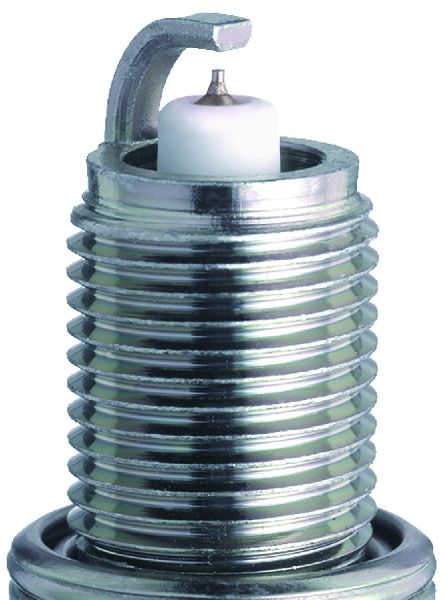
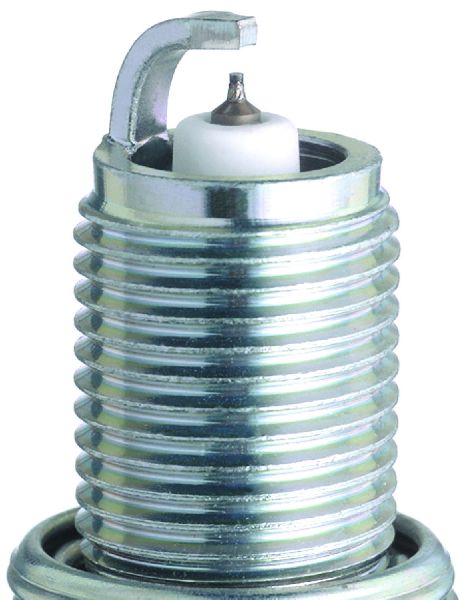
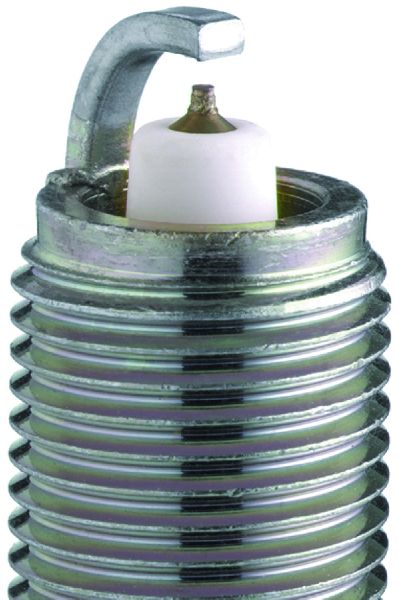
- Top Tier (OEM-Equivalent): NGK and Denso are well-regarded as original equipment suppliers for many Asian vehicles, including Hyundai. Choosing an Iridium or Double Platinum plug from NGK or Denso is the safest bet for performance and longevity that meets or exceeds the original factory part. Given the difficult labor for the rear plugs, these are highly recommended.
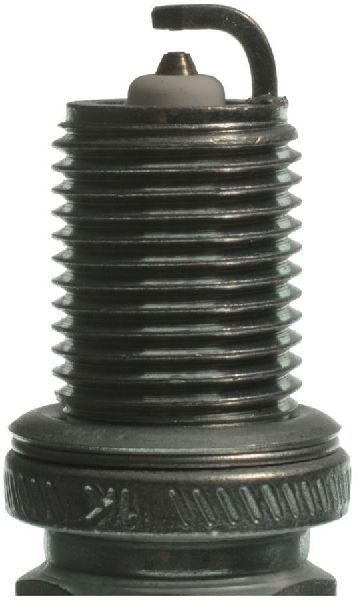
- Mid-Grade (Reliable Aftermarket): Bosch and Champion offer good quality platinum and double platinum plugs that are a solid choice. They provide reliable performance and are a good value, often priced lower than the top-tier brands.
- Economy (Standard Replacement): Autolite and basic copper or nickel plugs from other brands are the most affordable. While they work perfectly well, they have a much shorter lifespan. These are not recommended for the XG350's rear bank due to the high labor cost of replacement.
Pro Tip: Replace in Sets
Always replace all six spark plugs at the same time. This ensures even performance across all cylinders. Also, because the rear plugs are so hard to get to, it's a good idea to replace the spark plug wires 🎬 Watch this walkthrough for removing the spark plugs and wires. and the upper intake manifold gaskets at the same time.
Cost to Replace Spark Plugs on a 2002-2005 Hyundai XG350
| Item | Estimated Cost |
|---|---|
| Aftermarket Spark Plugs (Set of 6) | $21 - $128 |
| Shop Labor Cost | $421 - $534 |
| Total Cost (Professional) | $442 - $662 |
Note: Labor costs are significantly higher than for many other vehicles due to the need to remove the intake manifold to access the three rear spark plugs.
Frequently Asked Questions
How often should I change the spark plugs?
For the XG350, if using high-quality Iridium or Double Platinum plugs, a replacement interval of 60,000 to 90,000 miles is typical. If using standard copper or single platinum plugs, the interval is much shorter, around 30,000 miles. Given the labor involved, long-life plugs are the smart choice.
Is this a DIY job?
Replacing the three front spark plugs is easy for a DIY mechanic. However, replacing the three rear plugs is a difficult and time-consuming job (rated 4/5 difficulty) because the upper intake manifold must be removed. This is not recommended for beginners.
What is a 'wasted spark' system?
The XG350's 3.5L V6 uses a wasted spark ignition system. It has only three ignition coils, mounted on the front spark plugs. Each coil fires two spark plugs at the same time—one on the front bank and its companion on the rear bank. This is an efficient design but means a single failing coil will cause a misfire on two cylinders.
Do I need to gap the new spark plugs?
Most premium Iridium and Platinum spark plugs come pre-gapped from the factory and should not be adjusted, as you can easily damage the fine tip. Always check the product box and verify the part number is correct for your XG350 to ensure the gap is right. The standard gap is typically 1.0-1.1mm (0.039-0.043 in).
Helpful Videos



Technical Specifications
OEM Part Numbers: 27410-37100 18817-11051 18826-11101
Engine: 3.5L V6. Quantity required: 6. Spark Plug Socket Size: 5/8" or 16mm. Recommended Gap: 1.0-1.1mm (0.039-0.043 in).
We Have This Part in Stock


The information in this article is provided for general reference and educational purposes only. Vehicle specifications, procedures, and part compatibility can vary by production date, trim level, and region. Always consult your vehicle's factory service manual and verify part numbers before purchasing or performing repairs. Safety-critical components such as airbags, seat belts, and braking systems should be installed by a qualified professional.
- Hyundai XG350: