

Choosing the Right Aftermarket Brake Pads for Your 2002-2006 Acura RSX
Stop guessing and find the perfect brake pads for your RSX, whether it's a Base model or a Type-S.
- Verify if you have a Base or Type-S model before buying; the front pads are different, but the rears are the same.
- Choose pads based on your driving style: quiet ceramics for daily driving or performance-oriented pads like Hawk HPS for spirited driving.
- Replacing pads is a manageable DIY job, but you need a special tool for the rear calipers to retract the piston.
- For best results, always consider replacing rotors with your pads, and always follow the manufacturer's break-in procedure.
Signs Your RSX Needs New Brake Pads
Worn-out brake pads aren't just a maintenance issue; they're a safety hazard. Your RSX will give you several warning signs when it's time for a replacement.
- High-Pitched Squealing: Most brake pads have a small metal tab called a wear indicator. When the pad material wears down, this tab scrapes against the rotor, creating a loud squeal when you brake. This is the earliest warning sign.
- Grinding Noises: If you hear a deep, metallic grinding sound, it means the pad material is completely gone. The metal backing plate of the pad is now grinding against the rotor, causing severe damage and significantly reducing your stopping power. Stop driving immediately if you hear this.
- Spongy or Soft Brake Pedal: If the pedal feels less firm than usual or sinks closer to the floor, it could indicate worn pads or issues with the brake fluid.
- Longer Stopping Distances: If you notice your car takes longer to stop than it used to, your pads are likely worn and can't create enough friction.
- Visible Thinness: You can sometimes see the brake pad through the wheel. New pads are about 10mm thick. If they look less than 3mm (about the thickness of two credit cards), it's time for a change.
Choosing Aftermarket Pads: Base vs. Type-S
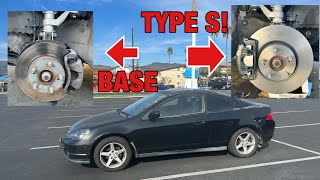
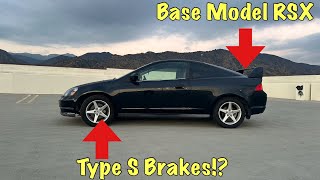
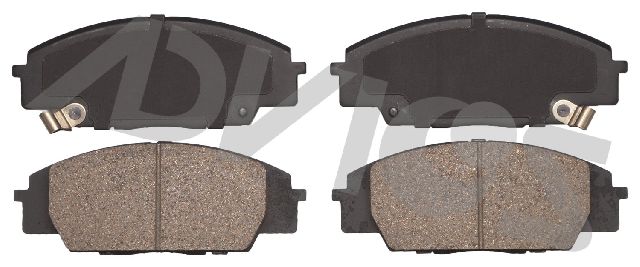
A critical first step is knowing which RSX you own. The Base model and the performance-oriented Type-S use different front brake pads and rotors, though the rear brakes are the same. The Type-S has larger front rotors (300mm vs. 262mm) and corresponding larger calipers and pads to handle more aggressive driving and heat. Using Base model pads on a Type-S (or vice-versa) is not possible without changing the calipers and rotors.
🎬 See how to upgrade a Base model with Type-S brakes.OEM vs. Aftermarket Quality
Acura's Original Equipment Manufacturer (OEM) pads are a great baseline. They are designed for quiet operation, low dust, and reliable stopping for a daily driver. However, the aftermarket offers a massive range of options. For an RSX, which many owners drive enthusiastically, aftermarket pads can provide significant performance gains in bite and fade resistance. Brands like Akebono are known to be OEM suppliers and offer similar quality, often with less dust. Other brands like Hawk, EBC, and StopTech are popular for performance upgrades.
A Tiered Approach to Aftermarket Brands
With so many brands available, it's best to choose based on your driving style and budget.
Tier 1: Daily Driver & OEM-Style Replacement
These pads are perfect if you just want quiet, reliable stopping for your commute with low dust. They offer performance similar to or slightly better than the original factory pads.
- Akebono: Often an OEM supplier, known for excellent quality, low dust, and quiet operation. A top choice for an OEM-equivalent experience.
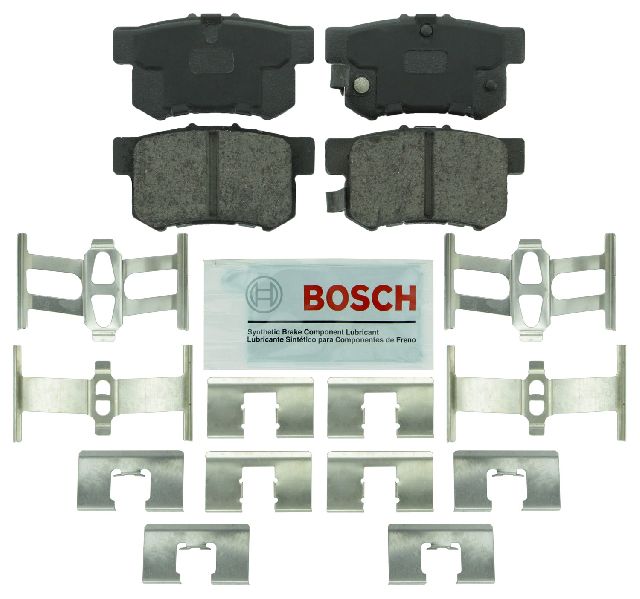
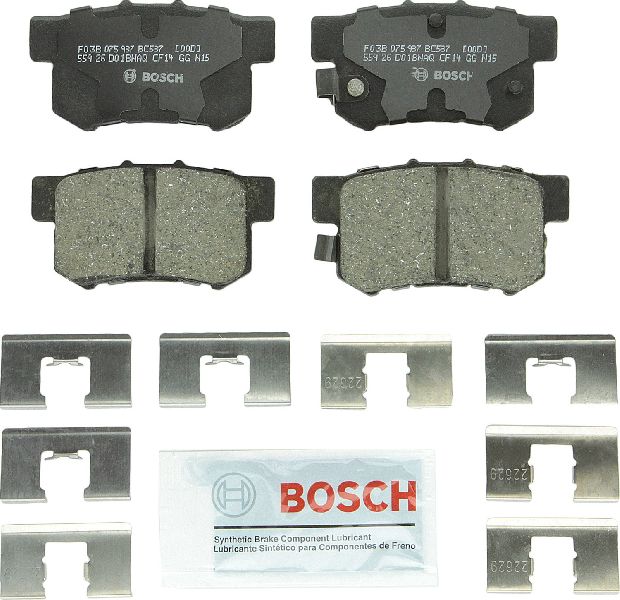
- Bosch QuietCast: A popular premium ceramic option known for being very quiet and low-dust.
- Wagner ThermoQuiet / OEX: A well-regarded brand offering ceramic pads that focus on quietness and consistent performance.
- Centric / Raybestos: Solid, affordable choices that meet or exceed OEM specifications for daily use.
Tier 2: Performance Street / Spirited Driving
For the owner who enjoys spirited canyon drives or the occasional autocross day. These pads offer more initial bite and better resistance to brake fade at high temperatures. The trade-off is typically more brake dust and a higher chance of noise.
- Hawk HPS / HPS 5.0: A long-time favorite among RSX owners. They offer a great balance of increased stopping power, reasonable dust levels, and good wear life, without needing to be warmed up.
- EBC Greenstuff / Redstuff: EBC's color-coded system makes choices easy. Greenstuff is a fast street pad. Redstuff is a ceramic pad designed for lower dust with high performance, but it's not recommended for track use.
- StopTech Street: A strong competitor to Hawk HPS, known for good performance and a smooth, predictable feel.
- PowerStop Z23 / Z26: Often sold in kits with rotors, these carbon-fiber ceramic pads are a popular all-in-one upgrade for daily driving and performance use.
Tier 3: Autocross & Track Use
These are for dedicated track cars or serious autocross competitors. They have very high heat tolerance but are not suitable for the street. They are noisy, create massive amounts of dust, and have poor performance when cold.
- Hawk HP+ / Blue 9012: HP+ offers a very aggressive bite. Blue 9012 is an endurance race compound. Both require heat to work properly and are not for daily driving.
- EBC Yellowstuff / Bluestuff: Yellowstuff is a popular entry-level track pad that can be used on the street, but it's dusty and requires a specific break-in procedure. Bluestuff is a more dedicated track compound.
A Note on Drilled & Slotted Rotors
While often paired with performance pads, drilled and slotted rotors are generally not necessary for a street-driven RSX. For most users, quality blank rotors from brands like Brembo, Centric, or Raybestos are more than sufficient and less prone to cracking under heavy use.
Known Issues, Recalls, and TSBs
The 2002-2006 Acura RSX has been very reliable regarding its braking system. Searches for recalls on NHTSA for this specific model and part show no major issues. Most reported problems are related to normal wear and tear or incorrect installation, such as seized caliper slide pins or improper alignment of the rear caliper piston, which can cause pads to seize.
Cost to Replace Acura RSX Brake Pads
Here is a general breakdown of what you can expect to pay. Prices vary based on brand, location, and whether you do the work yourself.
| Part / Service | Estimated Cost |
|---|---|
| Aftermarket Pad Set (Front or Rear) | $25 - $150 |
| OEM Pad Set (Front or Rear) | $65 - $95 |
| Shop Labor (per axle) | $100 - $200 |
| DIY Total (Pads Only, per axle) | $25 - $150 |
| Shop Total (Pads Only, per axle) | $125 - $350 |
Frequently Asked Questions
Do I need to replace my rotors with my pads?
It is highly recommended. If your rotors are smooth, within the minimum thickness specification, and not warped, you can sometimes install new pads on them. However, for best performance and to ensure the new pads bed-in correctly, installing new pads and rotors at the same time is the best practice. Grinding noises always mean you need new rotors.
What's the difference between ceramic and semi-metallic pads?
Ceramic pads are known for being quiet and producing very little light-colored dust (e.g., Akebono, Bosch QuietCast). They offer smooth, consistent braking. Semi-metallic pads (like many performance pads) offer better bite and heat dissipation but are generally noisier and produce more dark, noticeable dust. The RSX came with ceramic pads from the factory.
What is the break-in or "bedding" process?
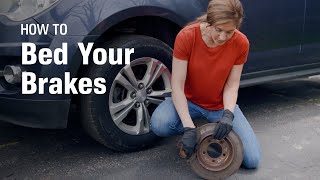
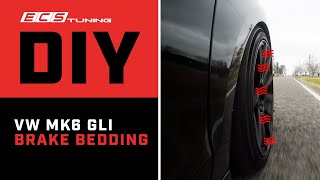
Bedding-in is the process of transferring a thin, even layer of friction material from the new pads onto the rotor surface. This is crucial for smooth, powerful, and quiet braking. Most performance pad manufacturers provide a specific procedure, which usually involves a series of hard stops from various speeds with cooling periods in between. Following this procedure is essential for getting the most out of your new pads.
🎬 Learn how to properly bed your new pads for performance.Can I install brake pads myself?
Yes, replacing brake pads on an RSX is a common DIY job for those with mechanical experience and the right tools. You will need a jack, jack stands, a socket set, a C-clamp or piston spreader, and a special tool to retract the rear caliper piston, which must be twisted as it's pushed in. If you are not comfortable with the procedure, have a professional mechanic do the work.
🎬 Watch this step-by-step guide for replacing front pads and rotors.Helpful Videos
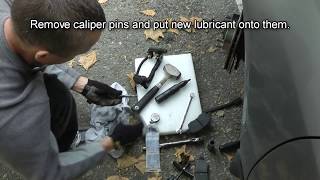
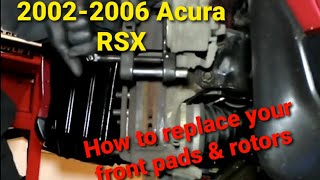
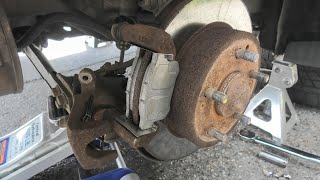
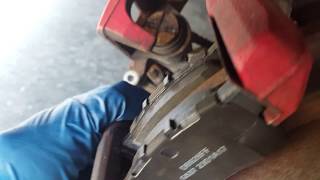
Technical Specifications
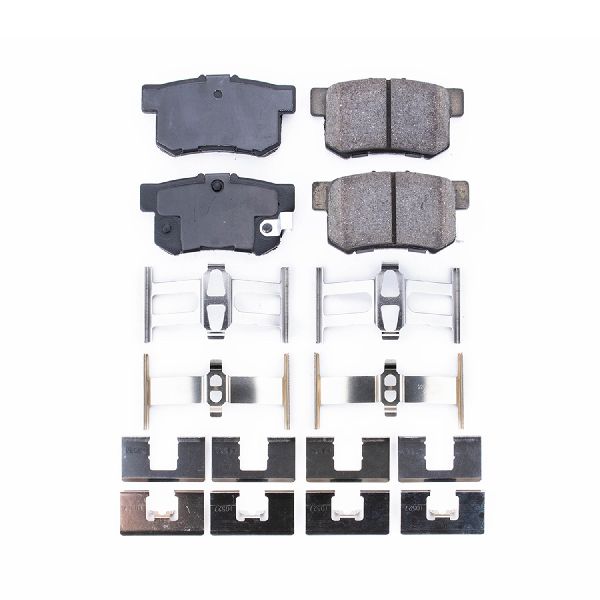
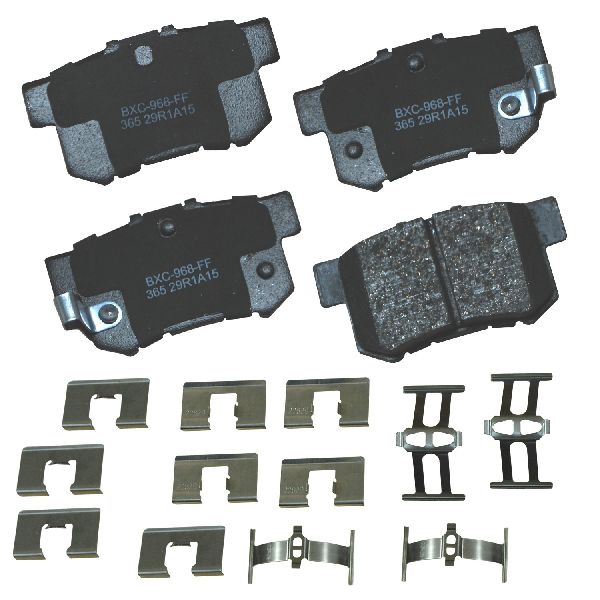
OEM Part Numbers: Front (Base): 45022-S7A-020 (replaces 45022-S7A-000, 45022-S7A-010) Front (Type-S): 45022-S6M-A00 Rear (All Models): 43022-S5A-J02 (replaces 43022-S5A-J00, 43022-S5A-J01)
Front Rotor Size (Base): 262mm. Front Rotor Size (Type-S): 300mm. Rear Rotor Size (All Models): 260mm. New Pad Thickness (Standard): 9.5-10.5 mm. Service Limit: 1.6 mm.
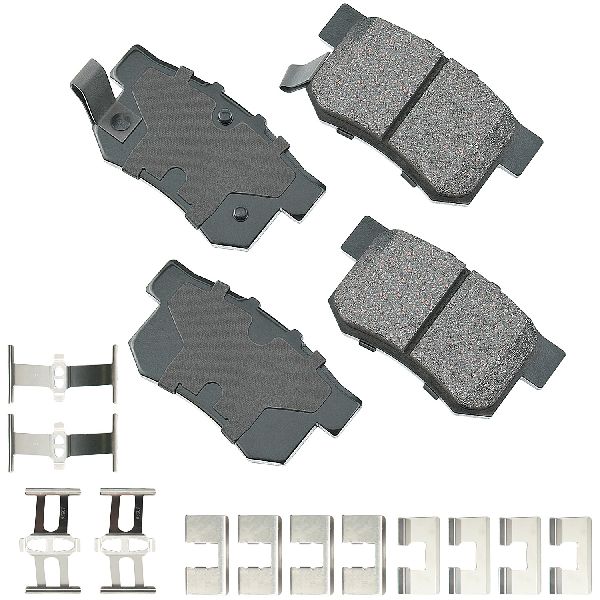
We Have This Part in Stock

The information in this article is provided for general reference and educational purposes only. Vehicle specifications, procedures, and part compatibility can vary by production date, trim level, and region. Always consult your vehicle's factory service manual and verify part numbers before purchasing or performing repairs. Safety-critical components such as airbags, seat belts, and braking systems should be installed by a qualified professional.
- Acura RSX:
- 🎬 Helpful Videos
- 🛍️ Shop This Part
- Signs Your RSX Needs New Brake Pads
- Choosing Aftermarket Pads: Base vs. Type-S
- OEM vs. Aftermarket Quality
- A Tiered Approach to Aftermarket Brands
- Tier 1: Daily Driver & OEM-Style Replacement
- Tier 2: Performance Street / Spirited Driving
- Tier 3: Autocross & Track Use
- A Note on Drilled & Slotted Rotors
- Known Issues, Recalls, and TSBs
- Cost to Replace Acura RSX Brake Pads
- Frequently Asked Questions
- 🎟️ Get 5% Off