

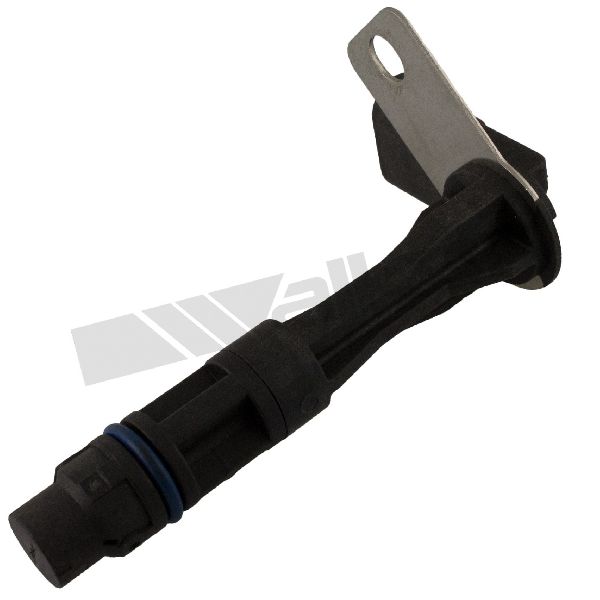
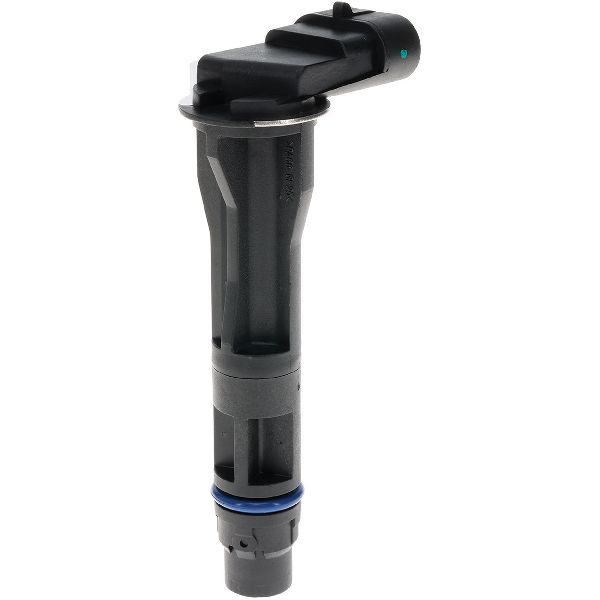
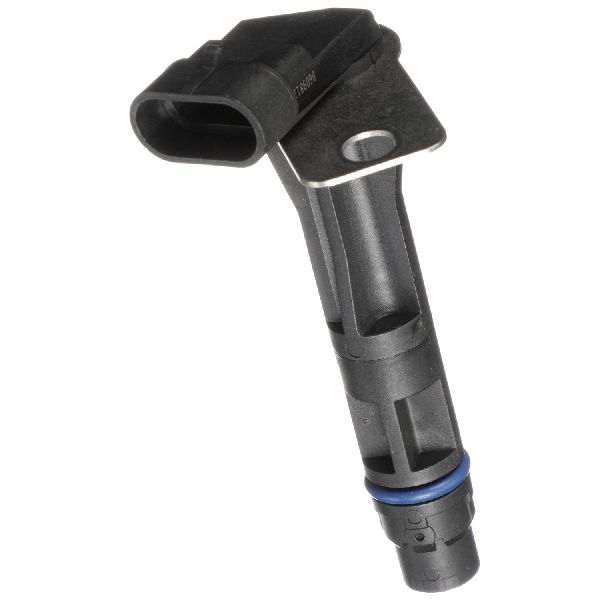
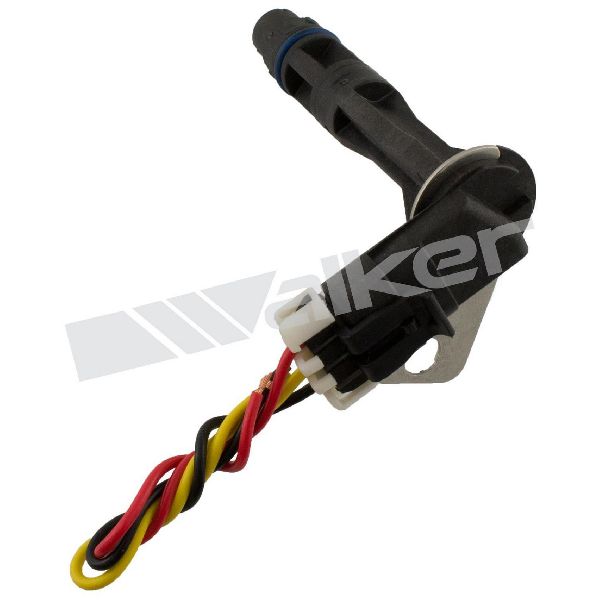
Chevrolet Avalanche 1500 Engine Camshaft Position Sensor (2002-2006)
Fix common stalling, hard starts, and Check Engine Light issues on your Avalanche 1500.
- A failing camshaft sensor on the Avalanche 1500 most commonly causes a Check Engine Light, hard starting, and stalling.
- For critical sensors, it is highly recommended to use an OEM (AC Delco) or OEM-equivalent (Delphi) brand to ensure reliability.
- Replacement is a simple, single-bolt job that is feasible for most DIYers, though access at the back of the engine is tight.
- No computer 'relearn' procedure is needed after replacing the camshaft position sensor.
Is Your Avalanche Stalling or Hard to Start?
If your 2002-2006 Chevrolet Avalanche 1500 is suddenly stalling, taking a long time to start, or running rough, a failing camshaft position sensor is a likely suspect. This small sensor plays a huge role in how your engine runs, and when it fails, it can cause frustrating and potentially unsafe driving conditions. This guide will walk you through the symptoms, how to choose the right aftermarket replacement, and what to expect for the repair.
Symptoms of a Bad Camshaft Position Sensor
A failing camshaft sensor will almost always trigger the Check Engine Light. If you have the code read, you will likely see codes such as P0340, P0341, P0342, or P0343. Beyond the light, you may experience one or more of the following issues:
- Hard Starting / Long Crank: This is a classic symptom. The engine will turn over for several seconds before it finally starts, or it may not start at all.
- Engine Stalling: The engine may shut off unexpectedly while you are driving or while idling at a stoplight. This is a serious safety concern.
- Rough Idle and Misfires: Your truck may idle unevenly or feel like it's shaking. You might also notice the engine sputtering or hesitating.
- Poor Acceleration: A bad sensor signal can cause a noticeable lack of power and sluggish response when you press the gas pedal.
Choosing the Right Aftermarket Sensor: Brand Quality Matters
When replacing a critical electronic part like a camshaft sensor, brand quality is extremely important. Using a low-quality, cheap sensor can lead to it failing prematurely or not working correctly right out of the box, forcing you to do the job twice. Here’s a breakdown of available aftermarket brands.
Aftermarket Brand Tiers
| Tier | Brands | Description |
|---|---|---|
| Tier 1: OEM Equivalent | AC Delco (OEM), Delphi | Delphi was an original parts manufacturer for GM, so their parts are often identical to the AC Delco parts sold at dealerships. For guaranteed performance and reliability, these are the top choices. |
| Tier 2: Trusted Aftermarket | Standard Ignition (SMP), NGK, Walker Products, Holstein | These are well-respected brands known for producing reliable sensors that meet or exceed OE specifications. They offer a great balance of quality and value and are a solid choice for this repair. |
| Tier 3: Economy | URO Parts, True Tech, Global Parts, and other store brands | While these brands offer the lowest price, their quality can be inconsistent for sensitive electronics. They may be a viable option for a budget repair, but be aware of the potential for a shorter lifespan or out-of-box failure. |
Pro Tip: Many professional mechanics recommend using only Tier 1 or Tier 2 brands for camshaft and crankshaft sensors to avoid repeat failures and ensure the vehicle runs correctly.
Cost of Replacing the Camshaft Position Sensor
| Part Type | Estimated Cost |
|---|---|
| New Aftermarket Sensor | $30 - $75 |
| New OEM (AC Delco) Sensor | $40 - $80 |
| Shop Labor | $100 - $150 |
| Total Professional Replacement | $130 - $230 |
Frequently Asked Questions (FAQ)
Where is the camshaft position sensor located on the 2002-2006 Avalanche 1500?
The sensor is located on the top of the engine block, at the very back, behind the intake manifold and slightly to the driver's side of the centerline. It is right next to the oil pressure sensor.
Is this a difficult repair to do myself?
No, this is a very feasible DIY repair. The sensor is held in by a single 10mm bolt. The main challenge is the tight access. You will be working by feel at the back of the engine. It can be done without removing the intake manifold, but access is tight. The job typically takes 30-60 minutes.
Does the new sensor need a 'relearn' procedure?
No, the camshaft position sensor does not require a computer relearn procedure. You can simply install the new sensor, clear the check engine codes, and start the truck. This is often confused with the crankshaft position sensor, which *does* require a relearn procedure on these trucks.
What if I replace the sensor and the problem doesn't go away?
While the sensor itself is the most common cause, the P0340-series codes can also be triggered by wiring issues (damaged wires or a bad connector), or more serious mechanical problems like a stretched timing chain. Always inspect the wiring harness for damage when replacing the sensor. If problems persist, further diagnosis is needed.
Technical Specifications
OEM Part Numbers: 12561211 19420911 12555566 PC278
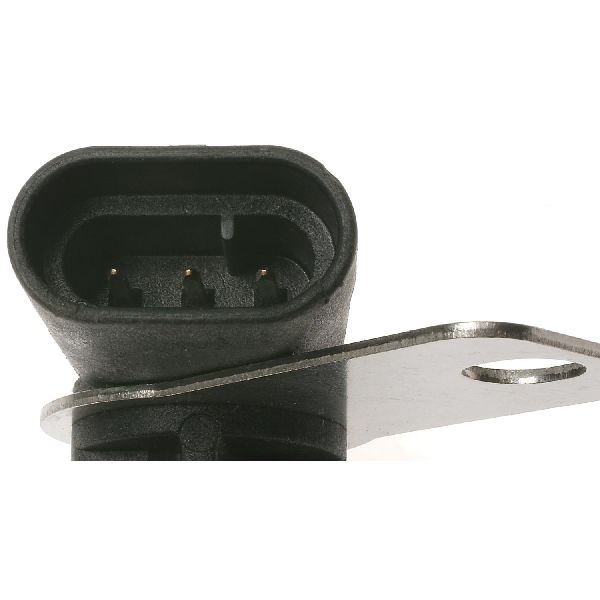
Location: Top rear of engine block, behind intake manifold. Attachment: Single 10mm bolt. Connector: Single oval electrical connector.
We Have This Part in Stock


The information in this article is provided for general reference and educational purposes only. Vehicle specifications, procedures, and part compatibility can vary by production date, trim level, and region. Always consult your vehicle's factory service manual and verify part numbers before purchasing or performing repairs. Safety-critical components such as airbags, seat belts, and braking systems should be installed by a qualified professional.
- Chevrolet Avalanche 1500: