

Choosing the Right Disc Brake Pads for Your 2002-2006 Chevrolet Avalanche 2500
Your heavy-duty truck needs the right stopping power; here's how to choose the best brake pads for the job.
- Choose brake pad material based on your truck's usage: ceramic for daily driving, semi-metallic for heavy towing.
- Symptoms like grinding or a spongy pedal are serious; inspect your brakes immediately.
- For best results and safety, always replace brake rotors when installing new pads.
- Be aware of a potential ABS sensor issue on 2002 models that can cause a stuttering feeling when braking at low speeds.
Signs Your Brake Pads Need Replacing
Worn brake pads can't be ignored. Your truck will give you several warning signs that it's time for a replacement. Ignoring these can lead to more expensive repairs and unsafe driving conditions.
- Squealing or Screeching Noises: Most brake pads have a built-in wear indicator, which is a small metal tab. When the pads wear down, this tab contacts the rotor and makes a high-pitched squealing noise when you apply the brakes. This is an early warning sign.
- Grinding Sounds: If you hear a deep, metallic grinding sound, it means you've completely worn through the pad material. The metal backing plate of the pad is now grinding against the rotor. This is a serious issue that can quickly destroy your rotors. Stop driving and have your brakes inspected immediately.
- Spongy or Soft Brake Pedal: If your brake pedal feels softer than usual or goes closer to the floor, it could indicate a problem in the hydraulic system, possibly related to worn pads or failing calipers. Some owners have reported a spongy brake pedal feel on these trucks, which can sometimes be resolved by bleeding the brakes.
- Vibration or Pulsing: If you feel a vibration in the steering wheel or a pulsing in the brake pedal when you brake, your rotors may be warped. Rotors often get replaced at the same time as the pads.
Choosing the Right Aftermarket Brake Pads
Aftermarket brake pads offer a wide range of options that can meet or exceed the quality of original equipment (OEM) parts, often at a better price. For your Avalanche 2500, the choice often comes down to your primary use for the truck.
Brake Pad Materials: Ceramic vs. Semi-Metallic
For the Avalanche 2500, you'll mainly choose between two types of brake pad materials:
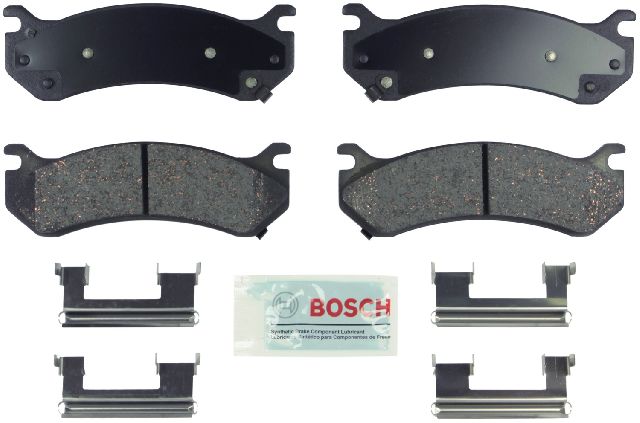
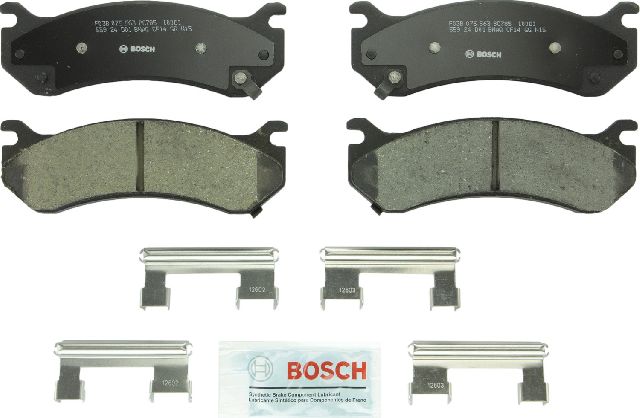
- Ceramic Pads: These are a great choice for daily driving. They are known for being quiet, producing less dust (which keeps your wheels cleaner), and offering smooth, consistent braking. Brands like Akebono and Bosch are well-regarded for their high-quality ceramic pads.
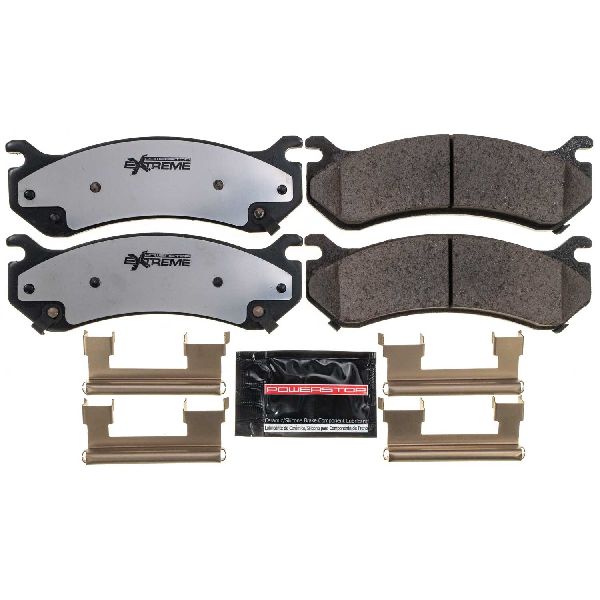
- Semi-Metallic Pads: If you frequently tow, haul heavy loads, or do a lot of stop-and-go driving, semi-metallic pads are often the better option. They are designed for heavy-duty use, dissipate heat more effectively, and provide excellent stopping power under demanding conditions. Brands like Wagner, Raybestos, and PowerStop offer excellent severe-duty and truck-specific semi-metallic options.
Aftermarket Brand Tiers for Your Avalanche 2500
| Tier | Brands | Best For |
|---|---|---|
| Economy | Dynamic Friction, Total Stopping Solutions | Basic, budget-friendly replacements for light use. |
| Daily Driver (OEM Quality) | ACDelco, Bosch, Centric, Raybestos, Wagner | Excellent all-around performance for daily commuting and light hauling. These brands offer quality comparable to or exceeding factory pads. |
| Heavy-Duty / Performance | Powerstop (Truck & Tow), Hawk Performance, EBC Brakes, Brembo, Wagner (SevereDuty) | Trucks used for frequent towing, heavy hauling, or those wanting a significant upgrade in stopping power. These pads are engineered for high heat and stress. |
Known Issues, Recalls, and Service Bulletins
While there are no recalls specifically for the brake pads on the 2002-2006 Avalanche 2500, there are a few related items to be aware of:
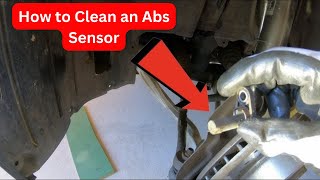
- ABS Activation Recall (2002 models): NHTSA Recall 05V161000 affects some 2002 models. Corrosion can form near the front wheel speed sensor, causing unwanted ABS activation at low speeds (3-10 mph). This can feel like a stutter or resistance in the brake pedal. The fix involves cleaning the sensor area and sometimes replacing the sensor. 🎬 Watch this video to learn how to clean your ABS sensors.
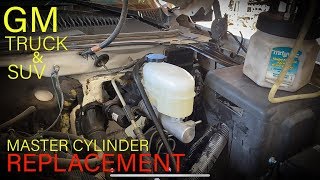
- Spongy Brake Pedal: Some owners have reported a spongy or soft brake pedal feel. This can sometimes be caused by air in the brake lines that needs to be bled out. 🎬 See these expert tips for bleeding brakes and replacing master cylinders.
- Brake Line TSB: GM issued Technical Service Bulletin (TSB) 13-05-22-001, noting the availability of pre-formed brake pipe kits to make replacing rusted or damaged brake lines easier.
- Parking Brake Recall: TSB 05042B addresses an issue where the parking brake shoes could drag, causing premature wear and potential failure.
Pro Tip: Replace Rotors with Pads
It is highly recommended to replace your brake rotors at the same time you replace your pads. A fresh, flat rotor surface ensures your new pads bed-in correctly and provides the best possible stopping performance and longevity. Putting new pads on old, worn, or warped rotors can cause noise, vibration, and reduced effectiveness.
Frequently Asked Questions (FAQ)
Should I get ceramic or semi-metallic pads for my truck?
It depends on how you use your Avalanche 2500. For everyday driving and light loads, ceramic pads offer quiet operation and low dust. If you tow or haul heavy loads regularly, semi-metallic pads are the better choice for their superior heat dissipation and heavy-duty performance.
Do I need to replace front and rear brake pads at the same time?
Not necessarily. Front brake pads typically wear out faster than rear pads because they handle most of the braking force. However, they should always be replaced in pairs (both front wheels or both rear wheels). Some owners have noted faster rear pad wear, so it's important to inspect both axles.
What is a brake pad break-in or bedding procedure?
Bedding-in is the process of transferring a thin, even layer of friction material from the new pads onto the rotors. This is crucial for optimal performance and preventing vibrations. The procedure usually involves a series of controlled stops from moderate speeds. Always follow the specific instructions provided by the pad manufacturer.
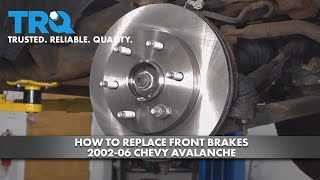
Can I replace brake pads myself? 🎬 Watch this step-by-step guide on replacing your front brake pads.
Yes, replacing brake pads is a common DIY job for those with mechanical experience and the right tools. However, brakes are a critical safety system. If you are not completely confident in your ability to do the job correctly, it is best to have it done by a certified mechanic.
Helpful Videos
Technical Specifications
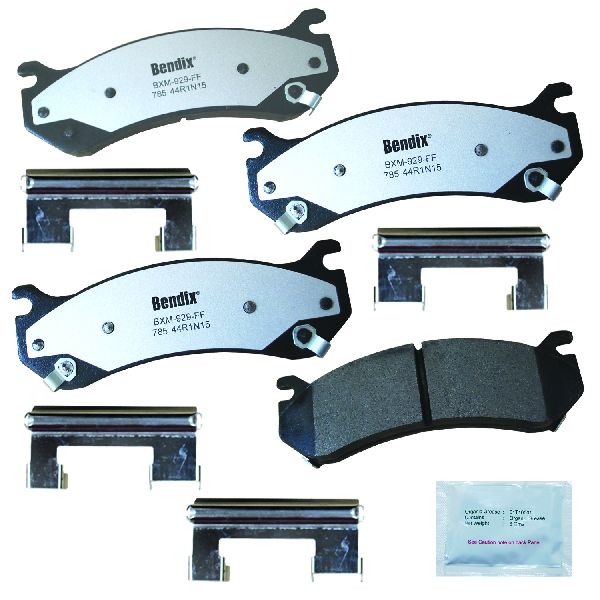
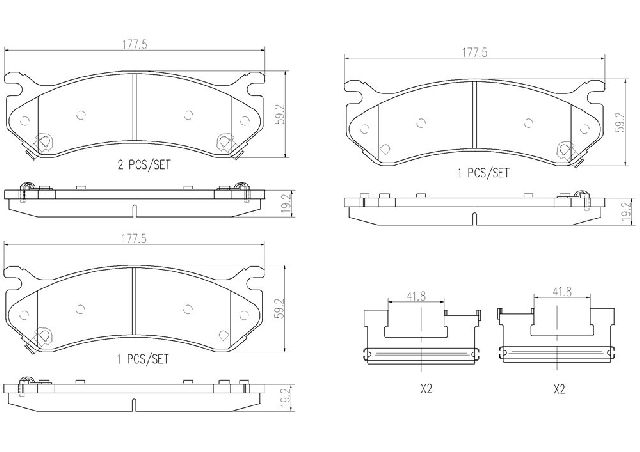
Brake pad replacement is done in pairs for either the front or rear axle. The 2002-2006 Avalanche 2500 uses disc brakes on all four wheels. Pad material (ceramic or semi-metallic) is the primary specification choice for the owner.
We Have This Part in Stock


The information in this article is provided for general reference and educational purposes only. Vehicle specifications, procedures, and part compatibility can vary by production date, trim level, and region. Always consult your vehicle's factory service manual and verify part numbers before purchasing or performing repairs. Safety-critical components such as airbags, seat belts, and braking systems should be installed by a qualified professional.
- Chevrolet Avalanche 2500:
- 🎬 Helpful Videos
- 🛍️ Shop This Part
- Signs Your Brake Pads Need Replacing
- Choosing the Right Aftermarket Brake Pads
- Brake Pad Materials: Ceramic vs. Semi-Metallic
- Aftermarket Brand Tiers for Your Avalanche 2500
- Known Issues, Recalls, and Service Bulletins
- Pro Tip: Replace Rotors with Pads
- Frequently Asked Questions (FAQ)
- 🎟️ Get 5% Off