

Choosing the Best Aftermarket Brake Pads for Your 2002-2006 Ford E-150
Stopping a heavy van like your E-150 requires the right brake pads; here’s how to choose wisely.
- For heavy hauling or towing, choose heavy-duty semi-metallic or specialized carbon-fiber ceramic pads like Powerstop Z36 or Wagner SevereDuty.
- A common issue on E-150s is front rotor warping; always inspect rotors and replace if they are worn or warped when changing pads.
- Daily drivers can get excellent, quiet performance from quality ceramic pads from brands like Bosch, Akebono, or Bendix.
- Symptoms like grinding or a spongy pedal are serious safety issues that require immediate attention.
Signs Your E-150 Needs New Brake Pads
Your van will give you clear signs when the brake pads are wearing out. Ignoring them can lead to more expensive repairs and unsafe driving conditions. Be aware of these common symptoms:
- Squealing or Screeching: This is often the first sign. A small metal tab called a wear indicator makes this noise when the pads are thin.
- Grinding Noise: If you hear a grinding or rumbling sound, it means the pads are completely worn away. This is metal-on-metal contact between the pad backing and the rotor, which is dangerous and damaging.
- Vibration or Pulsing in the Pedal: If the pedal or steering wheel shakes when you brake, it could be a sign of warped rotors, often caused by worn pads creating too much heat.
- Spongy or Soft Brake Pedal: A pedal that feels soft or goes down further than usual can indicate worn pads or other issues like air in the brake lines.
- Pulling to One Side: If the van pulls to the left or right when braking, it could be caused by a stuck caliper or unevenly worn pads.
Choosing the Right Aftermarket Brake Pads
For a 2002-2006 Ford E-150, you have many aftermarket options that can meet or exceed the original factory pads. The best choice depends on your budget and how you use your van. Brake pads are generally made from two types of material: semi-metallic and ceramic.
- Semi-Metallic Pads: These are great for heavy-duty use. They handle heat well and provide strong stopping power, which is ideal for a work van. However, they can be noisier and create more brake dust than ceramic pads.
- Ceramic Pads: These offer quiet operation and low dust, keeping your wheels cleaner. They provide smooth, consistent braking for daily driving but may not be the best choice for very heavy towing.
Pro Tip: Heavy Van, Heavy-Duty Brakes
Your E-150 is a heavy vehicle. If you frequently carry heavy loads or tow a trailer, prioritize heavy-duty or severe-duty semi-metallic pads. Brands like Powerstop's Z36 Truck & Tow or Wagner's SevereDuty line are designed for this kind of work. They offer better resistance to brake fade—a temporary loss of stopping power caused by heat.
Brand Tiers for Your E-150
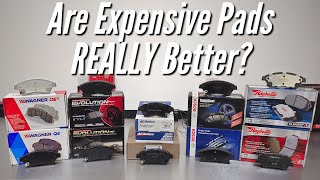
🎬 Watch this comparison to see how different brake brands perform.Here’s a breakdown of available brands to help you decide:
Heavy-Duty & Performance (Best for Towing and Hauling):
- Powerstop (Z36 Truck & Tow): A popular choice for trucks and vans used for towing. These carbon-fiber ceramic pads are engineered for increased stopping power with heavy loads.
- EBC Brakes (Yellowstuff/Orangestuff): Known for high-performance applications, EBC offers pads that provide excellent bite and heat resistance, though they can be more expensive.
- Wagner (SevereDuty): A well-regarded brand offering pads specifically designed for vehicles that operate under heavy loads and high heat.
- Raybestos (Element3): Often recommended for good performance and durability, their enhanced hybrid technology pads are a solid choice.
Daily Driver (Good Quality & Value):
- Bosch (QuietCast/Blue): Known for quiet operation and low dust, Bosch pads are a reliable choice for everyday driving.
- Akebono: A respected OEM supplier known for producing high-quality, low-dust ceramic pads that offer smooth stopping.
- Bendix: As an OEM supplier, Bendix offers dependable quality that is a safe bet for restoring original performance.
- Centric/C-Tek: Offers a wide range of pads from basic replacements to performance-oriented options, providing good value.
Economy (Budget-Friendly):
- Pronto, Dynamic Friction, Total Stopping Solutions: These brands provide a functional, low-cost solution for getting your van back on the road. They are best for light-duty use and may not offer the longevity or performance of higher-tier brands.
A Note on Rotors
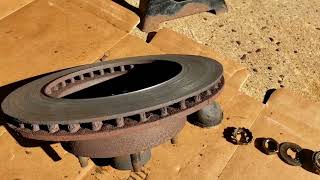
A common complaint for E-150 owners is warped front rotors, which cause a shimmy or vibration when braking. This is often due to the heat generated when stopping a heavy van. When you replace your brake pads, it is critical to inspect your rotors. If they are worn below the minimum thickness, have significant grooves, or are warped, they must be replaced. Pairing new pads with old, worn rotors will reduce braking performance and wear out the new pads much faster.
Known Issues, Recalls, and TSBs
For the 2002-2006 model years, there are no specific recalls or Technical Service Bulletins (TSBs) directly related to the disc brake pads themselves. Most brake-related complaints for this vehicle are tied to general wear and tear, spongy pedal feel from air in the lines, or vibrations from warped rotors. Always ensure the entire brake system, including calipers and brake fluid, is in good condition during a pad replacement.
| Part/Service | Estimated Cost |
|---|---|
| Aftermarket Brake Pad Set (Front or Rear) | $18 - $108 |
| Shop Labor (Per Axle) | $80 - $150 |
| Total Professional Replacement (Per Axle) | $150 - $300+ |
Frequently Asked Questions
Can I replace just the brake pads myself? 🎬 Follow this step-by-step guide to replace your E-150 pads and rotors.
Yes, replacing brake pads is a common DIY job for those with the right tools and mechanical experience. You will need a jack, jack stands, a lug wrench, a socket set, and a C-clamp or caliper piston tool. Always follow proper safety procedures, like using jack stands and chocking the wheels. If you are not confident, it is always best to have a professional mechanic do the work.
Should I replace my rotors at the same time as my pads?
Not always, but it's highly recommended, especially on a heavy vehicle like the E-150 which is prone to rotor warping. At a minimum, the rotors should be inspected for wear and warping. If you're installing performance or heavy-duty pads, pairing them with new, high-quality rotors will give you the best and safest results.
What's the difference between front and rear brake pads?
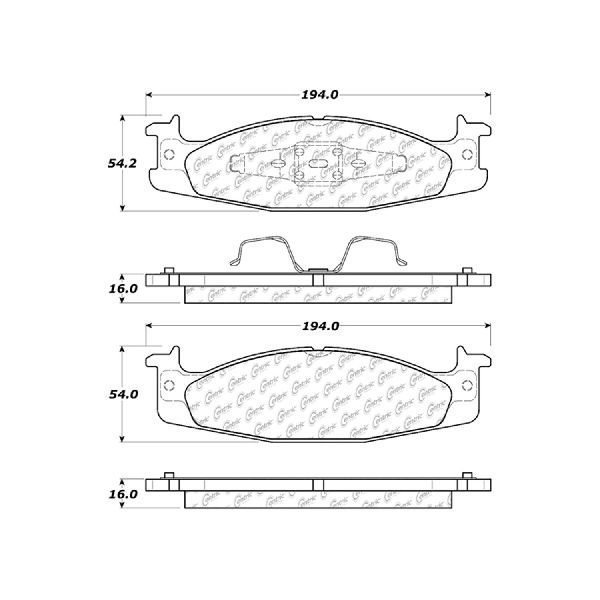
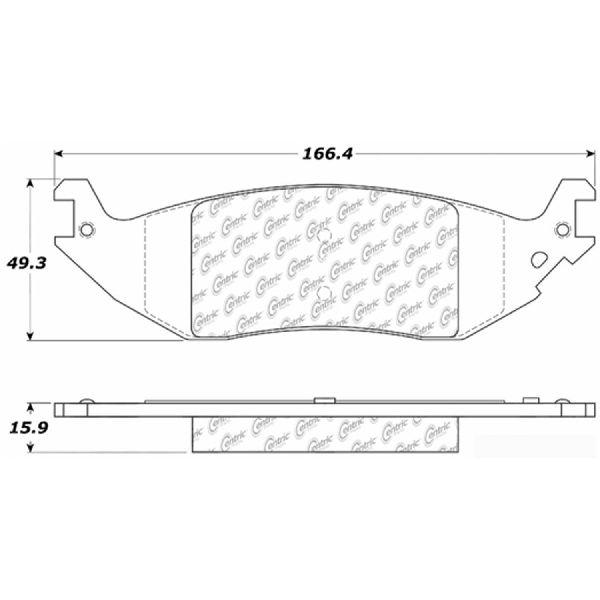
Front and rear brake pads are not interchangeable. The front brakes on your E-150 do most of the stopping work, so the pads are larger and tend to wear out faster than the rear pads. Always ensure you are purchasing the correct pads for the front or rear axle.
What is "bedding-in" new brake pads?
Bedding-in is a process of a few controlled stops to properly transfer a layer of friction material from the new pads onto the rotors. This ensures smooth, quiet, and effective braking. Most manufacturers provide specific instructions for this process, which typically involves several moderate stops from about 40 mph without coming to a complete stop.
Helpful Videos
Technical Specifications
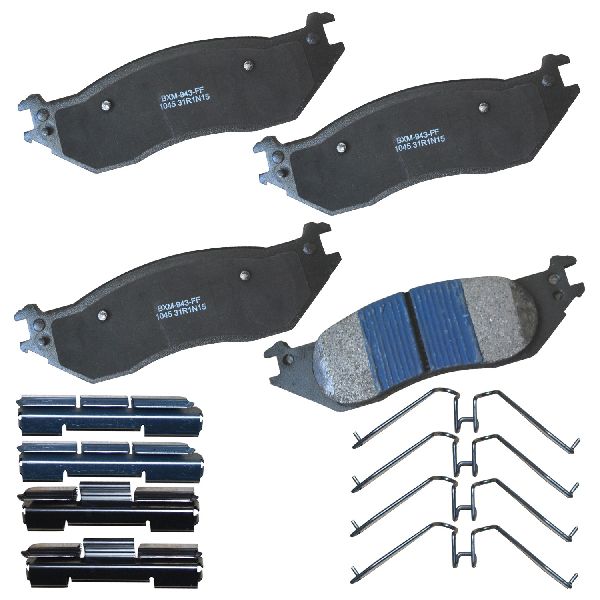
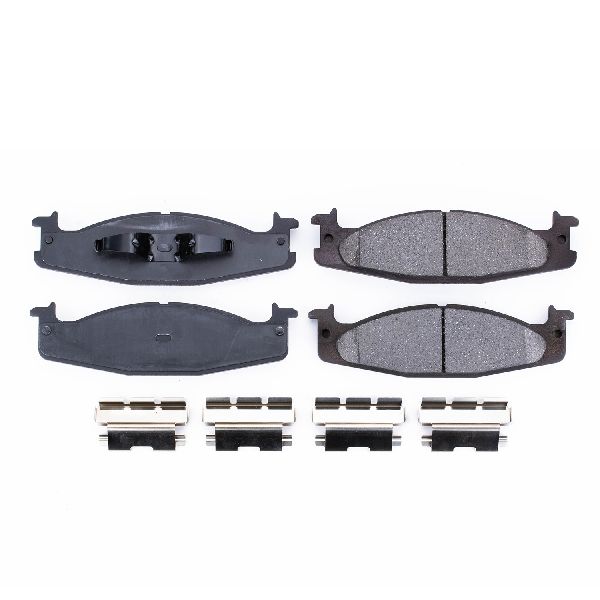
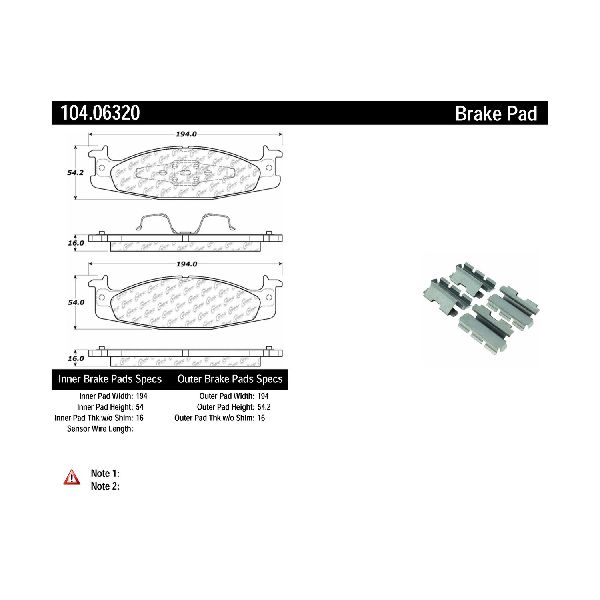
Brake pad material is the key specification. Choose semi-metallic for heavy-duty use and ceramic for quiet, low-dust daily driving. Ensure the pads are specified for the front or rear axle of the 2002-2006 Ford E-150.
We Have This Part in Stock

The information in this article is provided for general reference and educational purposes only. Vehicle specifications, procedures, and part compatibility can vary by production date, trim level, and region. Always consult your vehicle's factory service manual and verify part numbers before purchasing or performing repairs. Safety-critical components such as airbags, seat belts, and braking systems should be installed by a qualified professional.
- Ford E-150: