

A Ford Explorer Owner's Guide to Replacing HVAC Heater Hoses (2002-2006)
Leaking coolant or no heat in your Explorer? Your HVAC heater hose might be the culprit.
- Heater hose failure is common and can lead to serious engine overheating.
- Pay close attention to the plastic T-connectors and the heater control valve, as these are known weak points.
- A Technical Service Bulletin (TSB 05-25-3) exists for leaks at hose connections, recommending adding a worm-gear clamp.
- For reliability, replace the entire hose assembly at once, and consider an aftermarket version with metal connectors.
Signs of a Failing Heater Hose

Heater hoses on the 2002-2006 Ford Explorer are made of rubber and plastic that can become brittle and fail over time. When a heater hose fails, the symptoms are usually obvious and require immediate attention.
- Coolant Leaks: This is the most common sign. You may see puddles of green, yellow, or orange fluid under your Explorer, especially on the passenger side. Leaks often happen where the hoses connect to the engine, the firewall, or at plastic T-fittings.
- Sweet Smell: Engine coolant (antifreeze) has a distinct sweet smell. If you notice this smell inside or outside your vehicle, it's a sure sign of a coolant leak.
- Engine Overheating: A significant leak will lower the coolant level in your system, which can cause your engine to overheat. You might see the temperature gauge climb, particularly when you're stopped or idling.
- No Cabin Heat: If there isn't enough hot coolant reaching the heater core due to a leak or a blockage, your heater will blow cool or lukewarm air.
- Visible Damage: Look for hoses that are swollen, cracked, mushy, or hardened. Pay close attention to the plastic connectors, as they are a known weak point.
Heater Hose vs. Heater Core Leaks
A strong coolant smell inside the cabin accompanied by a wet passenger-side floorboard can indicate a leaking heater core, not just a hose. A heater core replacement is a much more difficult and expensive job that requires removing the entire dashboard. It's important to correctly identify the source of the leak before buying parts.
🎬 Watch: How to diagnose a coolant leak on your ExplorerKnown Issues for 2002-2006 Ford Explorers

There is a Ford Technical Service Bulletin (TSB 05-25-3) for the 2006 Explorer that also applies to these model years. It addresses coolant leaks specifically at the heater hose connections. The leaks can occur where the hoses connect to the heater core at the firewall on all engines, and at the engine connection on the 4.6L V8. The factory spring clamps can lose tension over time, causing slow drips. The official fix involves adding a secondary worm-gear clamp for a more secure seal.
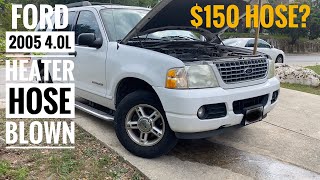
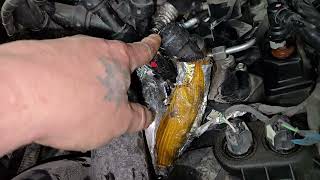
Many of these Explorers, especially those with rear heat, use plastic T-connectors in the heater hose assemblies. These are a very common failure point, often cracking and causing major leaks. 🎬 See what a failed plastic T-connector looks like When replacing your hoses, consider an aftermarket assembly that upgrades these plastic tees to more durable metal ones.
Choosing the Right Aftermarket Heater Hose

You have several good options when it comes to replacing a heater hose. The price difference, from around $12 to over $118, depends on whether you are buying a simple length of hose or a complex, pre-formed assembly with multiple branches and connectors.
Brand Quality Tiers
- OEM (Motorcraft): Motorcraft is Ford's official parts brand. These parts are guaranteed to have the exact fit and form as the original, which is important for the complex hose routing on these vehicles. They are a top-quality, reliable choice.
- Premium Aftermarket (Gates, Continental): Brands like Gates and Continental are major OEM suppliers and are highly respected. Forum discussions often show that Gates hoses, in particular, have excellent fitment and quality that is equal to or even better than the original. These are a safe and reliable alternative to Motorcraft.
- Standard Aftermarket (Dayco): Dayco is another well-known brand that produces quality hoses. While generally reliable, some professional mechanics and DIYers have occasionally noted minor fitment differences compared to Gates or Motorcraft. They still represent a good value and are a perfectly acceptable replacement part.
| Part/Service | Estimated Cost |
|---|---|
| New Aftermarket Part | $12 - $119 |
| New OEM (Motorcraft) Part | $50 - $200+ |
| Shop Labor | $150 - $450 |
Frequently Asked Questions (FAQ)

Can I replace just the one leaking hose?
You can, but it's often not the best idea. The heater hoses are sold as assemblies for a reason. They are all the same age and have been exposed to the same heat and pressure cycles. If one part has failed, others are likely not far behind. It is highly recommended to replace the entire heater hose assembly at once to prevent another failure in the near future.
Should I replace the heater control valve at the same time?
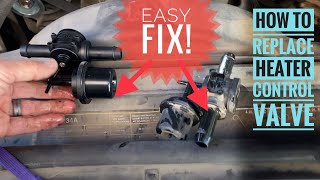
Yes. The heater control valve, a plastic part that regulates coolant flow to the heater core, is another common failure point. Since you will already be draining the coolant and accessing the hoses connected to it, replacing the valve at the same time is a smart and cost-effective preventative measure.
🎬 Watch: Step-by-step guide to replacing the heater control valveWhat kind of coolant should I use for my Explorer?
Always check your owner's manual. Most 2002-2006 Ford Explorers require Motorcraft Premium Gold Engine Coolant (a HOAT-type coolant). Using the wrong type of coolant can cause damage to your cooling system. After the repair, you will need to refill and bleed the system to remove any air pockets, which can cause overheating.
Are there any recalls for this issue?
No. There are no active recalls from the NHTSA for the HVAC heater hoses on the 2002-2006 Ford Explorer. Recalls have been issued for other model years related to engine block heaters, but not for the heater hoses themselves.
Helpful Videos
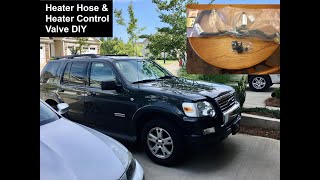
Technical Specifications
OEM Part Numbers: KHM5
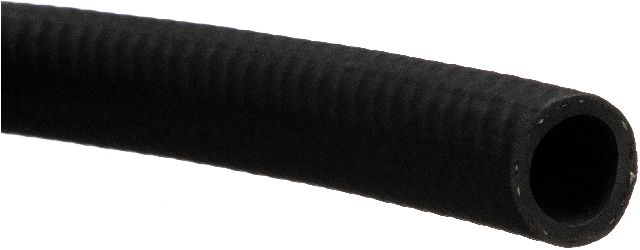
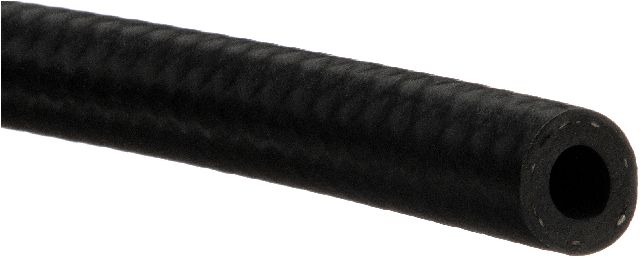
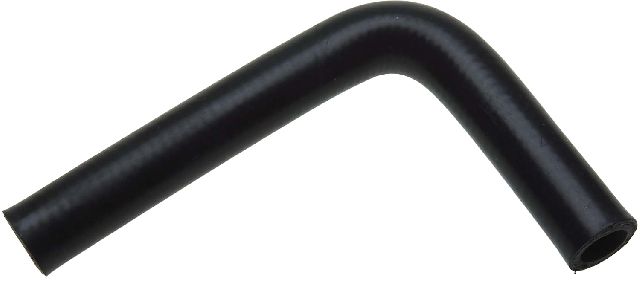
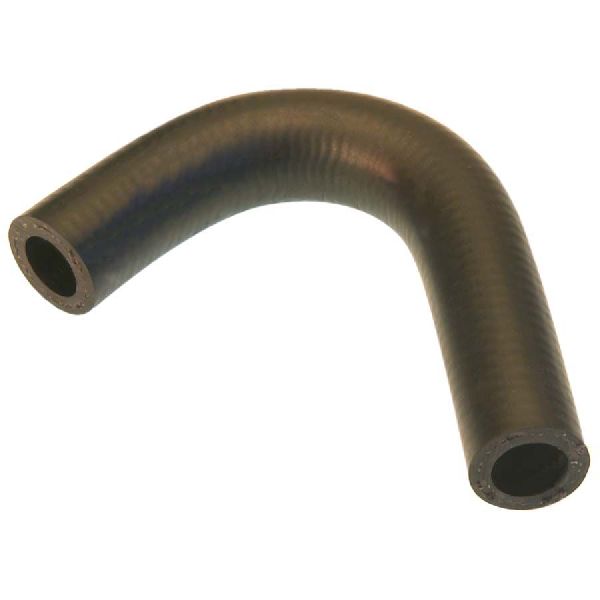
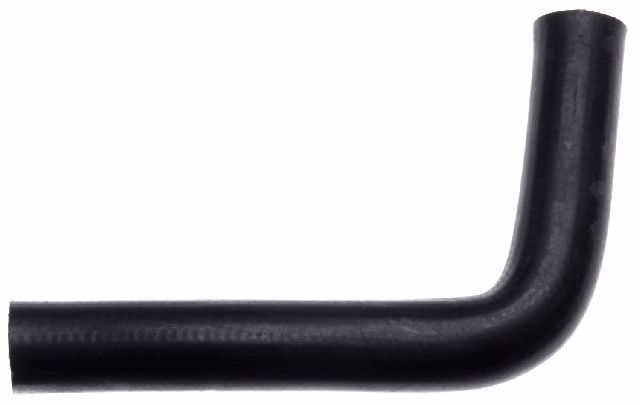
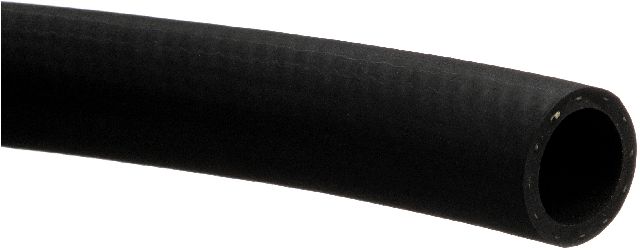
Hose assemblies for the 2002-2006 Ford Explorer are engine-specific (4.0L V6 or 4.6L V8) and vary based on whether the vehicle is equipped with an auxiliary rear heater. The most common hose diameter is 5/8 inch. Assemblies often include pre-installed plastic or metal T-connectors and a heater control valve.
We Have This Part in Stock

The information in this article is provided for general reference and educational purposes only. Vehicle specifications, procedures, and part compatibility can vary by production date, trim level, and region. Always consult your vehicle's factory service manual and verify part numbers before purchasing or performing repairs. Safety-critical components such as airbags, seat belts, and braking systems should be installed by a qualified professional.
- Ford Explorer: