

A Guide to Oxygen Sensor Replacement for the 2002-2006 Ford Explorer
Fix your check engine light and poor gas mileage by understanding how to choose the right O2 sensor for your Explorer.
- Your Explorer has four O2 sensors; confirm the exact failing location before ordering.
- Stick to top-tier brands like Motorcraft, Bosch, Denso, or NGK for reliability; avoid cheap, unbranded sensors.
- A special O2 sensor socket is required for removal and installation.
- Codes P0171 and P0174 can also be caused by vacuum leaks, so proper diagnosis is key.
Is Your Explorer's Oxygen Sensor Failing?

A bad oxygen (O2) sensor can cause noticeable problems. Because the sensor can no longer provide accurate readings to the engine computer, the air-fuel mixture becomes unbalanced. This can lead to a variety of issues ranging from annoying to serious.
Common Ordering Mistakes
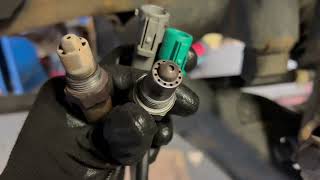
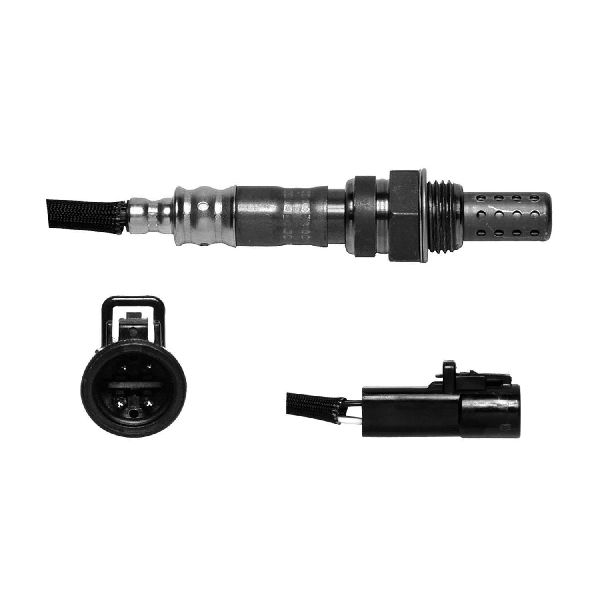
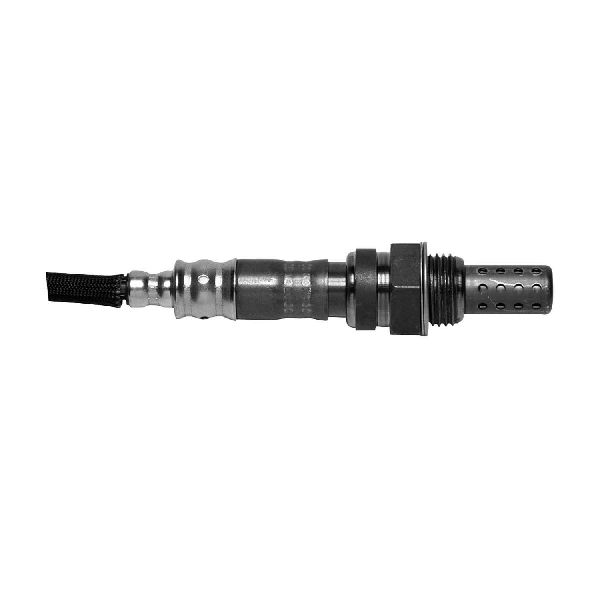
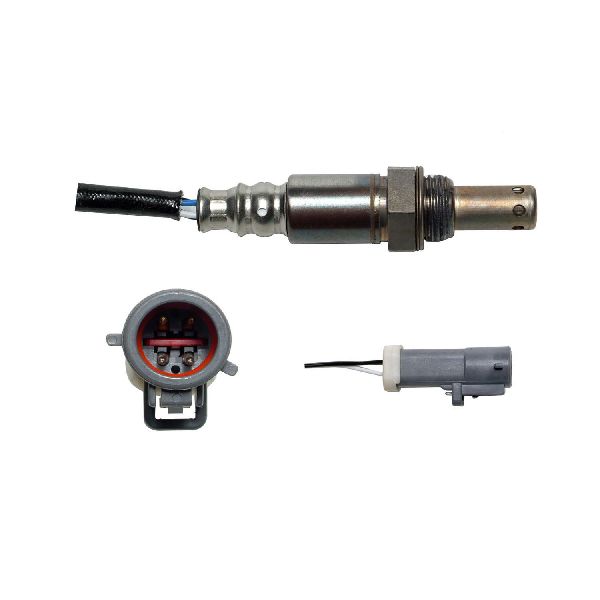
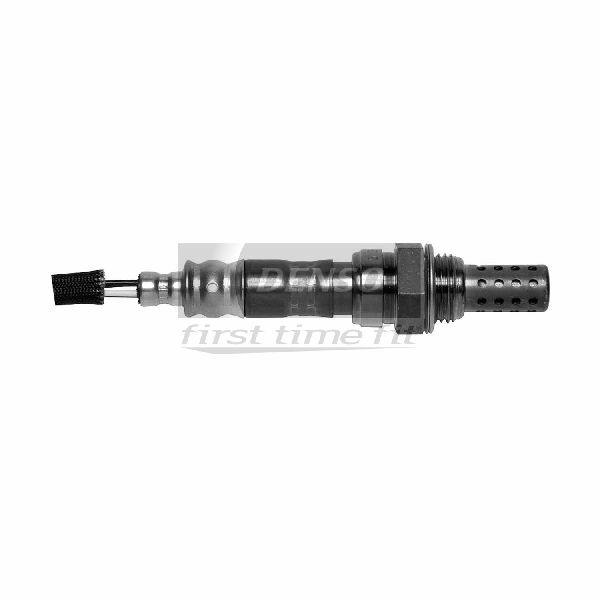
Before buying, know that your Explorer has four oxygen sensors. There are two upstream sensors (also called Bank 1 Sensor 1 and Bank 2 Sensor 1) and two downstream sensors (Bank 1 Sensor 2 and Bank 2 Sensor 2). Upstream sensors help control the engine's fuel mixture, while downstream sensors monitor the health of your catalytic converters. You must order the correct sensor for the specific location that is failing. 🎬 Watch: How to swap sensors when facing P0053 or P2195 codes. Bank 1 is on the passenger side of the engine, and Bank 2 is on the driver's side.
Choosing the Right Aftermarket Oxygen Sensor

When it comes to sensors, quality matters. Cheaper, no-name brands are known to fail quickly, which means you'll be doing the job all over again. Sticking with reputable brands is the best way to ensure a lasting repair.
Brand Quality Tiers for Ford Explorer
- Tier 1: OEM & OEM-Equivalent (Recommended)
These brands are either the original supplier to Ford or are known for equal or better quality. They provide the best performance and longevity. Forum users and mechanics consistently recommend these for a trouble-free replacement.- Motorcraft: This is Ford's own part brand. It's the direct original equipment (OE) replacement.
- Bosch: Bosch is often the original manufacturer for the Motorcraft-branded sensor in this Explorer, making it a top choice.
- Denso / NGK (NTK): Both are highly respected Japanese brands known for making reliable sensors. Many professional mechanics trust and use them as a high-quality alternative to OE.
- Tier 2: Quality Aftermarket
These brands are well-established and offer a good balance of price and quality. They are a solid choice if a Tier 1 brand isn't available.- Delphi: A large, reputable parts manufacturer with a history as an OE supplier for many carmakers.
- Walker Products: A well-known name in emission control components, considered a reliable aftermarket option.
- Tier 3: Budget Brands
While the price is tempting, budget brands often have a higher failure rate. It is generally recommended to avoid these for a critical component like an oxygen sensor.- DriveWire, Vemo, and other unbranded or house brands.
Installation Tips
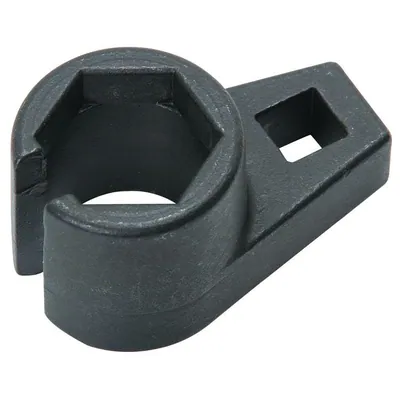
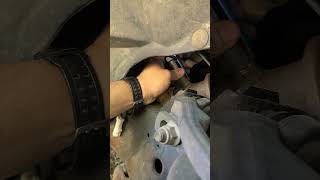
Replacing an O2 sensor can be straightforward or very difficult. The main challenge is that the old sensor can get seized in the exhaust pipe due to rust and heat cycles. Always spray the old sensor with a good quality penetrating oil and let it soak before attempting removal. You will need a special O2 sensor socket, which has a slot for the wire. The passenger side upstream sensor is known to be in a tight spot and may require more patience to access.
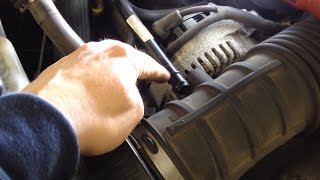
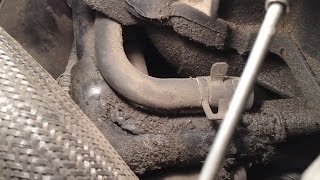
🎬 Watch: Step-by-step guide to replacing the upstream O2 sensor.Frequently Asked Questions

How many oxygen sensors does my 2002-2006 Ford Explorer have?
Your Explorer, whether it has the V6 or V8 engine, is equipped with four oxygen sensors. There are two upstream (before the catalytic converter) and two downstream (after the catalytic converter).
What's the difference between an upstream and downstream sensor?
Upstream sensors (Sensor 1) are located before the catalytic converter and are the most important for engine performance. They provide the primary data for the engine computer to adjust the air-fuel ratio. Downstream sensors (Sensor 2) are located after the catalytic converter and their main job is to monitor the converter's efficiency.
Can I clean my oxygen sensor instead of replacing it?
While some people attempt to clean O2 sensors, it is not a reliable or recommended fix. The internal heating element can fail, or the sensor can be contaminated from the inside, neither of which can be fixed by cleaning. If the sensor is bad, it needs to be replaced.
Do I need a special tool to replace an oxygen sensor?
Yes, it is highly recommended to use an O2 sensor socket. This socket is designed with a cutout on the side to accommodate the sensor's wire. Using a standard socket is not possible, and a regular wrench can easily strip the soft metal of the sensor.
My mechanic found codes P0171 and P0174. Is it the O2 sensor?
Not necessarily. These codes mean the engine is running too lean on both banks. While a failing upstream O2 sensor can cause this, a more common cause on these Fords is a vacuum leak from old hoses or intake manifold gaskets. A dirty Mass Airflow (MAF) sensor can also be the culprit. 🎬 See this common cause for P0171 and P0174 lean codes. A good mechanic will diagnose the issue properly before replacing parts.
Known Issues, Recalls, and TSBs
There are no specific recalls or widespread Technical Service Bulletins (TSBs) from Ford or the NHTSA for oxygen sensor failures on the 2002-2006 Ford Explorer. Failures are typically due to age and normal wear. The service life of an oxygen sensor is generally between 60,000 and 100,000 miles.
Helpful Videos
Technical Specifications
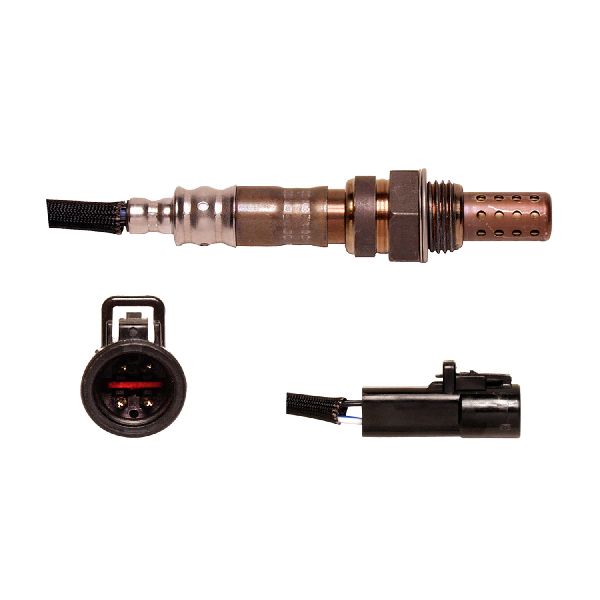
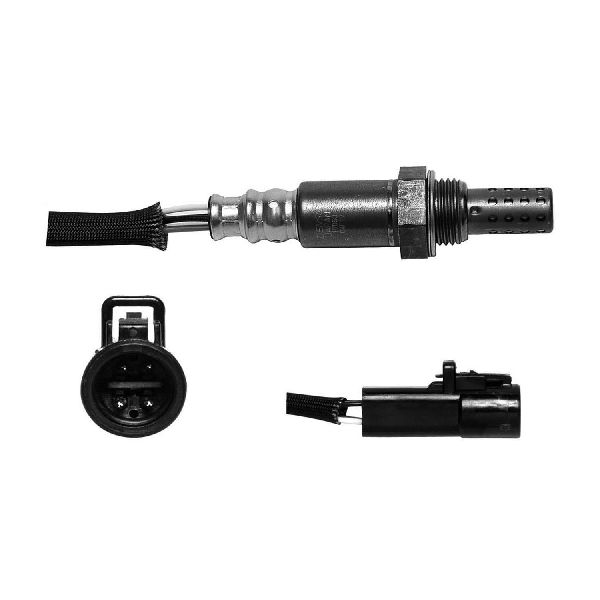
OEM Part Numbers: DY-1401 DY-1178 DY-1173 DY-1153
The 2002-2006 Ford Explorer uses heated, 4-wire oxygen sensors. Upstream and downstream sensors are physically different and have different part numbers. Both V6 (4.0L) and V8 (4.6L) engines use four sensors in total.
We Have This Part in Stock

The information in this article is provided for general reference and educational purposes only. Vehicle specifications, procedures, and part compatibility can vary by production date, trim level, and region. Always consult your vehicle's factory service manual and verify part numbers before purchasing or performing repairs. Safety-critical components such as airbags, seat belts, and braking systems should be installed by a qualified professional.
- Ford Explorer: