

Honda Accord Oxygen Sensor Guide for 2002-2006 Models
Everything you need to know before replacing an oxygen sensor on your 7th generation Honda Accord.
- For best results, use an OEM-equivalent brand like Denso or NTK; Accords can be sensitive to other brands.
- A P0420 code is often caused by a bad downstream O2 sensor, not always a failed catalytic converter.
- Verify the exact sensor you need: Upstream vs. Downstream, and for a 4-Cylinder vs. V6 engine.
- Using a special slotted oxygen sensor socket will make a DIY replacement much easier.
Is Your Honda Accord Oxygen Sensor Failing?

A failing oxygen sensor can cause several noticeable problems. The most common sign is a Check Engine Light on your dashboard. You might also experience reduced fuel economy, a rough idle, or a rotten egg smell from the exhaust. If the sensor fails completely, your car may not pass an emissions test.
Don't Ignore a P0420 Code
🎬 Watch: Understanding P0420 codes and how to avoid expensive repairs.If you have a P0420 trouble code, many shops will immediately recommend replacing the expensive catalytic converter. However, this code can often be triggered by a faulty or aging downstream oxygen sensor giving an incorrect reading. It is often wise to replace the downstream O2 sensor first, clear the code, and see if the problem is resolved before committing to a much costlier repair.
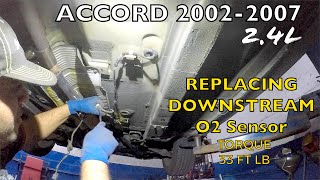
🎬 See this walkthrough for replacing the downstream sensor on 2.4L models.Choosing the Right Aftermarket Oxygen Sensor

Not all aftermarket sensors are created equal, and Honda Accords of this generation can be sensitive to the wrong parts, especially for the upstream (Air/Fuel Ratio) sensor. Choosing a quality brand is essential to avoid ongoing issues.
- Tier 1: OEM-Equivalent (Recommended)
Brands: Denso, NGK (NTK)
Denso and NGK (under their sensor sub-brand NTK) are the original equipment manufacturers for Honda. These sensors are designed to the exact specifications of your Accord, ensuring perfect fitment and accurate readings. Owner forums and mechanics overwhelmingly recommend sticking with these brands to avoid compatibility problems. - Tier 2: Reputable Aftermarket
Brands: Bosch, Delphi
Bosch is a well-known sensor manufacturer, but their track record with Honda vehicles is mixed. While they invented the oxygen sensor, many owners report issues when using Bosch sensors on Japanese cars, suggesting they are better suited for European models. They can be a viable option, especially for the less-sensitive downstream sensor, but Denso or NTK are safer bets. - Tier 3: Economy & Universal (Use with Caution)
Brands: DriveWire, Spectra, Walker, Unbranded
These brands offer a lower price point. However, a "universal" sensor requires you to cut your old sensor's plug and splice it onto the new one. This can lead to connection errors and heater circuit faults if not done perfectly. Given the low cost of direct-fit Tier 1 sensors, it's highly recommended to avoid universal kits for your Accord.
Always Use a Direct-Fit Sensor
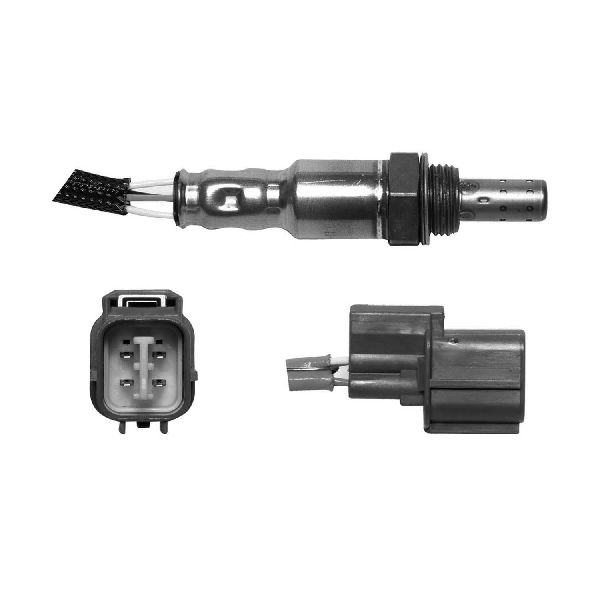
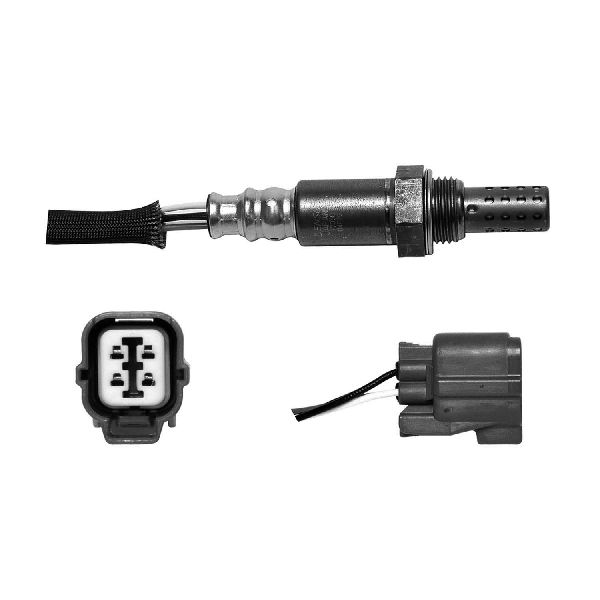
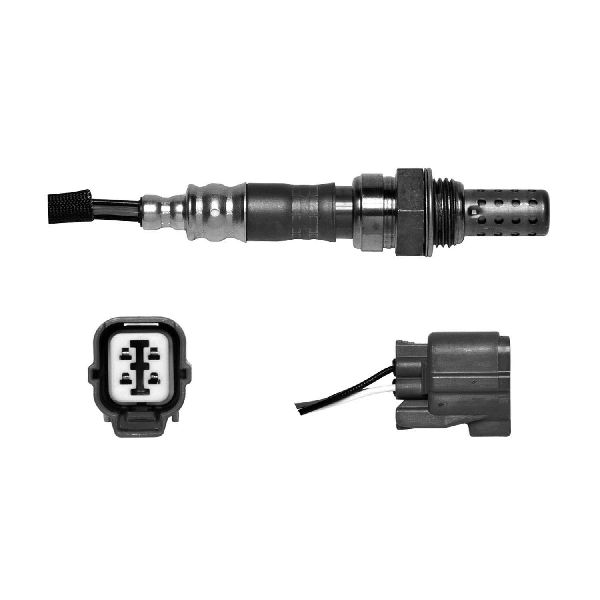
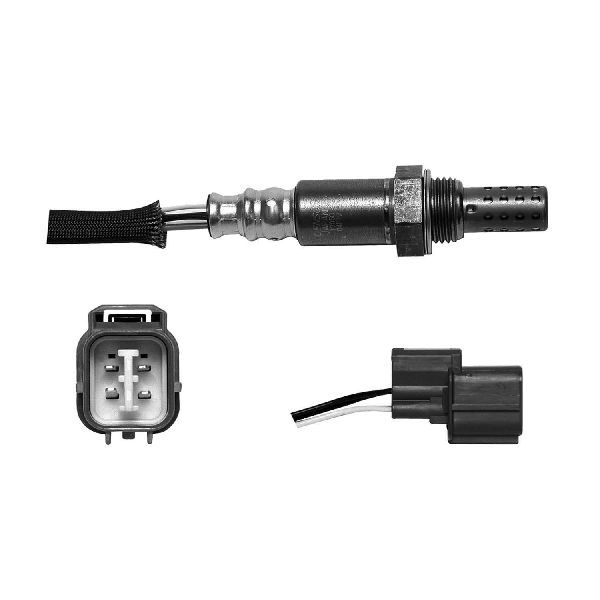
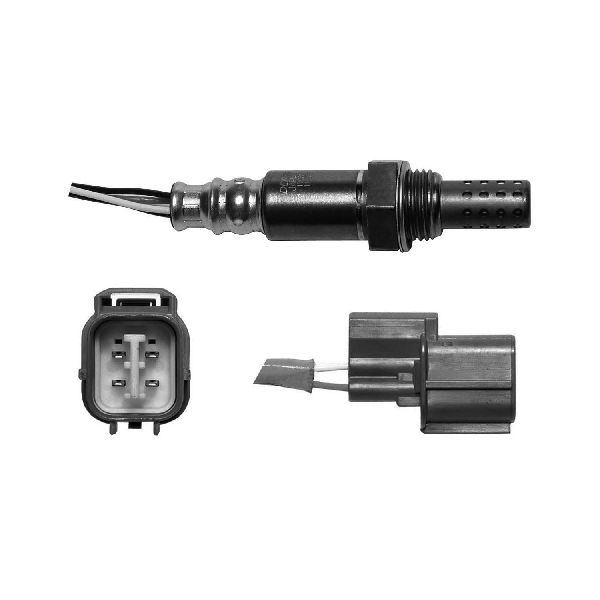
A direct-fit sensor comes with the correct plug for your car's wiring harness. This plug-and-play design prevents installation headaches and ensures a reliable electrical connection, which is crucial for the sensor to work correctly.
Oxygen Sensor Replacement Cost for 2002-2006 Honda Accord
| Part Type | Estimated Cost |
|---|---|
| New OEM (Honda Dealership) | $218 - $440 |
| New Aftermarket (Denso/NTK) | $50 - $150 |
| Shop Labor | $75 - $150 |
Frequently Asked Questions


What is the difference between an upstream and a downstream sensor?
The upstream sensor (Bank 1, Sensor 1) is located before the catalytic converter, usually in the exhaust manifold. It is the primary sensor that helps the engine control the air-fuel mixture. The downstream sensor (Bank 1, Sensor 2) is located after the catalytic converter and its main job is to monitor the converter's health. Your Accord's 4-cylinder engine has one upstream and one downstream sensor. V6 models have additional sensors for the second cylinder bank.
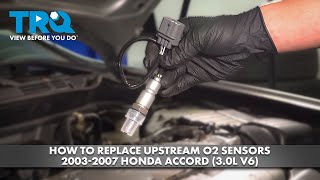
🎬 Watch: How to replace the upstream sensors on a V6 Accord.Do I need a special tool to replace an oxygen sensor?
Yes, it is highly recommended. A special oxygen sensor socket, which has a slot for the wire to pass through, makes the job much easier. The sensors can be very tight and rusted in place, so using penetrating oil and the correct socket will help prevent damage.
Why is my check engine light still on after replacing the sensor?
The trouble codes stored in your car's computer must be cleared after the repair. You can do this with an OBD-II scanner, or some auto parts stores will do it for free. Disconnecting the battery for about 15 minutes may also clear the codes, but this will reset your radio and clock as well.
Did I buy the right sensor? There are so many options!
It's a common mistake to order the wrong part. You must match the sensor to your Accord's engine (4-cylinder or V6), emissions type (Federal or California), and location (upstream or downstream). For example, a sensor for a VTEC engine might not work in a ULEV (Ultra-Low Emission Vehicle) engine because the wiring and length can be different. Always double-check the part number before ordering.
Helpful Videos
Technical Specifications
OEM Part Numbers: 36531-RAA-A01 36532-RAA-A02 36531-PAA-305 36532-PAA-L02 36531-P8C-A21
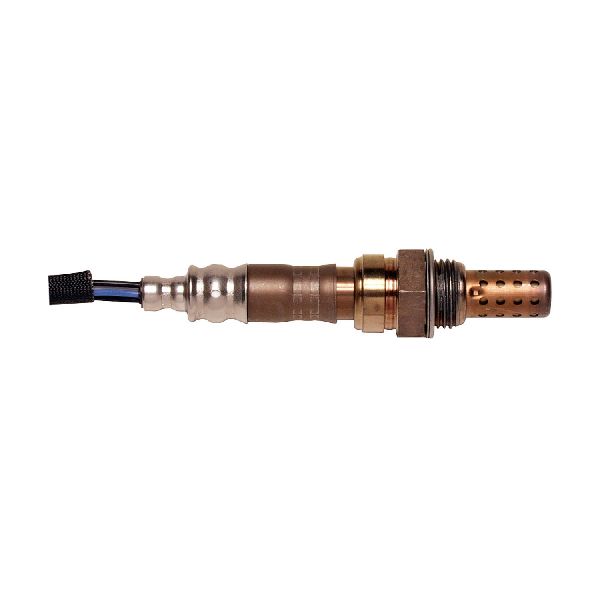
The 2002-2006 Accord uses two main types of sensors. The upstream sensor (Sensor 1) is an Air/Fuel Ratio sensor, which may be a wideband type for precise fuel control. The downstream sensor (Sensor 2) is a standard narrowband oxygen sensor used for monitoring catalyst efficiency. All sensors for this generation are heated and use direct-fit connectors with 4 wires.
We Have This Part in Stock

The information in this article is provided for general reference and educational purposes only. Vehicle specifications, procedures, and part compatibility can vary by production date, trim level, and region. Always consult your vehicle's factory service manual and verify part numbers before purchasing or performing repairs. Safety-critical components such as airbags, seat belts, and braking systems should be installed by a qualified professional.
- Honda Accord: