

A Guide to Replacing Fuel Injectors on a 2002-2006 Honda Civic
Understand the signs of a failing fuel injector and how to choose the right aftermarket replacement for your Civic's engine.
- Verify your exact year and engine (1.7L, 2.0L, or 1.8L) before buying, as 2002-2005 and 2006 models use different parts.
- Symptoms like rough idle, misfires, and poor gas mileage are common indicators of a failing fuel injector.
- For reliability, choose an OEM-supplier brand like Hitachi or a quality aftermarket brand like Standard Ignition or Beck Arnley.
- It is strongly recommended to replace all four fuel injectors at the same time for balanced engine performance.
Understanding the 2002-2006 Honda Civic Generation Gap

It is critical to know that the 2002-2006 year range covers two different Honda Civic generations. This means engines and parts are not the same across all years and trims.
- 2002-2005 Honda Civic (7th Generation): Most models (DX, LX, EX) use a 1.7L D17-series engine. The Si model uses a 2.0L K20 engine. These engines require different fuel injectors.
- 2006 Honda Civic (8th Generation): This is a completely redesigned model with a new 1.8L R18 engine for most trims. It uses different fuel injectors than the 2002-2005 models.
Common Ordering Mistake: Always verify your Civic's year, trim level (DX, LX, EX, Si), and engine size before ordering. Buying an injector for an EX will not work in an Si, and a 2005 injector will not fit a 2006 model.
Symptoms of a Failing Fuel Injector

A bad fuel injector can make itself known in several ways. You might notice one or more of these signs, which can start subtly and get worse over time.
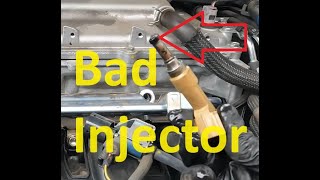
🎬 Watch: A quick guide to common fuel injector failure symptoms- Rough Idle: The engine may shake or vibrate when you're stopped at a light.
- Engine Misfires: You may feel the engine hesitate or stumble while driving. This often triggers a flashing Check Engine Light.
- Poor Fuel Economy: If you're filling up your gas tank more often than usual, a leaking or inefficient injector could be the cause.
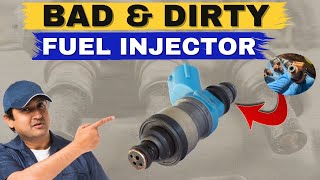
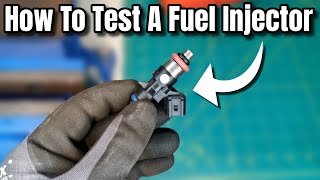
- Check Engine Light: A failing injector can trigger various trouble codes. Common codes include P0300-P0304 (misfire codes for specific cylinders) and P0201-P0204 (injector circuit malfunction). 🎬 See how to test your fuel injectors with this DIY guide
- Fuel Smell: A strong smell of raw gasoline around the engine bay can indicate a leaking injector body or seal.
- Hard Starting: If the engine struggles to start, it could be due to a clogged injector not delivering enough fuel.
Choosing the Right Aftermarket Fuel Injector

When replacing a fuel injector, you don't have to buy from the dealer. Aftermarket brands offer a range of quality and price points. For a critical part like this, it's best to balance cost with reliability.
Brand Quality Tiers
- Top Tier (OEM Supplier): Hitachi is often the original equipment manufacturer (OEM) for Honda fuel system parts. Choosing Hitachi is the closest you can get to buying a genuine Honda part, ensuring excellent fit and performance.
- Quality Aftermarket: Brands like Standard Motor Products (Standard Ignition) and Beck Arnley have a strong reputation. They invest in quality control and often source parts from OEM suppliers, making them a reliable and cost-effective choice.
- Budget-Friendly: GBR Fuel Injection offers remanufactured injectors at a lower price point. While this can save money, reviews are mixed. Some users report success, while others have experienced premature failures. Given the labor involved, consider the risk of needing to do the job twice.
Pro Tip: If one fuel injector has failed due to age or mileage, the others are likely not far behind. It is highly recommended to replace all four injectors as a set to ensure balanced fuel delivery and prevent future failures.
| Part Type | Estimated Cost (Per Injector) |
|---|---|
| New OEM (Dealer) | $170 - $340 |
| New Aftermarket | $54 - $235 |
| Remanufactured | $30 - $70 |
| Shop Labor (All 4) | $190 - $280 |
Frequently Asked Questions (FAQ)

Is it hard to replace Honda Civic fuel injectors?
For the 2002-2005 Civic with the 1.7L engine, the replacement is straightforward for a DIY mechanic with some experience. The fuel rail is relatively accessible at the top of the engine. The process involves relieving fuel pressure, disconnecting the battery, removing the fuel rail, swapping the injectors, and reassembling. The 2006 model is similar in difficulty.
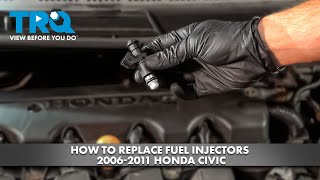
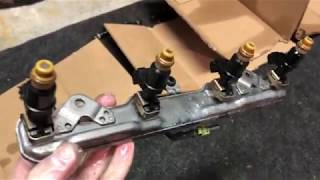
🎬 Watch this step-by-step fuel injector replacement for 2006 modelsDo I need special tools to replace a fuel injector?
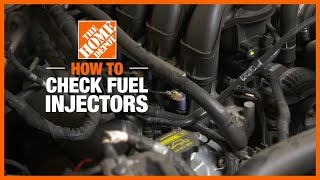
You'll need a basic socket set, wrenches, and pliers. A fuel line disconnect tool may be helpful, and it's important to have clean rags to manage any small fuel spills. Always wear safety glasses and work in a well-ventilated area.
Are there any recalls for fuel injectors on the 2002-2006 Civic?
Searches of the NHTSA database did not show any specific fuel injector recalls for the 2002-2006 Honda Civic. There have been recalls for fuel pumps on other and later model year Hondas, but not for injectors on this specific generation. However, Honda has issued warranty extensions for fuel injector issues on other models, so it's always worth checking with a dealer.
Should I clean my old injectors or buy new ones?
While professional ultrasonic cleaning can restore injectors, the cost can sometimes be close to buying new, quality aftermarket parts. Given the age of these vehicles, replacing them with new units provides more peace of mind and a longer-lasting repair. Using in-tank fuel injector cleaners is good for maintenance but will not fix a failed or severely clogged injector.
Helpful Videos
Technical Specifications
OEM Part Numbers: 16450-PLC-003 06164-PDN-J00
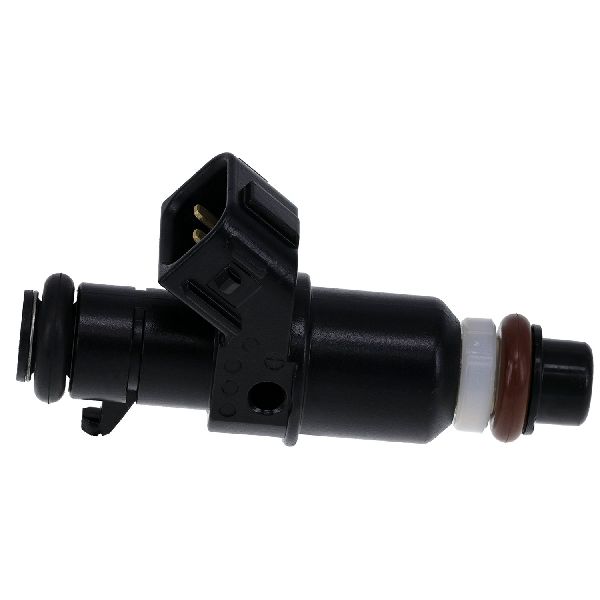
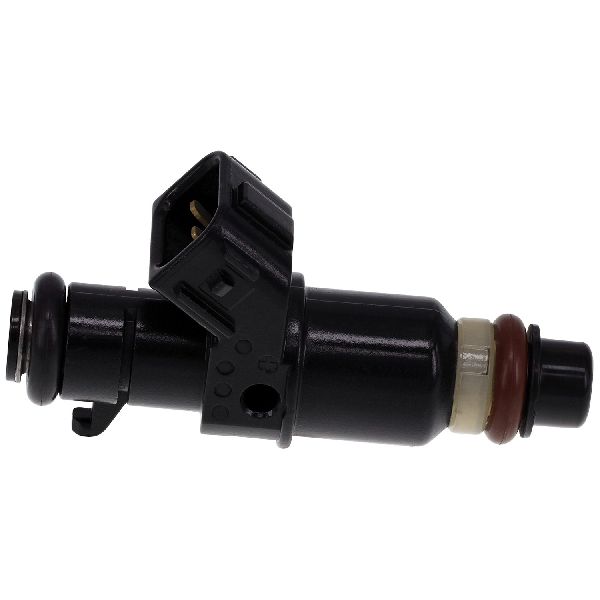
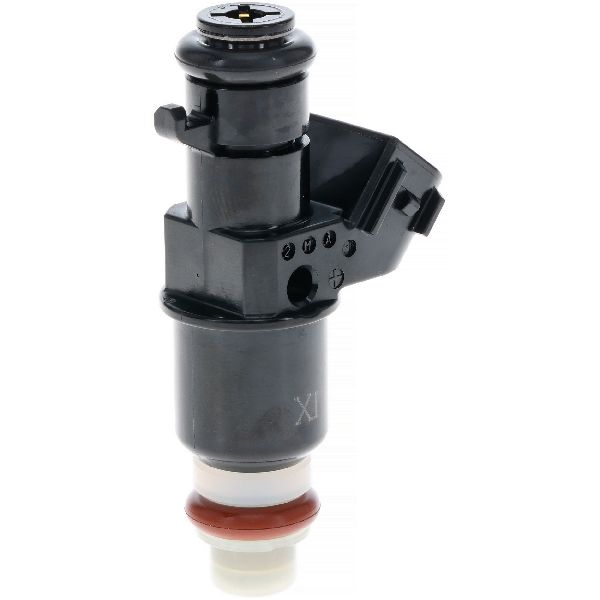
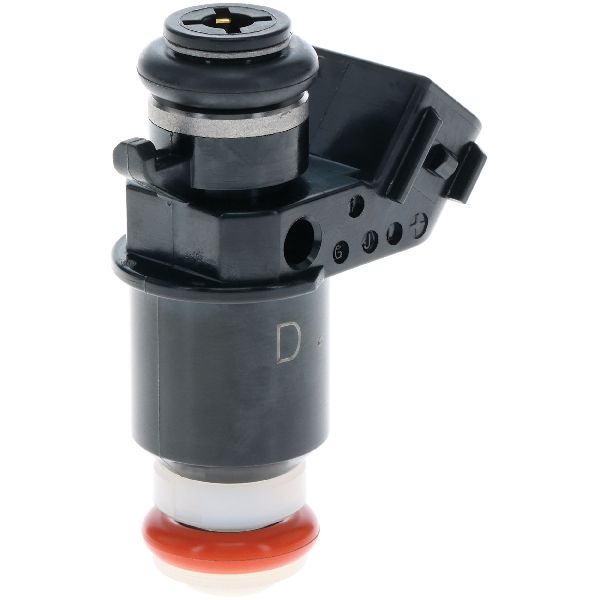
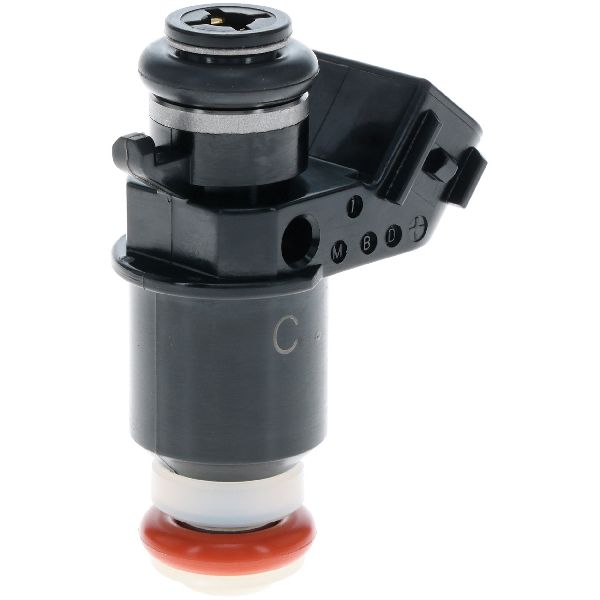
The 2002-2005 Honda Civic (DX, LX, EX) uses a D17A engine with Keihin-style, multi-port fuel injectors. The 2002-2005 Si uses a K20A3 engine with different injectors. The 2006 Civic uses an R18A1 engine with its own specific injectors. Always confirm fitment by vehicle year and trim.
We Have This Part in Stock


The information in this article is provided for general reference and educational purposes only. Vehicle specifications, procedures, and part compatibility can vary by production date, trim level, and region. Always consult your vehicle's factory service manual and verify part numbers before purchasing or performing repairs. Safety-critical components such as airbags, seat belts, and braking systems should be installed by a qualified professional.
- Honda Civic: