

A Guide to Replacing Brake Calipers on the 2002-2006 Honda CR-V
Everything you need to know about choosing the right new aftermarket brake calipers for your second-generation CR-V.
- The rear calipers on 2002-2006 CR-Vs are known to seize due to rust; choosing a coated aftermarket caliper can help prevent this.
- Always replace calipers in pairs (both fronts or both rears) to ensure safe, balanced braking.
- When installing a new caliper, it's a good practice to re-lubricate the slide pins with high-temperature silicone grease.
- A sticking caliper is a serious safety issue that can lead to brake failure and should be addressed immediately.
Is Your CR-V's Brake Caliper Failing?

On the 2002-2006 Honda CR-V, brake calipers can last a long time, but they are a common failure point, especially the rear ones. Due to their design and exposure to the elements, they are prone to sticking or seizing. This happens when the caliper piston or the slide pins corrode and can no longer move freely. When a caliper sticks, it fails to release the brake pad from the rotor, causing constant friction.
Symptoms of a Bad Brake Caliper:
🎬 Watch: See these 5 common symptoms of a sticking caliper.- Vehicle Pulling: Your CR-V may pull to one side when you brake, or even while driving straight.
- Burning Smell: A stuck caliper generates extreme heat, often creating a strong burning odor from the affected wheel after a drive.
- Uneven Brake Pad Wear: The pads on the wheel with the seized caliper will wear out extremely fast compared to the other side.
- Brake Drag: You might feel like the vehicle is sluggish or not coasting freely, as if the brake is slightly applied all the time.
- Visible Damage: In severe cases, the rotor on the affected wheel may turn blue or black from excessive heat.
A Known Issue: Seizing Rear Calipers
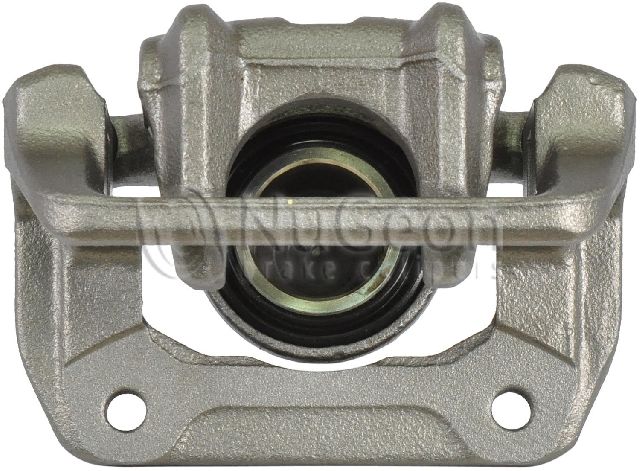
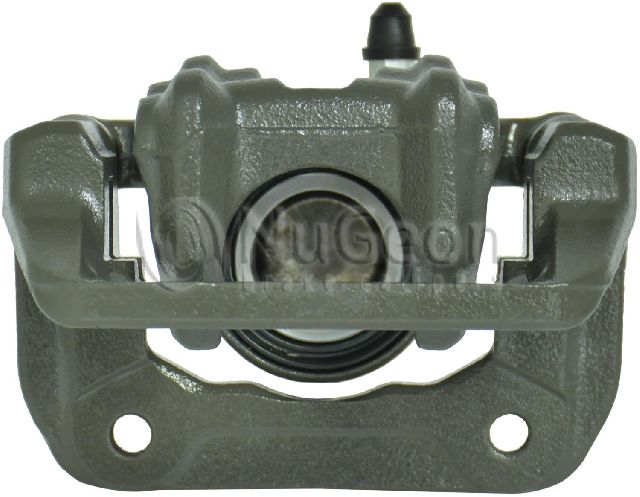
Owners and mechanics frequently report that the rear brake calipers on the second-generation CR-V are a common problem area. This is often due to rust building up on the slide pins or under the pad hardware, a known issue for this vehicle generation, especially in regions that use road salt. 🎬 See this walkthrough on how to replace your rear calipers. There was even a Technical Service Bulletin (TSB) for 2002-2004 models regarding rust causing the rear brakes to stick. When replacing calipers, paying extra attention to cleaning and lubricating the mounting points is critical.
Choosing the Right Aftermarket Caliper

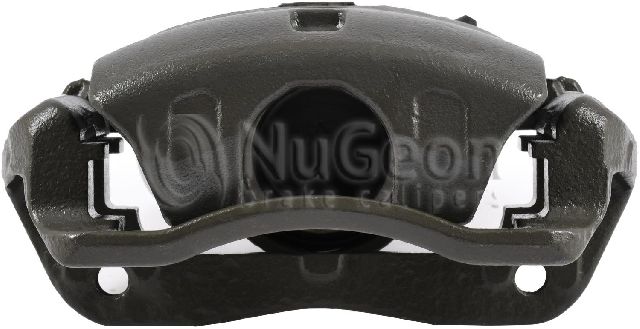
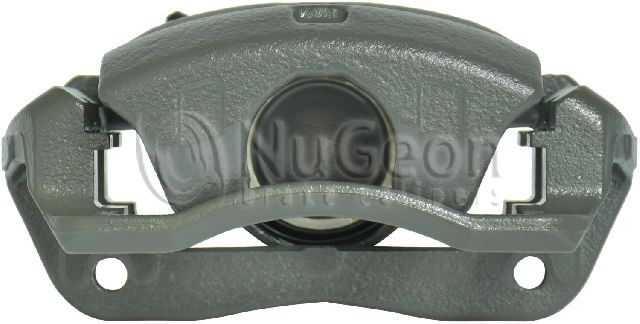
Original Equipment (OEM) calipers for this CR-V were made by Nissin and are high quality, but they are also very expensive, often costing over $400 for a single part from a dealer. New aftermarket calipers offer a great balance of quality and value. Here’s how to choose from the available brands.
Brand Quality Tiers
- Premium Coated Calipers (Best Protection): Brands like Powerstop, Centric (Elite Pack), and Raybestos (Element3) offer calipers with a powder-coated or plated finish. This coating provides excellent protection against rust and corrosion, which is the primary enemy of calipers on the CR-V. They are a smart investment if you live in a snowy or wet climate.
- Standard Aftermarket Calipers (Good Quality): Centric and Raybestos are well-regarded brands that offer quality standard-replacement calipers that meet or exceed OEM specifications. They are a reliable choice for most owners and are considered a safe bet by many mechanics.
- Value-Oriented Calipers (Use with Caution): Brands like Cardone and BBB Industries often provide remanufactured calipers. While they are the most affordable, the quality can be inconsistent. If choosing a remanufactured part, ensure it comes with a good warranty and inspect it carefully before installation.
Pro Tip: Regardless of the brand you choose, always inspect the new caliper's slide pins. Many professional installers recommend cleaning and applying a fresh coat of high-temperature silicone brake lubricant to the pins, as the factory-applied grease can sometimes be insufficient.
How Much Does a New CR-V Caliper Cost?

The cost depends on the brand you choose and whether you do the work yourself or hire a professional.
| Part / Service | Estimated Cost |
|---|---|
| New Aftermarket Caliper (Single) | $49 - $128 |
| New OEM Caliper (Single) | $400+ |
| Shop Labor (Per Side) | $150 - $250 |
| Total Professional Replacement (One Side, Aftermarket) | $200 - $380 |
Frequently Asked Questions

Should I replace brake calipers in pairs?
Yes, it is highly recommended to replace brake calipers in pairs (both front or both rear). This ensures even braking performance and prevents your vehicle from pulling to one side. Replacing only one can lead to unbalanced braking, which is a safety hazard.
What is the difference between a new and a remanufactured caliper?
A new caliper is made from all-new materials. A remanufactured caliper starts with an original (OEM) core that is cleaned, inspected, and rebuilt with new seals, boots, and pistons. While high-quality remanufactured parts from brands like Cardone can be reliable, new parts generally offer better consistency and peace of mind.
Can I just rebuild my old caliper?
Rebuilding a caliper with a new seal and boot kit is possible if the caliper piston and bore are not pitted or corroded. However, given the low cost of a complete new aftermarket caliper and the high likelihood of corrosion on a CR-V of this age, replacement is usually the faster and more reliable option.
Do I need special tools to replace a brake caliper?
You will need a basic socket set (12mm, 14mm, 19mm), a wrench for the brake line (often 10mm), and a tool to compress the caliper piston. The most important part of the job is bleeding the brakes afterward to remove air from the system, which requires a brake bleeder wrench and a catch bottle. If you are not comfortable bleeding brakes, it is best to leave this job to a professional.
🎬 Watch: How to properly bleed the brakes on your CR-V.Helpful Videos
Technical Specifications
OEM Part Numbers: 43019-S9A-E00 45018-S9A-E00 01463-S9A-A01 01473-SP0-000
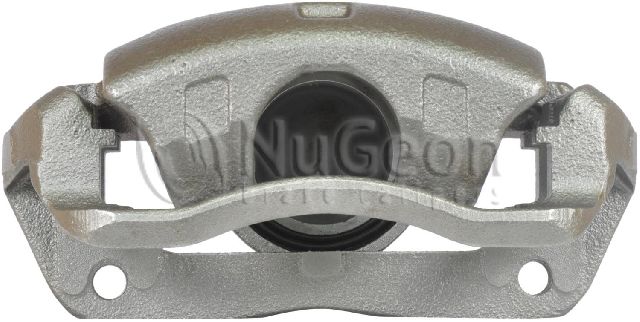
The 2002-2006 Honda CR-V uses a single-piston floating caliper design for both the front and rear brakes. Aftermarket calipers are typically sold with the mounting bracket included and new hardware.
We Have This Part in Stock


The information in this article is provided for general reference and educational purposes only. Vehicle specifications, procedures, and part compatibility can vary by production date, trim level, and region. Always consult your vehicle's factory service manual and verify part numbers before purchasing or performing repairs. Safety-critical components such as airbags, seat belts, and braking systems should be installed by a qualified professional.
- Honda CR-V: