

A Guide to Oxygen Sensor Replacement for the 2002-2006 INFINITI Q45
Keep your Q45's 4.5L V8 running strong by understanding its oxygen sensors.
- Your Q45 has four oxygen sensors; identify the correct failed sensor using an OBD-II scanner before buying a replacement.
- For best results, choose a direct-fit sensor from an OEM-equivalent brand like Denso or NGK/NTK.
- Accessing and removing old sensors can be difficult due to rust; use penetrating oil and a special O2 sensor socket.
- There are no specific recalls for oxygen sensors on this vehicle, so failure is usually due to age or contamination.
Signs of a Failing Oxygen Sensor
A bad oxygen sensor can cause several noticeable problems. The most common sign is the check engine light illuminating on your dashboard. You might also experience a significant drop in fuel economy, a rough or unstable idle, and hesitation when you accelerate. In some cases, you may smell a 'rotten egg' odor from the exhaust, which indicates the catalytic converter is overheating due to an incorrect fuel mixture. If the sensor fails completely, your vehicle will not pass an emissions test.
Check Engine Light Codes
Common trouble codes for oxygen sensor issues on your Q45 include P0130 through P0167. A code like P0155, for example, points to a failure in the Bank 2, Sensor 1 (upstream) heater circuit. Always use an OBD-II scanner to confirm which sensor is faulty before purchasing a replacement.
Choosing the Right Aftermarket Oxygen Sensor
When it comes to aftermarket oxygen sensors for your INFINITI Q45, quality varies. Sticking with brands known for their OE-level performance is your best bet. For Japanese vehicles like Infiniti, some brands are consistently recommended over others.
Brand Tiers for Your INFINITI Q45
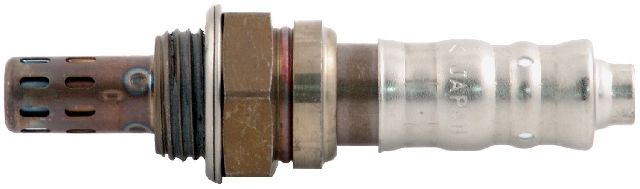
- Top Tier (OEM-Equivalent): Denso and NGK (NTK) are highly recommended. These brands are often the original equipment manufacturers for Nissan/Infiniti, so their aftermarket parts offer a direct fit and reliable performance. Forum users and mechanics frequently cite these as the go-to choices for Japanese imports.
- Reliable Aftermarket: Bosch is a well-respected name that invented the modern oxygen sensor. While some mechanics prefer to stick with Japanese brands for Japanese cars, Bosch sensors are used as original equipment on many Nissan/Infiniti vehicles and are considered a strong, reliable option.
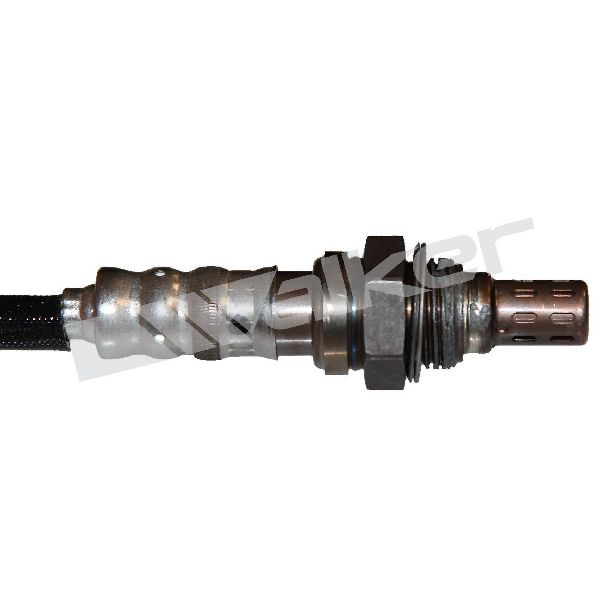
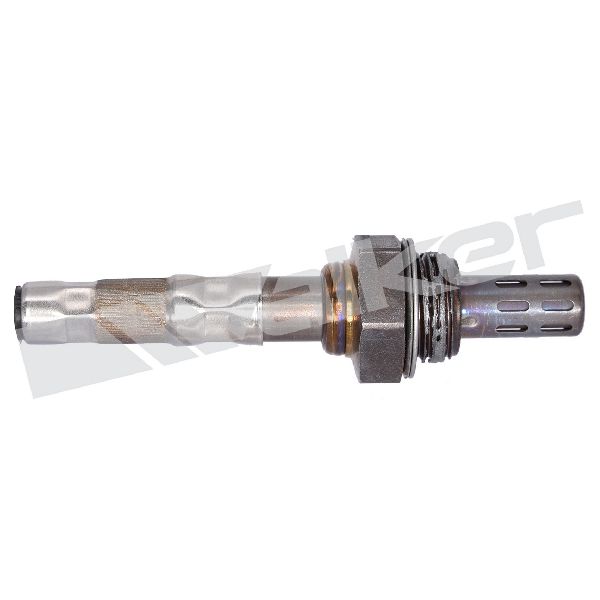
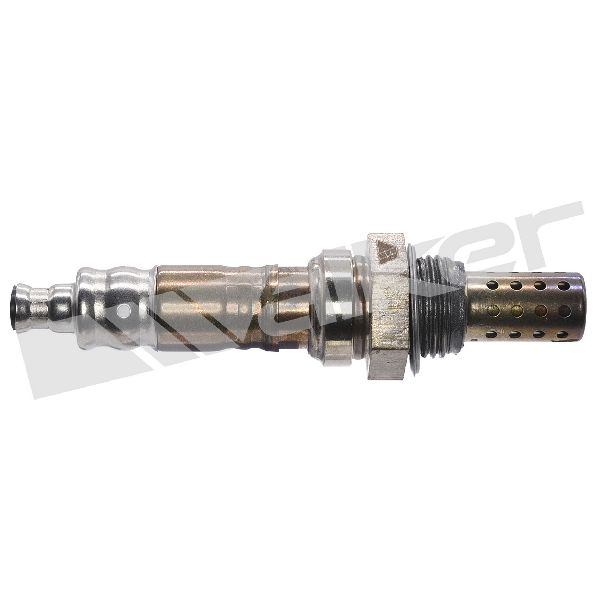
- Standard Aftermarket: Brands like Delphi, Hella, and Walker Products offer a more budget-friendly alternative. Walker, for instance, has been noted to sometimes use Denso sensor elements in their assemblies. These can be a good value, but for a luxury performance vehicle like the Q45, investing in a top-tier brand for the critical upstream sensors is often worth the extra cost for long-term reliability.
- Budget-Focused: Brands like DriveWire and Vemo fall into the budget category. They can work, but may not offer the same longevity or precise calibration as the top-tier brands.
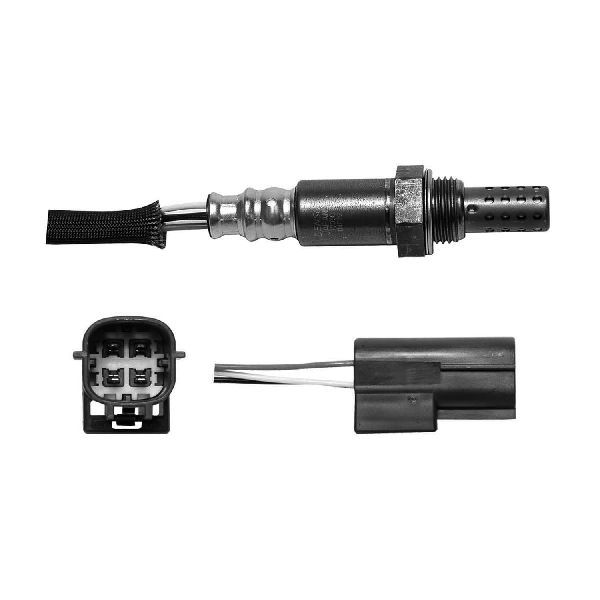
Pro Tip: Always choose a 'Direct-Fit' sensor. These come with the correct wire length and factory-style connector, making installation much easier than a 'Universal' sensor that requires splicing wires.
| Part Type | Price Range |
|---|---|
| New OEM | $150 - $250+ per sensor |
| New Aftermarket | $39.74 - $178.23 per sensor |
| Shop Labor | $56 - $83 per sensor |
Known Issues, Recalls, and TSBs
Searches of the National Highway Traffic Safety Administration (NHTSA) database did not reveal any specific recalls or technical service bulletins (TSBs) for oxygen sensor failures on the 2002-2006 INFINITI Q45. Recalls for this vehicle generation pertain to other issues like brake light switches and rear combination lamps. Failure of oxygen sensors on the Q45 is typically due to age, mileage, or contamination from other engine issues like oil or coolant leaks.
Frequently Asked Questions (FAQ)
How many oxygen sensors does my 2002-2006 Q45 have?
Your Q45 is equipped with four oxygen sensors. There is one upstream (before the catalytic converter) and one downstream (after the catalytic converter) sensor for each cylinder bank of the V8 engine.
What's the difference between an upstream and a downstream sensor?
Upstream sensors (also called Air/Fuel Ratio sensors) are located between the engine and the catalytic converter. They provide the primary feedback for the ECU to adjust the fuel mixture. Downstream sensors are located after the catalytic converter and their main job is to monitor the converter's efficiency. The upstream sensors are more critical for engine performance and fuel economy.
Which sensor is Bank 1 vs. Bank 2?
On a V-style engine like your Q45's VK45DE, Bank 1 is the side that contains cylinder #1. Bank 2 is the opposite side. For your Q45, Bank 1 is the passenger's side and Bank 2 is the driver's side.
Can I clean my old oxygen sensor instead of replacing it?
While some attempt to clean O2 sensors, it is not a recommended or reliable long-term solution. The sensing element becomes contaminated and worn internally over time. Replacement is the only way to guarantee restored performance and accuracy.
Is replacing an oxygen sensor a DIY job?
Yes, for someone with mechanical experience. It requires a special oxygen sensor socket to work around the wire. The biggest challenge is often the sensor being seized in the exhaust pipe due to rust and heat cycles. Soaking the threads with penetrating oil (like PB Blaster) overnight is highly recommended. Access can also be tight, especially for the upstream sensors.
Technical Specifications
OEM Part Numbers: 22690-60U12 22690-64U06 226A0AR210
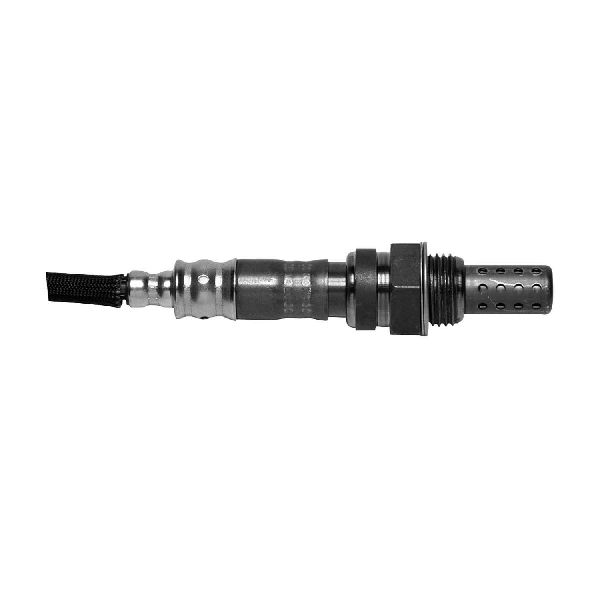
The 2002-2006 INFINITI Q45 (F50) with the VK45DE 4.5L V8 engine uses a total of four heated, 4-wire oxygen sensors. There are two upstream (Air/Fuel Ratio) sensors and two downstream (monitoring) sensors.
We Have This Part in Stock

The information in this article is provided for general reference and educational purposes only. Vehicle specifications, procedures, and part compatibility can vary by production date, trim level, and region. Always consult your vehicle's factory service manual and verify part numbers before purchasing or performing repairs. Safety-critical components such as airbags, seat belts, and braking systems should be installed by a qualified professional.
- INFINITI Q45: