

Acura TL Radiator Guide: Preventing Overheating and Transmission Failure (2002-2007)
Keep your TL's engine cool and learn how to avoid catastrophic transmission damage from a failed radiator.
- The most critical failure is the internal transmission cooler rupturing, which mixes coolant and transmission fluid ('strawberry milkshake') and destroys the transmission.
- Verify your vehicle's year. Radiators for 2002-2003 models are different from 2004-2007 models.
- A Denso aftermarket radiator is often the same as the OEM part and is a highly recommended, cost-effective replacement.
- When replacing the radiator, also replace the cap, thermostat, and hoses to ensure the entire system is reliable.
Is Your Acura TL Radiator Failing?


A radiator failure in your 2002-2007 Acura TL isn't just about engine overheating; it can lead to a destroyed transmission. Knowing the signs of a failing radiator can save you from thousands of dollars in repairs.
Key Symptoms of a Bad Radiator:
- Engine Temperature Gauge Climbing: If the needle on your dash starts creeping into the red, especially in traffic or on hot days, your radiator may not be cooling effectively.
- Visible Coolant Leaks: Finding puddles of green or blue fluid under the front of your car is a clear sign of a leak. You might also smell a sweet scent after driving.
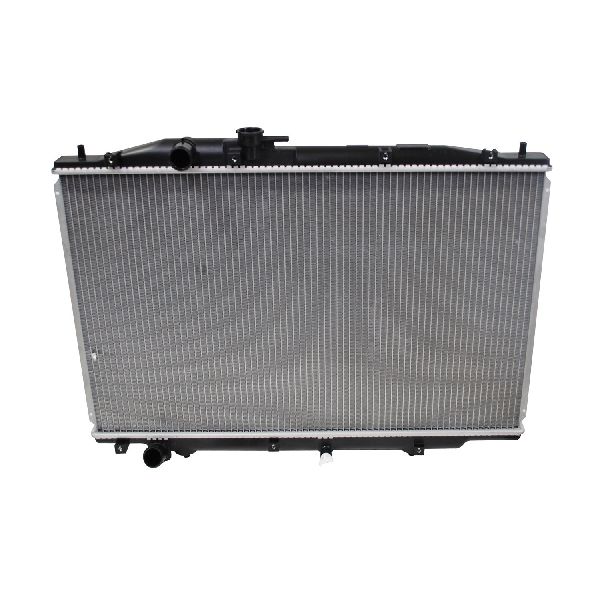
- Cracked Plastic Tanks: The most common failure point is the black plastic top of the radiator. Over time, it becomes brittle and can develop small cracks, leading to leaks. You may see white or colored crusty residue along the seam where the plastic meets the metal core.
- Steam from Under the Hood: If you see steam, pull over immediately. This means hot coolant is escaping and turning into steam, a sign of a significant leak.
CRITICAL WARNING: The 'Strawberry Milkshake' of Death
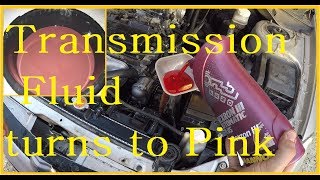
The most severe failure for these Acura TL models is when the internal transmission cooler fails. This allows engine coolant and automatic transmission fluid (ATF) to mix. When they mix, they create a thick, pink, sludgy substance that looks like a strawberry milkshake.
🎬 Watch: See what this dangerous transmission fluid mixture looks like.If you check your coolant overflow tank or radiator and see this pink sludge, STOP DRIVING IMMEDIATELY. This mixture will circulate through your transmission, destroying the sensitive internal clutches and components very quickly. Continuing to drive will guarantee a complete transmission failure, a repair that can cost thousands of dollars.
Common Ordering Mistake: Know Your TL Generation

The year range 2002-2007 covers two different generations of the Acura TL, and they use different radiators. Ordering the wrong one will mean it won't fit. Always confirm the part is for your specific year.
- 2nd Generation (2002-2003): Uses a specific radiator design. The OEM part number is typically 19010-PGE-A51. 🎬 See this step-by-step radiator replacement guide for 2003 models.
- 3rd Generation (2004-2007): Uses a different radiator. OEM part numbers include 19010-RDA-A52 and 19010-RDA-A61.
Before you buy, double-check that the part fits your exact year, make, and model.
Choosing the Right Aftermarket Radiator

For this generation of Acura TL, a high-quality aftermarket radiator is often a better choice than a used OEM part and can be just as good as a new one from the dealer, but for much less money. The key is choosing a reputable brand.
Tier 1: OEM-Equivalent and Performance Brands
These brands are known for their quality, fit, and durability. They are the safest bet for a long-lasting repair.
- Denso: Denso is the original manufacturer for Acura's radiators. Buying a Denso-branded aftermarket radiator is often the exact same part you'd get from the dealer, without the high price tag. This is a highly recommended option.
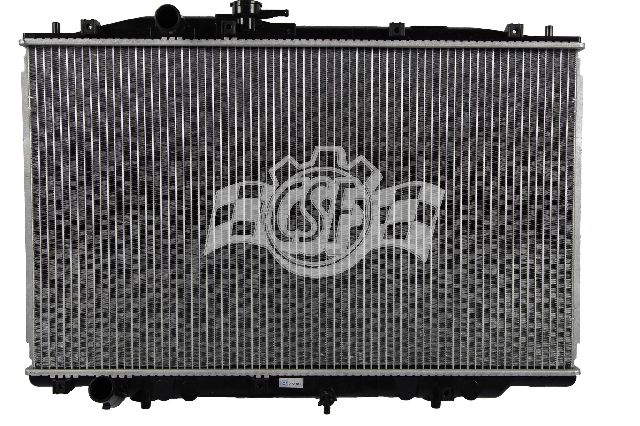
- Koyorad & CSF: These brands are well-respected in the import community for producing high-quality radiators that meet or exceed OEM standards. They sometimes offer all-aluminum versions for improved durability and cooling.
- Nissens: A reputable European brand known for excellent quality control and engineering.
Tier 2: Standard Aftermarket Brands
These brands offer a good balance of price and quality for a daily driver.
- Spectra: A very common and generally reliable aftermarket brand that offers a good fit and function for the price.
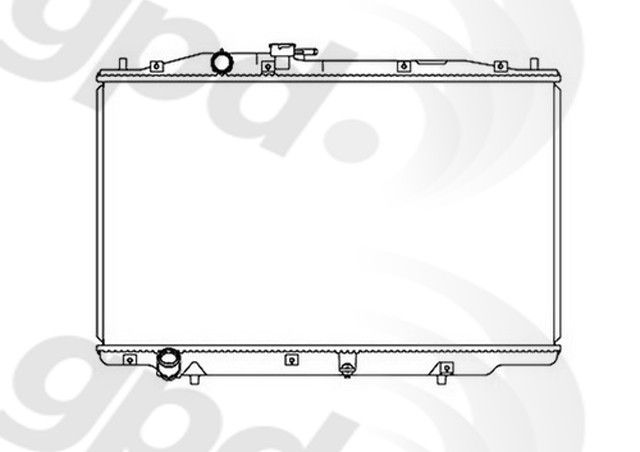
- APDI / Global Parts / Onix: These are budget-friendly options that can get the job done. While they may not have the same long-term reputation as Tier 1 brands, they provide a functional replacement.
Pro Tip: Replace More Than Just the Radiator
While you are replacing the radiator, it is highly recommended to also replace the radiator cap, upper and lower radiator hoses, and thermostat. These parts are inexpensive and wear out over time. Replacing them all at once prevents a different part of the old cooling system from failing and causing another problem down the road.
Cost of Replacing Your Acura TL Radiator
| Item | Estimated Cost |
|---|---|
| New Aftermarket Radiator | $110 - $340 |
| New OEM Radiator | $250 - $740 |
| Shop Labor | $150 - $400 |
| Total Professional Replacement (Aftermarket Part) | $260 - $740 |
| Total Professional Replacement (OEM Part) | $400 - $1140+ |
Frequently Asked Questions (FAQ)
What is the 'strawberry milkshake' and how do I check for it?
The 'strawberry milkshake' is a pink, foamy mixture of coolant and transmission fluid. It happens when the transmission cooler inside the radiator breaks. To check, open your coolant overflow reservoir (the plastic tank) when the engine is cool. If the fluid is pink and thick instead of blue or green, you have this problem. Do not start the engine.
Are there any recalls on the 2002-2007 Acura TL radiator?
No, there are no specific recalls issued by Acura or the NHTSA for the radiator on these vehicles. There was a service bulletin related to a transmission oil cooler line that could cause transmission overheating, but not a direct radiator recall.
Is it hard to replace the radiator myself?
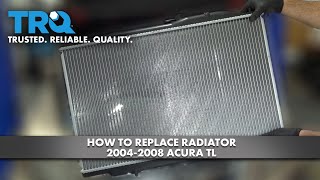
For a DIYer with some experience, the job is very manageable. It typically takes 1-3 hours and requires basic hand tools. 🎬 Watch: A complete walkthrough for replacing your 2004-2008 radiator. You will need to drain the cooling system, disconnect hoses and fans, swap the radiator, and then refill and bleed the air from the system.
Should I buy an all-aluminum radiator?
For most daily drivers, a high-quality OEM-style radiator with plastic tanks and an aluminum core (like Denso) is perfectly fine. All-aluminum radiators eliminate the plastic tanks, which are a common failure point, and can offer better cooling. They are a good upgrade, especially for performance-modified cars, but are not essential for a stock vehicle.
Helpful Videos
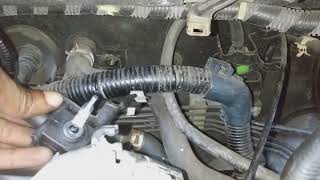
Technical Specifications
OEM Part Numbers: 19010-PGE-A51 (2002-2003) 19010-RDA-A52 (2004-2006) 19010-RDA-A61 (2004-2006) 19010-RDA-A62 (2007-2008 Type-S)
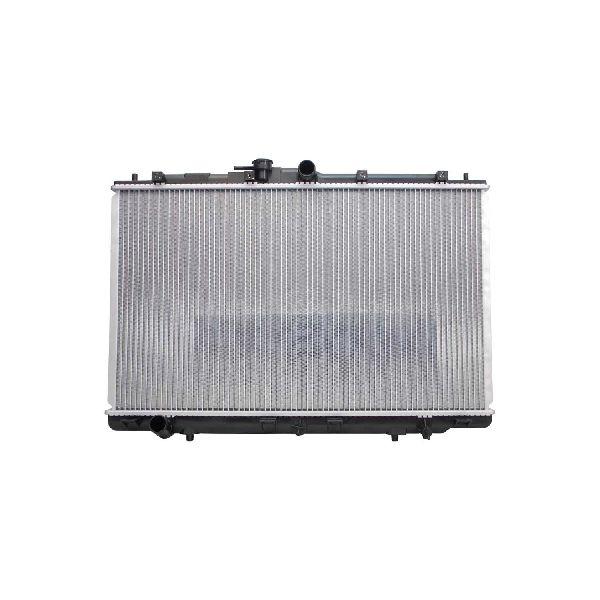
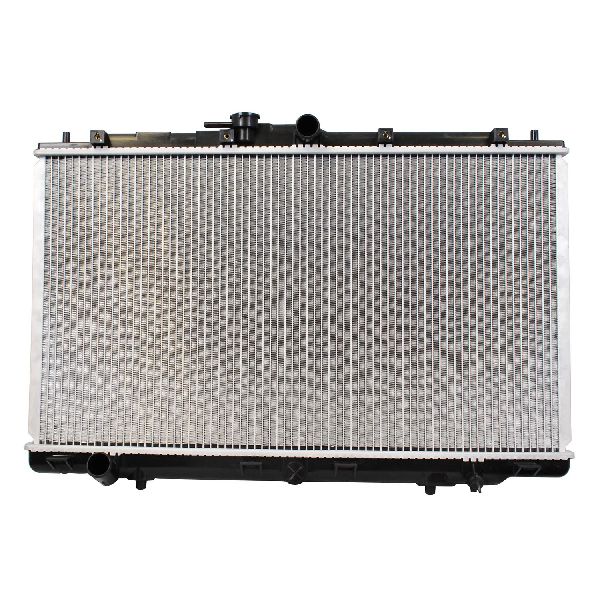
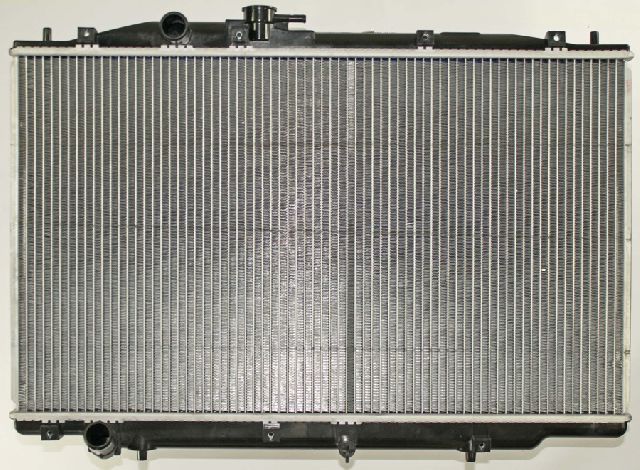
Core Material: Aluminum; Tank Material: Plastic. Includes integrated automatic transmission fluid cooler in the bottom tank.
We Have This Part in Stock

The information in this article is provided for general reference and educational purposes only. Vehicle specifications, procedures, and part compatibility can vary by production date, trim level, and region. Always consult your vehicle's factory service manual and verify part numbers before purchasing or performing repairs. Safety-critical components such as airbags, seat belts, and braking systems should be installed by a qualified professional.
- Acura TL:
- 🎬 Helpful Videos
- 🛍️ Shop This Part
- Is Your Acura TL Radiator Failing?
- Key Symptoms of a Bad Radiator:
- CRITICAL WARNING: The 'Strawberry Milkshake' of Death
- Common Ordering Mistake: Know Your TL Generation
- Choosing the Right Aftermarket Radiator
- Tier 1: OEM-Equivalent and Performance Brands
- Tier 2: Standard Aftermarket Brands
- Pro Tip: Replace More Than Just the Radiator
- Cost of Replacing Your Acura TL Radiator
- Frequently Asked Questions (FAQ)
- 🎟️ Get 5% Off