

A Dodge Caravan Owner's Guide to HVAC Heater Hose Replacement (2002-2007)
Leaking coolant or no heat in your Caravan? Your heater hose is the likely culprit.
- A coolant leak or sweet smell are urgent warning signs; do not ignore them.
- Confirm if your van has a rear heater before ordering parts, as the hoses are different.
- Aftermarket brands like Gates, Dayco, and Continental are reliable and cost-effective choices for this repair.
- Replacing the hoses that run to the rear heater is a much bigger job than replacing the front hoses alone.
Is Your Caravan's Heater Hose Failing?
Heater hoses are made of rubber and metal and are exposed to constant heat and pressure. Over time, they will wear out. Ignoring the signs can lead to major engine damage from overheating. Watch for these symptoms:
- Coolant Puddles: Finding green, orange, or pink fluid on the ground under the passenger side of the engine is a classic sign of a heater hose leak.
- Sweet Smell: Antifreeze has a distinct sweet smell. If you notice this smell inside or outside your van, you have a coolant leak.
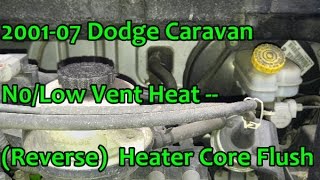
- No Cabin Heat: If the hose is clogged, or if a leak has caused the coolant level to drop too low, you won't get warm air from your vents. 🎬 See how to perform a heater core flush for better heat. You might notice one hose at the firewall is hot while the other is cold.
- Engine Overheating: A leaking heater hose is a leaking cooling system. Losing too much coolant will cause your engine's temperature gauge to climb into the red, which is a critical situation.
- Steam from Engine Bay: Coolant dripping onto a hot engine or exhaust pipe will turn into steam, which can look like white smoke. 🎬 Watch this easy fix for coolant loss and engine smoke.
Known Issues for 2002-2007 Caravans
While there are no official safety recalls for the heater hoses on these vans, some problems are very common. Many owners have reported leaks from the long metal tubes that run to the rear heater core. These tubes are exposed to road salt and moisture, causing them to rust and develop pinhole leaks. In April 2006, Chrysler issued a Technical Service Bulletin or TSB (number F06) related to replacing these underbody heater hoses, indicating it was a known problem area. Some hose assemblies also use plastic connectors that can become brittle and crack over time.
Choosing the Right Aftermarket Heater Hose
When shopping for a replacement, you'll find OEM (Original Equipment Manufacturer) and aftermarket options. For this specific part on the Caravan, a quality aftermarket hose offers excellent value and durability, often matching or exceeding the original part's lifespan, especially since the original designs had known issues like rusting pipes.
Pro Tip: Before you buy, confirm if your van has a rear heater. The hose assemblies are different. Also, check if your specific hose uses simple clamps or special quick-disconnect fittings, as this can affect installation.
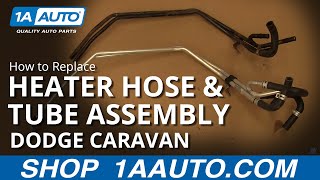
🎬 Follow this step-by-step walkthrough to replace the hose and tube assembly.The main aftermarket brands you will find are Continental, Dayco, and Gates. All three are established brands that produce reliable hoses. There isn't a single "best" brand, as all have a solid reputation among mechanics.
- Gates: Often considered a top-tier replacement part. Mechanics trust Gates for good fitment and durability.
- Dayco: Another high-quality option. Some mechanics note that Dayco hoses can feel slightly thicker than other brands.
- Continental: A major OEM supplier, their aftermarket parts (often branded ContiTech) are also made to high standards and are a dependable choice.
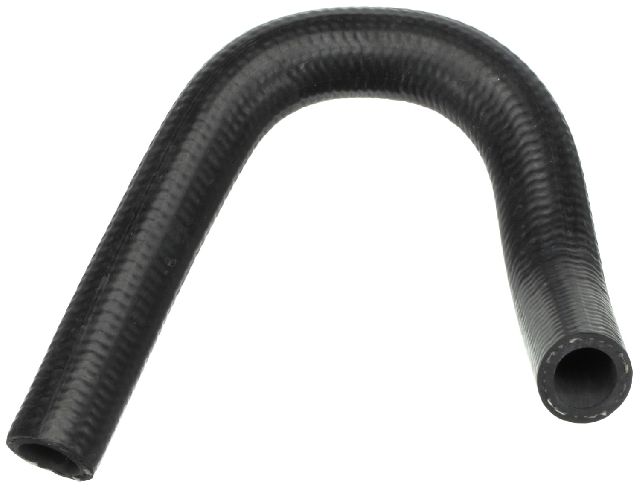
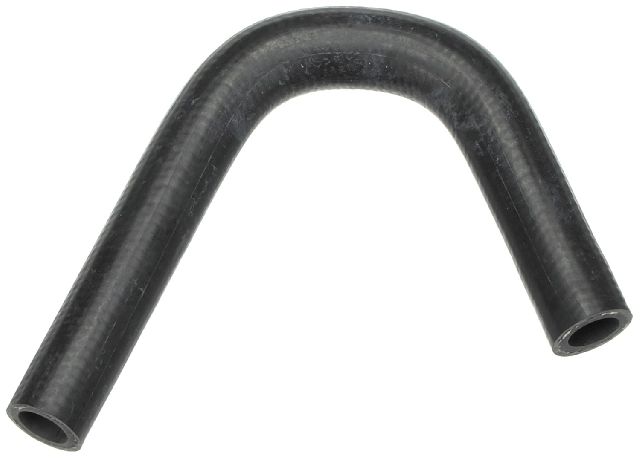
Your choice between these three can confidently be based on price and availability. The most important factor is ensuring the hose's shape and bends match the part you are replacing.
| Part Type | Estimated Cost |
|---|---|
| New Aftermarket (Continental, Dayco, Gates) | $11.67 - $81.22 |
| New OEM (Mopar) | $90 - $250 |
| Shop Labor | $200 - $400 |
Labor costs can vary widely. Replacing the full front-to-rear heater hose assembly is much more time-consuming than replacing a single front hose, and the price will reflect that.
Frequently Asked Questions (FAQ)
Should I replace both heater hoses at the same time?
Yes. It is highly recommended. Both hoses have been exposed to the same age, heat, and pressure. If one has failed, the other is likely not far behind. Replacing them together saves you from having to do the job twice.
Is replacing a Caravan heater hose a DIY job?
It can be, but it's not always easy. Access to the connections at the firewall can be very tight. Many DIYers find they need to remove the plastic wiper cowl assembly to get enough room to work. For the long hoses that go to the rear heater, the job is more complex. If you are not comfortable working in tight spaces or draining and refilling coolant, it may be best to leave this to a professional.
What's the best way to remove a hose that is stuck?
After many years and heat cycles, rubber hoses can feel glued to the metal fittings. Do not damage the metal pipe by prying too hard. After removing the clamp, use pliers to gently twist the hose back and forth to break the seal. If it's still stuck, the best method is to carefully cut a slit in the old hose with a utility knife where it sits over the fitting, then peel it off. Since you are replacing the hose anyway, there is no harm in cutting the old one.
Do I need a special tool for the clamps?
Most original clamps are spring-type. While you can use regular pliers, a set of hose clamp pliers makes the job much easier by locking the clamp in the open position. Some connections may use a plastic "quick-disconnect" fitting, which requires you to press on tabs to release it.
Helpful Videos
Technical Specifications
OEM Part Numbers: 5005349AC 5005348AC
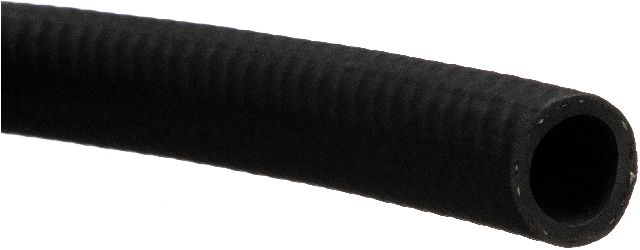
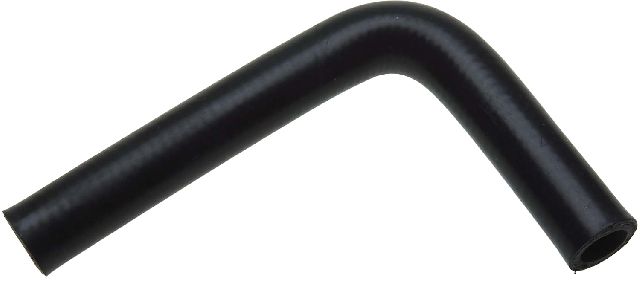
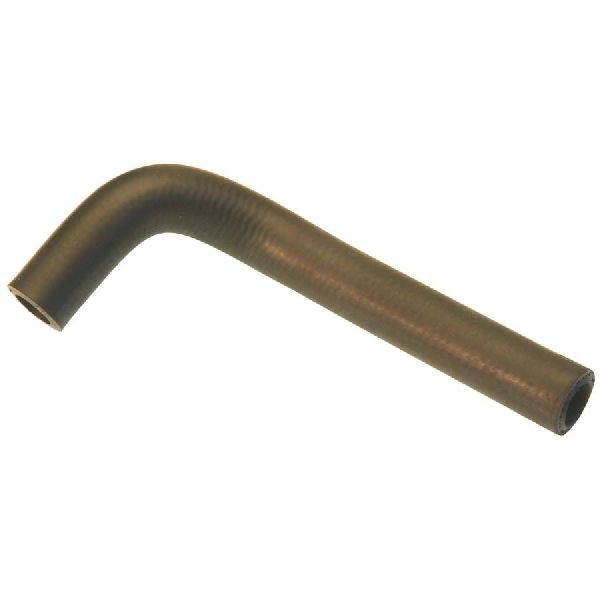
Hose assemblies can be a combination of molded rubber and steel or aluminum tubing. Some are simple hoses, while others are complex assemblies with multiple branches and fittings for vehicles with rear heat and/or engine oil coolers.
We Have This Part in Stock


The information in this article is provided for general reference and educational purposes only. Vehicle specifications, procedures, and part compatibility can vary by production date, trim level, and region. Always consult your vehicle's factory service manual and verify part numbers before purchasing or performing repairs. Safety-critical components such as airbags, seat belts, and braking systems should be installed by a qualified professional.
- Dodge Caravan: