

Dodge Ram 1500 Throttle Position Sensor (TPS) Guide (2002-2007)
Having throttle problems with your Ram? Here’s what you need to know about the TPS.
- First, confirm your engine. If you have a 5.7L Hemi (2004+), you likely need a whole new throttle body, not just the sensor.
- A bad TPS causes a wide range of issues, from rough idling and stalling to poor acceleration and bad shifting.
- Replacement on non-Hemi engines is very easy, requiring only basic tools and about 30 minutes.
- Don't cheap out. For this critical sensor, stick with Mopar or premium aftermarket brands like Delphi, NGK, or Standard Ignition for best results.
Is Your TPS Replaceable? A Critical Note for Hemi Owners

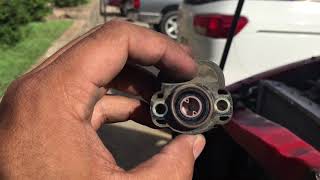
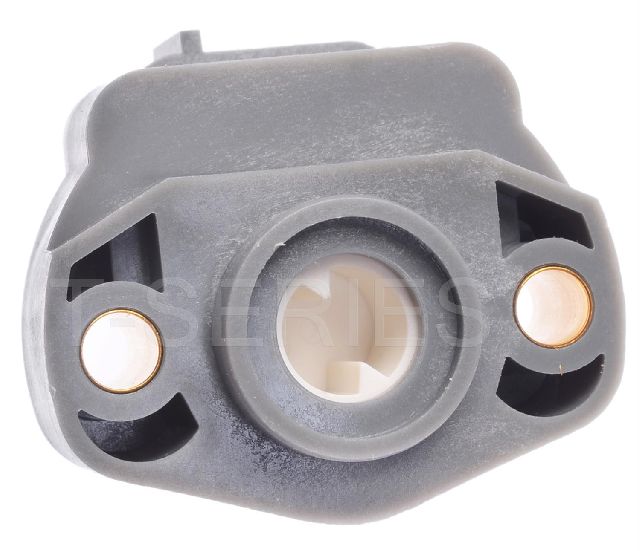
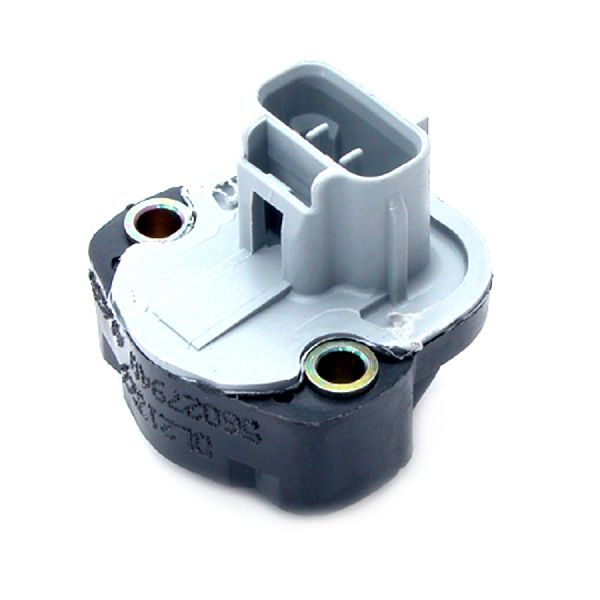
This is the most important thing to know before buying a part. On 2002-2007 Ram 1500s with the 3.7L V6, 4.7L V8, and 5.9L V8 engines, the Throttle Position Sensor (TPS) is a separate part that can be unbolted and replaced.
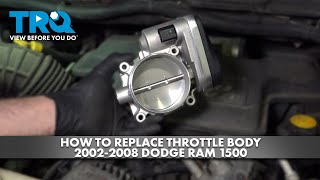
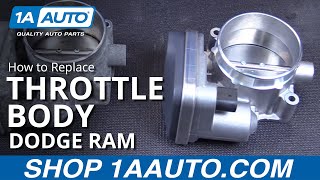
However, on models with the 5.7L Hemi engine starting in 2004, Dodge switched to a 'drive-by-wire' system. For these trucks, the TPS is built into the entire throttle body assembly and is not sold as a separate, replaceable part. If you have a 5.7L Hemi and a bad TPS, you must replace the entire throttle body. Always verify your engine type before ordering.
Symptoms of a Failing Throttle Position Sensor

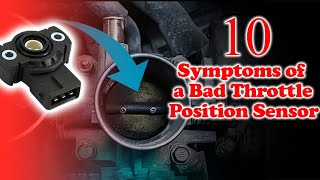
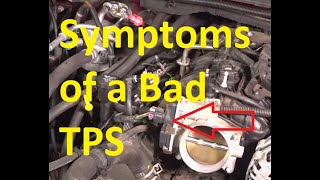
When a TPS starts to go bad, it sends incorrect information to your truck's computer. This can cause a lot of confusing problems that might seem unrelated. Common signs include:
- Rough or High Idle: The engine may idle erratically, surging up and down, or idling much higher than normal.
- Hesitation or Stalling: You might notice a stumble or delay when you press the gas pedal. The engine could even stall completely when you come to a stop.
- Poor Acceleration & Lack of Power: The truck may feel sluggish, like it's not responding when you push the pedal.
- Sudden Surges in Speed: The truck might unexpectedly lurch or accelerate without you pressing the pedal harder, which can be dangerous.
- Check Engine Light: A failing TPS will almost always trigger the Check Engine Light or the Electronic Throttle Control (ETC) light, which looks like a red lightning bolt. Common trouble codes are P0121, P0122, and P0123.
- Bad Shifting: Automatic transmissions rely on TPS data to shift gears properly. A bad sensor can cause harsh or delayed shifts.
Choosing the Right Aftermarket TPS

With a critical sensor like the TPS, quality matters. A cheap, poorly made sensor can fail quickly, leaving you with the same problems. Here’s a breakdown of your options:
Tier 1: OEM & Premium Aftermarket
These are your best bet for reliability and a long service life. They are built to meet or exceed the original factory specifications.
- Mopar (OEM): The original factory part. It's the benchmark for quality but is also the most expensive option.
- Delphi, NGK, Standard Ignition (SMP): These are well-respected brands that often manufacture original parts for automakers. They offer OEM-level quality, often at a lower price than Mopar.
Tier 2: Reputable Aftermarket Brands
These brands offer a good balance of price and quality. They are a solid choice for a daily driver.
- Dorman: A very popular aftermarket brand. Dorman sometimes redesigns parts to fix original flaws. Quality can be very good, though experiences can vary.
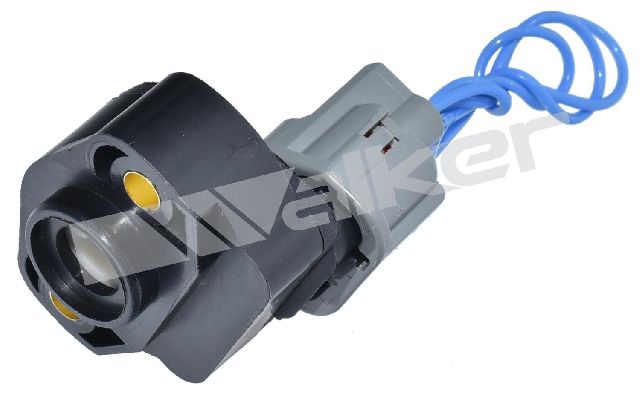
- Walker Products: A long-standing company in fuel and engine management parts.
Tier 3: Budget Brands
This category includes various lower-cost brands like 'Replacement' or other private labels. While the low price is tempting, be aware that the internal components may not be as durable. These can be a short-term fix, but failure rates are often higher.
Pro Tip: Before replacing the sensor, try a TPS recalibration or 'relearn' procedure (see FAQ below). Sometimes this can fix minor issues, especially after cleaning the throttle body or disconnecting the battery. It costs nothing to try.
Cost of Replacing a Dodge Ram 1500 TPS
| Part Type | Typical Cost |
|---|---|
| New OEM (Mopar) Sensor | $60 - $90 |
| New Aftermarket Sensor | $27 - $120 |
| Shop Labor (if applicable) | $100 - $150 |
| Total Professional Replacement | $130 - $270 |
Frequently Asked Questions

Do I need to 'relearn' or calibrate the new sensor?
Yes, it's a good practice. For cable-driven throttles (non-Hemi), try this simple recalibration: Turn the key to the 'ON' position (don't start the engine). Slowly press the gas pedal all the way to the floor. Slowly release it. Turn the key 'OFF'. For drive-by-wire Hemi trucks that require a full throttle body replacement, the relearn procedure is to disconnect the negative battery cable for about 90 seconds, reconnect it, turn the ignition to 'ON' for at least 10 seconds, then turn it off before starting.
I have a 5.7L Hemi. Can I just replace the sensor?
No. On 2004 and newer models with the 5.7L Hemi, the sensor is integrated into the throttle body and is not sold separately. You must buy the complete throttle body assembly. Attempting to install a standalone sensor will not work.
What's the difference between a TPS and an APPS?
The TPS (Throttle Position Sensor) is on the throttle body in the engine bay. The APPS (Accelerator Pedal Position Sensor) is part of the gas pedal assembly inside the cab. Both work together in drive-by-wire systems. While they can cause similar symptoms, they are two different parts.
Are there any recalls for the TPS on these trucks?
Based on searches of the National Highway Traffic Safety Administration (NHTSA) database, there are no specific recalls for the throttle position sensor on the 2002-2007 Dodge Ram 1500.
Helpful Videos

Technical Specifications
OEM Part Numbers: 68404428AA 5019411AB 5019411AC 5019411AD
This guide applies to the standalone Throttle Position Sensor found on 3.7L, 4.7L, and 5.9L engines, and early (2003) 5.7L Hemi engines. It does not apply to the integrated sensor in 2004-2007 5.7L Hemi throttle bodies.
We Have This Part in Stock


The information in this article is provided for general reference and educational purposes only. Vehicle specifications, procedures, and part compatibility can vary by production date, trim level, and region. Always consult your vehicle's factory service manual and verify part numbers before purchasing or performing repairs. Safety-critical components such as airbags, seat belts, and braking systems should be installed by a qualified professional.
- Dodge Ram 1500: