

A Guide to Replacing Shock Absorbers on the 2002-2007 Ford E-150
Control your van's ride and improve handling by choosing the right new aftermarket shock absorbers for your E-150.
- Worn shocks cause a bouncy ride, poor handling, and uneven tire wear (cupping).
- For a factory ride, choose KYB or Monroe; for heavy loads or towing, upgrade to Bilstein B6 shocks for significantly better control.
- Replacing shocks is a manageable DIY job, but accessing the front upper nuts can be difficult.
- Always replace shocks in pairs (front or rear) to maintain vehicle stability.
Is It Time for New Shocks?
Shocks wear out gradually, so you might not notice the slow decline in ride quality. However, there are clear signs that your E-150's shocks are failing. Ignoring them can lead to poor handling and faster wear on other suspension parts and tires.
Key Symptoms of Worn Shocks:
🎬 Watch: 5 simple ways to tell if your shocks are bad.- Excessive Bouncing: After hitting a bump, your van continues to bounce up and down. A simple test is to push down hard on a corner of the bumper; if it bounces more than once or twice, the shocks are likely worn.
- Nose-Diving or Squatting: The front of the van dips excessively when you brake, or the rear squats down when you accelerate.
- Swaying and Rolling: The van feels unstable, sways in crosswinds, or rolls excessively on turns. This can feel like a loss of control, sometimes described as "bump steer."
- Uneven Tire Wear: Worn shocks can cause tires to bounce slightly, leading to a distinctive wear pattern called "cupping" or "scalloping," where scoops of rubber are worn off the tread.
- Fluid Leaks: Oily fluid seen leaking down the body of the shock absorber is a definite sign of failure.
- Clunking Noises: A clunking or knocking sound when going over bumps can indicate worn-out shocks or their mounting hardware.
Known Issues and Service Bulletins
For the 2002-2007 Ford E-150, there are no specific recalls for shock absorbers. However, Ford has issued Technical Service Bulletins (TSBs) for related issues. TSB #05248 addresses a vibration or harshness felt above 45 MPH that can persist even after balancing the tires, which could be related to suspension damping. Another, TSB #17520, notes a potential "clunk from front suspension." While these aren't recalls, they show that suspension noises and vibrations are known issues for this van generation.
Choosing the Right Aftermarket Shocks for Your E-150
Original Equipment (OEM) shocks on these vans were typically made by major domestic brands like Monroe or Gabriel and provide a standard ride. Aftermarket options offer a chance to either restore that original feel or upgrade it for better performance, especially if you carry heavy loads or tow.
Good: Economy Replacements
Brands like FCS Struts and PRT offer a low-cost way to replace completely failed shocks and restore basic function. They are a suitable choice if budget is the primary concern and you use your van for light-duty tasks. They will improve the ride over worn-out shocks but may not offer the longevity or refined control of more expensive options.
Better: OE-Quality Replacements
This tier includes well-known brands that likely manufactured the original parts for Ford. They are designed to restore the factory ride and handling characteristics.
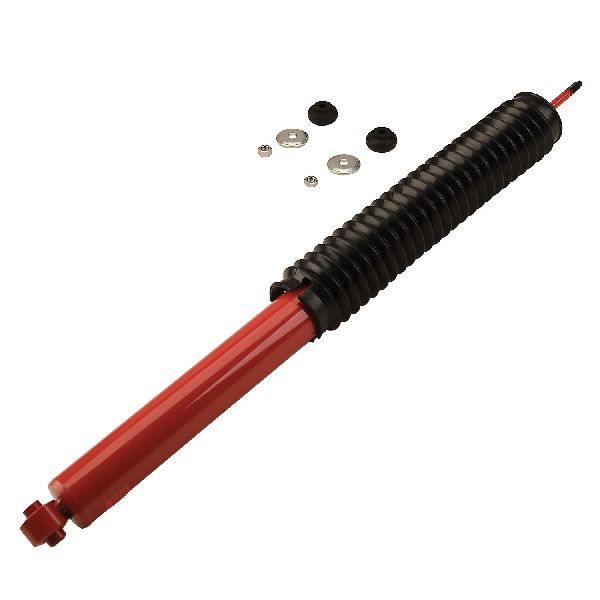
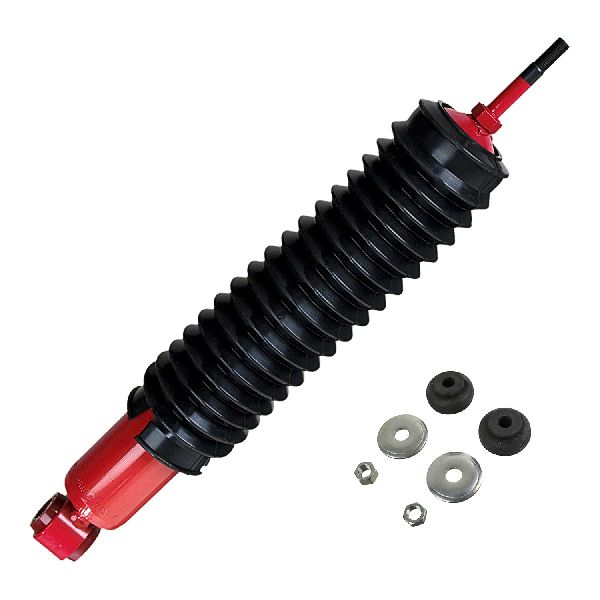
- Monroe: A very common choice, with options like the Gas-Magnum designed specifically for trucks and vans. They provide firm control without a harsh ride and are considered a reliable standard replacement.
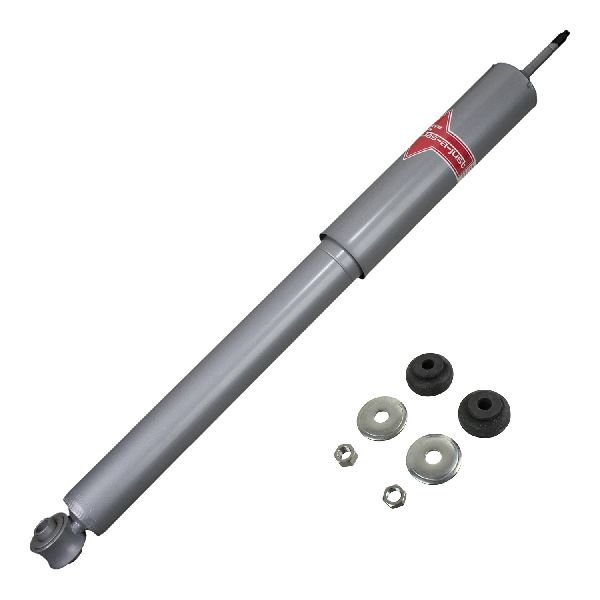
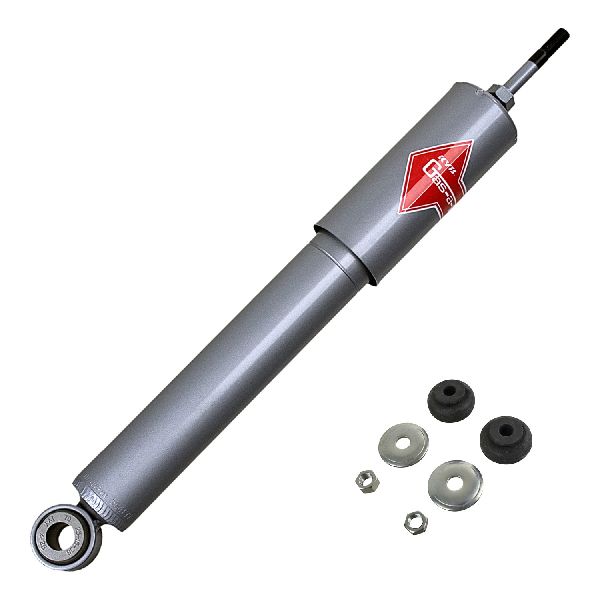
- KYB: The Gas-a-Just model is a popular monotube shock that offers a step up in control from basic twin-tube designs. Many owners find them to be a good balance of performance and price, often considered superior to standard Monroe shocks.
- Sachs: As a major OE supplier, Sachs shocks are known for quality and delivering performance equivalent to the Bilstein B4 (OE replacement) series. They are a solid choice for restoring the original ride feel.
Best: Heavy-Duty & Performance Upgrades
If you frequently haul heavy loads, tow a trailer, or have a camper conversion, upgrading your shocks is highly recommended. These shocks provide superior damping and heat resistance, which translates to better control and safety.
- Bilstein: The B6 (Heavy Duty) series is widely regarded as the top-tier upgrade for the E-150. Their monotube design offers consistent, fade-free performance and significantly improves ride quality and handling under load. While they are the most expensive option, owners consistently report they are worth the investment for their durability and control.
A Note on Installation
Replacing the shocks on a 2002-2007 E-150 is a feasible DIY project for those with mechanical experience. The front shocks can be tricky due to tight access to the top mounting nut inside the engine bay. 🎬 See this clever trick for accessing tricky front shock nuts. The rear shocks are generally more straightforward but may require a jack to manipulate the axle for alignment. 🎬 Follow this walkthrough to replace your rear shocks safely. Rusted bolts are a common issue, so be prepared with penetrating oil.
| Part Type | Price Range (Set of 4) |
|---|---|
| New Aftermarket (Economy) | $125 - $200 |
| New Aftermarket (OE-Quality) | $200 - $350 |
| New Aftermarket (Heavy-Duty/Performance) | $350 - $550 |
| Shop Labor | $152 - $222 |
Frequently Asked Questions
Do I need to replace all four shocks at once?
It is highly recommended to replace shocks in pairs (both front or both rear) at a minimum. Replacing all four at the same time ensures balanced handling and stability. Mismatched shocks can cause unpredictable vehicle behavior.
What's the difference between a standard and a heavy-duty shock?
Standard shocks are designed for the typical passenger or light cargo load the van was built for. Heavy-duty shocks, like the Bilstein B6, have larger pistons and more robust valving to better control the extra weight of constant cargo, camper conversions, or trailers. They prevent sagging and improve stability under load.
Will new shocks fix my van's harsh ride?
It depends. If the harshness is from uncontrolled bouncing, new shocks will solve it. However, E-Series vans are trucks and have a naturally firm ride, especially when empty. If the ride is stiff and jarring, the issue might be with springs or even overinflated tires. Shocks control bounce; they don't soften the springs.
Do I need a wheel alignment after replacing my shocks?
On a 2002-2007 Ford E-150, the shock absorbers are not a structural part of the alignment angles. Therefore, a wheel alignment is not technically required after a shock replacement. However, if your old shocks were very worn, they may have been contributing to tire wear issues, so an alignment check is good practice.
Helpful Videos
Technical Specifications
OEM Part Numbers: 6C2Z18124B 7C2Z18125B
The 2002-2007 Ford E-150 uses a conventional twin-tube or monotube shock absorber design. It does not use a strut assembly. The front suspension is a Twin I-Beam design, and the rear is a leaf spring with a solid axle. Shocks are mounted with an eyelet at the bottom and a stem mount at the top.
We Have This Part in Stock


The information in this article is provided for general reference and educational purposes only. Vehicle specifications, procedures, and part compatibility can vary by production date, trim level, and region. Always consult your vehicle's factory service manual and verify part numbers before purchasing or performing repairs. Safety-critical components such as airbags, seat belts, and braking systems should be installed by a qualified professional.
- Ford E-150:
- 🎬 Helpful Videos
- 🛍️ Shop This Part
- Is It Time for New Shocks?
- Key Symptoms of Worn Shocks:
- Known Issues and Service Bulletins
- Choosing the Right Aftermarket Shocks for Your E-150
- Good: Economy Replacements
- Better: OE-Quality Replacements
- Best: Heavy-Duty & Performance Upgrades
- A Note on Installation
- Frequently Asked Questions
- 🎟️ Get 5% Off