

Ford F-150 A/C Compressor Guide for 2002-2007 Models
Keep your F-150's air conditioning blowing cold by understanding what to look for in a new A/C compressor.
- A catastrophic failure known as "Black Death" can contaminate the entire A/C system, requiring a full system flush and replacement of multiple parts.
- Always replace the A/C accumulator/drier and orifice tube when installing a new compressor to ensure system longevity and warranty compliance.
- The A/C compressor is different for 10th generation (2002-03) and 11th generation (2004-07) F-150s; verify you have the correct part for your year.
- Due to refrigerant handling laws and the need for specialized equipment, A/C compressor replacement is best left to a professional mechanic.
Is Your F-150's A/C Blowing Warm Air?
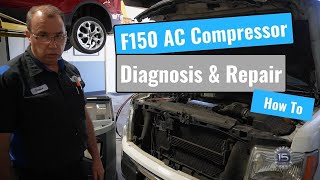
When the A/C in your 2002-2007 F-150 stops working, a failed compressor is a common cause. Symptoms often start with the air not getting as cold as it used to. You might also hear unusual noises like grinding, squealing, or chattering from the engine bay when you turn the A/C on. Another clear sign is if you no longer hear the distinct "click" of the A/C clutch engaging when you activate the system. 🎬 Watch this video to help diagnose your compressor issues. In some cases, you might see oily residue around the compressor, indicating a refrigerant leak, or even smell a burnt-metal odor if the compressor has seized.
Warning: Catastrophic Compressor Failure or "Black Death"
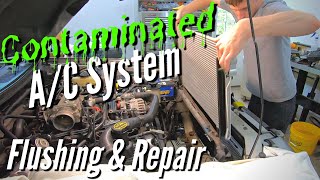
A major concern with these systems is a catastrophic failure known as "Black Death." This is when the compressor internally self-destructs, sending metal shavings and contaminated oil throughout the entire A/C system. This creates a thick, black sludge that can clog other components like the condenser, orifice tube, and evaporator. If this happens, simply replacing the compressor is not enough. The new compressor will quickly fail due to the contamination. The only correct fix is to replace the compressor, accumulator/drier, and orifice tube, and to thoroughly flush the rest of the system.
🎬 See how to properly flush a contaminated A/C system.Choosing the Right Aftermarket A/C Compressor
When shopping for a new aftermarket compressor, you'll find several brands. Quality can vary, and for a job this labor-intensive, you don't want to do it twice. The success of the repair often depends as much on the installation quality as the part itself.
- Premium Brands (OEM-Equivalent): Brands like Denso and Valeo are often the original equipment manufacturers for Ford and other automakers. Choosing one of these new aftermarket units is the safest bet for long-term reliability, quiet operation, and factory-level performance.
- Standard Aftermarket Brands: Four Seasons is a well-known aftermarket brand that has been around for a long time. Owner experiences can be mixed, with some reporting long life and others seeing premature failure. They are a common, budget-friendly choice that can be reliable if the system is properly flushed and prepared during installation.
- Economy Brands: Generic or store-brand parts (often labeled "Replacement" or "UAC") are the most affordable. While they can work for an immediate fix, their long-term durability can be a gamble. Given the high labor cost of a compressor replacement, saving a small amount on the part itself is a risk.
Pro Tip: Always Buy a Kit
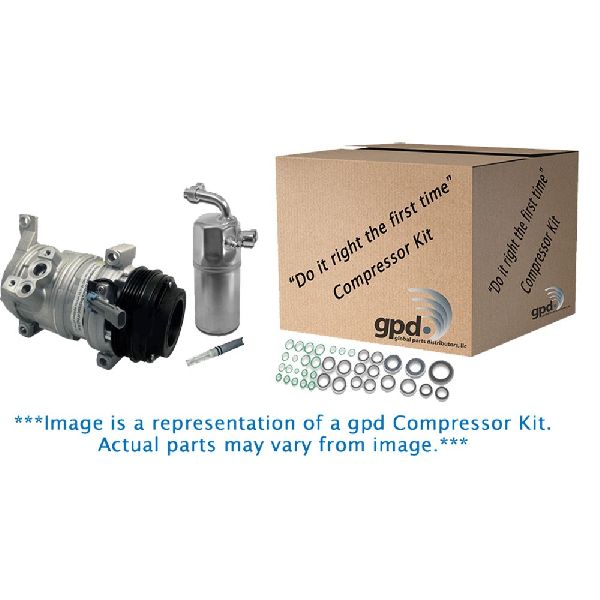
Regardless of the brand you choose, it is highly recommended to purchase an A/C kit that includes a new compressor, accumulator/drier, and orifice tube. Replacing these components at the same time is critical for the longevity of your new compressor and is often required to keep the part's warranty valid.
Cost of Replacing an F-150 A/C Compressor
The total cost can vary based on your location and the parts you choose. Below is a general estimate of what you can expect.
| Part or Service | Estimated Cost |
|---|---|
| New Aftermarket Compressor | $178 - $570 |
| New OEM (Motorcraft) Compressor | $450 - $650 |
| Shop Labor (including system evacuation and recharge) | $450 - $650 |
| Total Professional Replacement | $700 - $1300+ |
Frequently Asked Questions
Do I have to replace other parts with the compressor?
Yes. At a minimum, you must replace the accumulator/drier and the orifice tube. The accumulator contains a desiccant bag that absorbs moisture, and it can only hold so much. A new one is essential to keep the system dry and clean. Failure to replace these parts will likely void the warranty on your new compressor and lead to another failure.
Can I replace the A/C compressor myself?
This is an advanced DIY job. While the physical unbolting and re-bolting of the compressor is possible for a skilled home mechanic, the A/C system requires special tools. Legally, the refrigerant must be recovered by a certified technician with a recovery machine before you start. After installation, the system must be held under a deep vacuum to remove air and moisture before being recharged with a precise amount of refrigerant and oil. For these reasons, it is recommended to have a professional shop handle the replacement.
Is there a difference between a 2003 and 2004 F-150 compressor?
Yes, this is a critical point. The 2002-2003 F-150s belong to the 10th generation (along with the 2004 "Heritage" model). The redesigned 11th generation began in 2004. These two generations use different A/C compressors. You must verify the part fits your specific year and model, as they are not interchangeable.
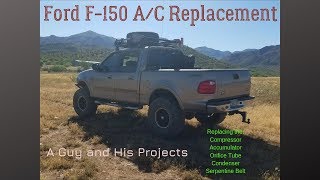
🎬 Watch a step-by-step replacement for 2004-2008 F-150 models.Are there any recalls for the A/C compressor on these trucks?
Searches of the National Highway Traffic Safety Administration (NHTSA) database did not reveal any specific recalls for the A/C compressor itself on 2002-2007 Ford F-150 models. There was a recall for a speed control deactivation switch that could be a fire hazard, but it is unrelated to the A/C system's operation.
Helpful Videos
Technical Specifications
OEM Part Numbers: YCC167
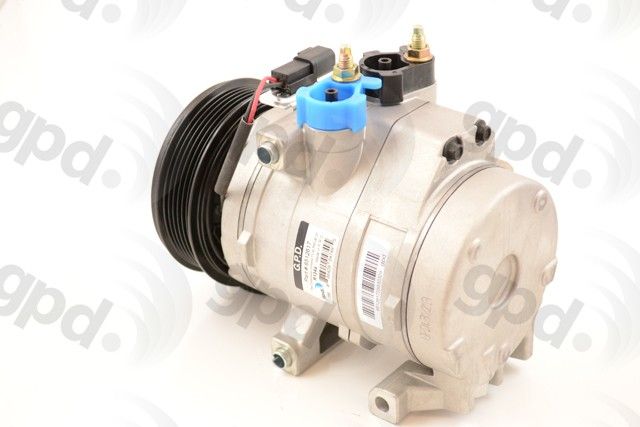
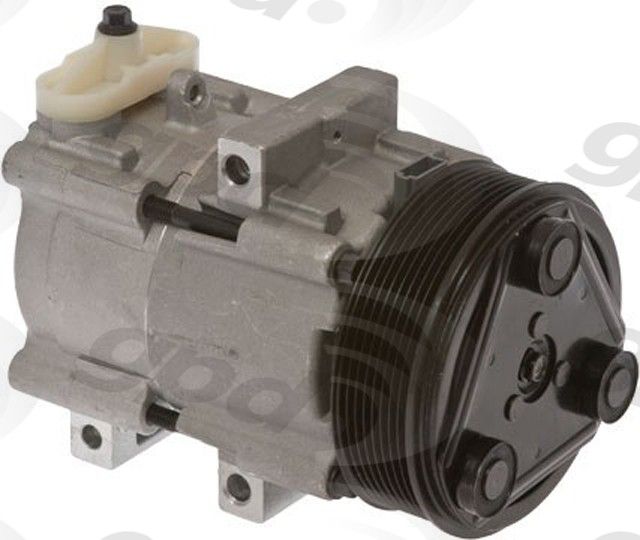
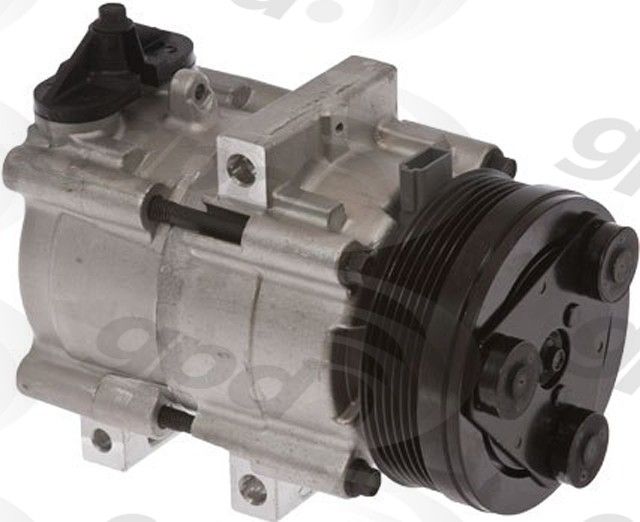
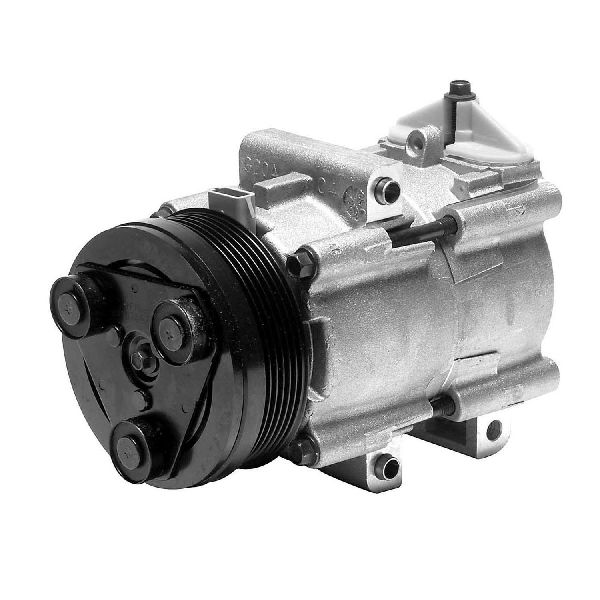
The compressor type is typically a Ford FS10 style. It uses R-134a refrigerant. The pulley will have a 6-groove serpentine design for most models. Always confirm the exact part number and specifications for your truck's specific engine and model year before ordering.
We Have This Part in Stock

The information in this article is provided for general reference and educational purposes only. Vehicle specifications, procedures, and part compatibility can vary by production date, trim level, and region. Always consult your vehicle's factory service manual and verify part numbers before purchasing or performing repairs. Safety-critical components such as airbags, seat belts, and braking systems should be installed by a qualified professional.
- Ford F-150: