

Honda CR-V Vehicle Speed Sensor Guide (2002-2007): Symptoms and Replacement
If your CR-V's speedometer is acting strange or the transmission is shifting hard, your Vehicle Speed Sensor could be the problem.
- A faulty VSS on a 2002-2007 CR-V commonly causes an erratic speedometer and harsh automatic transmission shifting.
- The most common trouble code associated with VSS failure is P0500.
- Replacement is an easy DIY job, taking under 30 minutes with basic tools.
- While OEM is often preferred for Honda sensors, quality aftermarket brands like Standard Ignition or Holstein are viable alternatives.
Is Your CR-V's Speedometer or Shifting Acting Up?

A failing Vehicle Speed Sensor (VSS) is a common issue on the second-generation Honda CR-V. This sensor provides essential data to your vehicle's computer systems. When it starts to fail, it can cause a number of confusing and frustrating problems. Fortunately, diagnosing and replacing it is straightforward.
Symptoms of a Failing Vehicle Speed Sensor

A bad VSS will usually make its presence known through several distinct symptoms. You might experience one or all of these issues:
🎬 Watch: 5 common symptoms of a bad speed sensor- Erratic or Dead Speedometer: The most obvious sign is a speedometer that jumps around, reads an incorrect speed, or doesn't move at all.
- Harsh or Delayed Automatic Shifting: The transmission relies on the VSS to know when to shift. A bad signal can cause hard shifts, delayed shifting, or the transmission getting stuck in one gear.
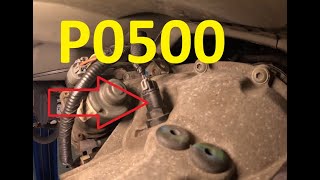
- Check Engine Light: A faulty VSS will often trigger the Check Engine Light and store a diagnostic trouble code, most commonly P0500. 🎬 See how to diagnose and fix the P0500 code
- Cruise Control Not Working: Because the cruise control system needs to know the vehicle's speed to function, a bad VSS will cause it to stop working.
Known Issues & Recalls
There are no specific recalls or Technical Service Bulletins (TSBs) from Honda or the NHTSA for the Vehicle Speed Sensor on the 2002-2007 CR-V. However, there was a significant recall for the driver-side power window switch, which could create a fire risk. It is important to ensure this separate recall has been addressed on your vehicle.
Choosing the Right Aftermarket VSS: OEM vs. Aftermarket

When it comes to sensors on Honda vehicles, many mechanics and owners recommend using the original equipment manufacturer (OEM) part for the best reliability. However, a quality aftermarket sensor can be a good, cost-effective alternative, especially if you choose a reputable brand. For a part like the VSS, which is relatively easy to replace, trying a trusted aftermarket brand is a reasonable choice.
Here's a look at the available brand tiers:
- Standard Ignition (SMP): Often considered a higher-quality aftermarket brand, Standard makes a wide range of sensors and engine management components. They are generally a reliable choice.
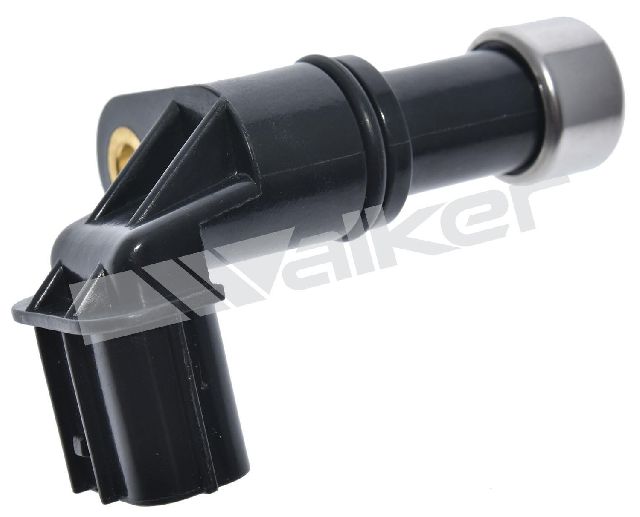
- Walker Products: Walker is another well-known aftermarket brand. Reviews suggest their sensors generally fit well and function correctly, offering good value.
- Holstein: Holstein positions itself as a supplier of OE-quality sensors with a low failure rate and a good warranty. They work with factories that also produce OEM parts.
- Global Parts: This is often a private-label brand, meaning the quality can vary. It represents the most budget-friendly option, but may not have the same long-term reliability as more established brands.
Pro Tip: Before replacing the sensor, check the wiring and connector. A loose or corroded connector can mimic the symptoms of a failed sensor and is a much cheaper fix.
Cost of Replacing a 2002-2007 Honda CR-V VSS
The cost can vary depending on the part you choose and whether you do the work yourself. The job is considered easy for a DIY mechanic.
| Part / Service | Estimated Cost |
|---|---|
| New Aftermarket Part | $40 - $205 |
| New OEM Part | $120 - $250 |
| Shop Labor | $60 - $120 |
| Total (DIY with Aftermarket) | $40 - $205 |
| Total (Shop with Aftermarket) | $100 - $325 |
Frequently Asked Questions

Where is the Vehicle Speed Sensor located on a 2002-2007 Honda CR-V?
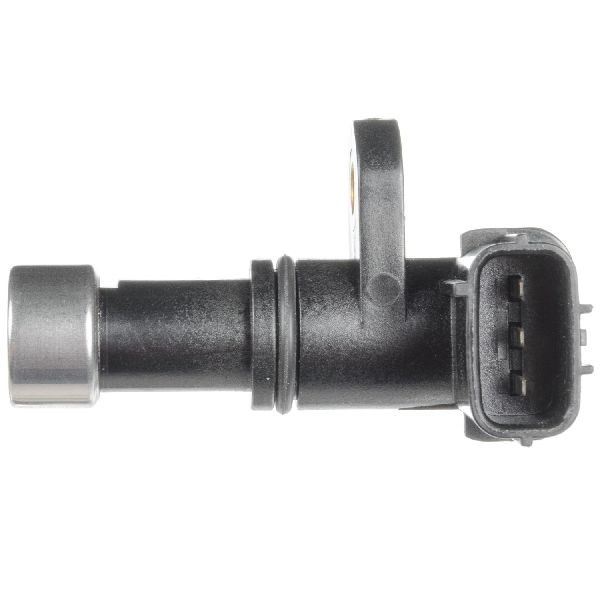
The VSS is located on the top of the automatic transmission housing. It is typically held in place by a single 10mm bolt and has a 3-pin electrical connector. You can access it from the engine bay, usually near the back of the transmission.
Is replacing the VSS a good DIY job?
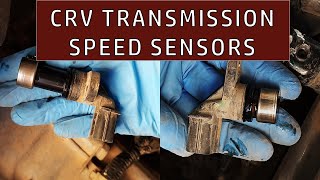
Yes, this is a great job for a beginner or DIY mechanic. It requires basic hand tools (a ratchet with an extension and a 10mm socket) and usually takes less than 30 minutes. 🎬 Watch this easy walkthrough for replacing your CR-V speed sensor The sensor is easy to access on top of the transmission.
Does a bad VSS always trigger a check engine light?
Not always, but it is very common. The sensor can begin to fail intermittently, causing symptoms like a bouncing speedometer or occasional hard shifts before it fails completely and triggers a persistent check engine light.
What is the difference between a Vehicle Speed Sensor and a Wheel Speed Sensor?
The Vehicle Speed Sensor (VSS) measures the speed from the transmission output shaft and is used for the speedometer and transmission control. Wheel Speed Sensors (also called ABS sensors) are located at each wheel and are used by the Anti-lock Braking System (ABS) and traction control systems. While they both measure speed, they serve different systems.
Helpful Videos
Technical Specifications
OEM Part Numbers: 28820-PCJ-014
Located on top of the transmission housing. Typically has a 3-pin electrical connector and is secured by one 10mm bolt.
We Have This Part in Stock


The information in this article is provided for general reference and educational purposes only. Vehicle specifications, procedures, and part compatibility can vary by production date, trim level, and region. Always consult your vehicle's factory service manual and verify part numbers before purchasing or performing repairs. Safety-critical components such as airbags, seat belts, and braking systems should be installed by a qualified professional.
- Honda CR-V: