

A/C Compressor Replacement Guide for the 2002-2007 Mitsubishi Lancer
Get your Lancer's air conditioning blowing cold again by understanding common failures and choosing the right replacement compressor.
- A failing A/C compressor can cause warm air, grinding noises, or intermittent cooling.
- For a complete and lasting repair, you must also replace the receiver/drier and expansion valve.
- Choosing a new aftermarket compressor is more reliable than a remanufactured one for this vehicle.
- The job requires special tools for refrigerant handling; it is not a simple bolt-off, bolt-on repair for most DIYers.
Is Your Lancer's A/C Compressor Failing?
When the A/C compressor in a 2002-2007 Mitsubishi Lancer starts to fail, the signs can range from subtle to obvious. Catching them early can help you plan the repair before you're stuck in the summer heat.
- No Cold Air: The most common symptom. If the air from your vents is warm, and you've confirmed the refrigerant level is okay, the compressor is a likely suspect.
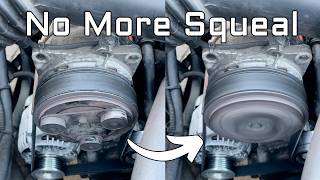
- Strange Noises: A grinding or high-pitched whining sound when you turn the A/C on points to failing internal bearings in the compressor. A rattling or wobbling sound may indicate a failing A/C clutch. 🎬 See how to diagnose and fix a squealing compressor clutch.
- Intermittent Cooling: If the A/C blows cold for a while and then gets warm, especially during long drives or after the engine heats up, the compressor's clutch coil may be failing. Some owners report this happening at highway speeds.
- Visible Clutch Problems: The A/C clutch is the front part of the compressor that engages and disengages. You may see that it's not spinning when the A/C is on, or it might look physically loose or wobbly. In some cases, a failing clutch can repeatedly blow the A/C fuse.
Choosing the Right Aftermarket Compressor
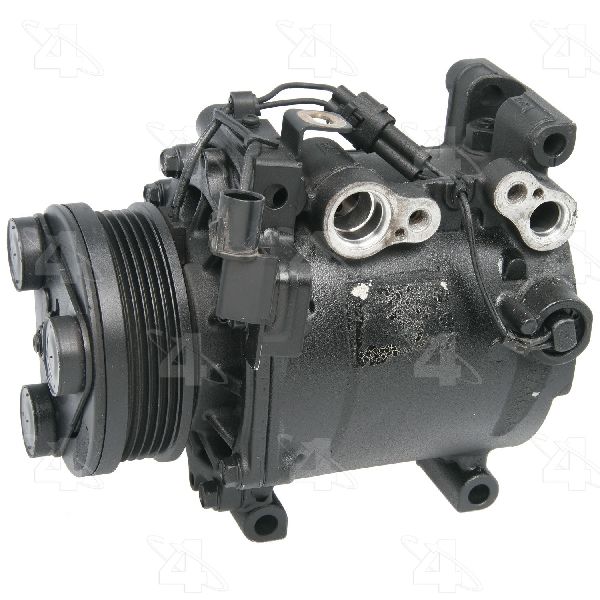
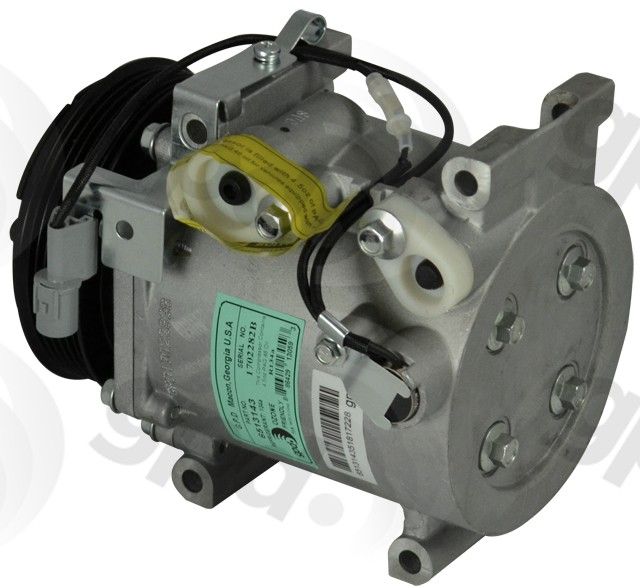
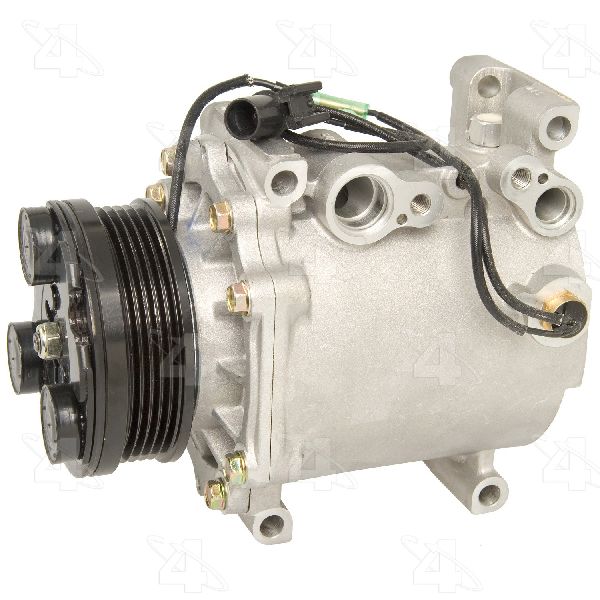
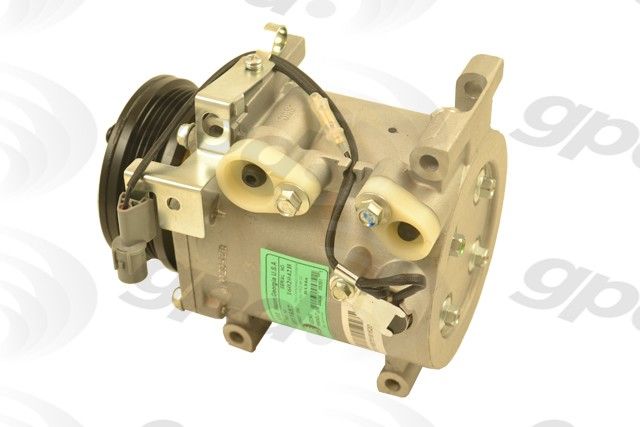
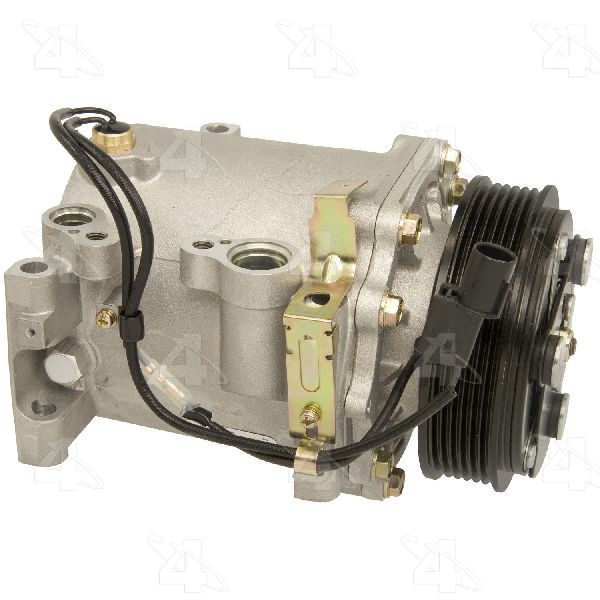
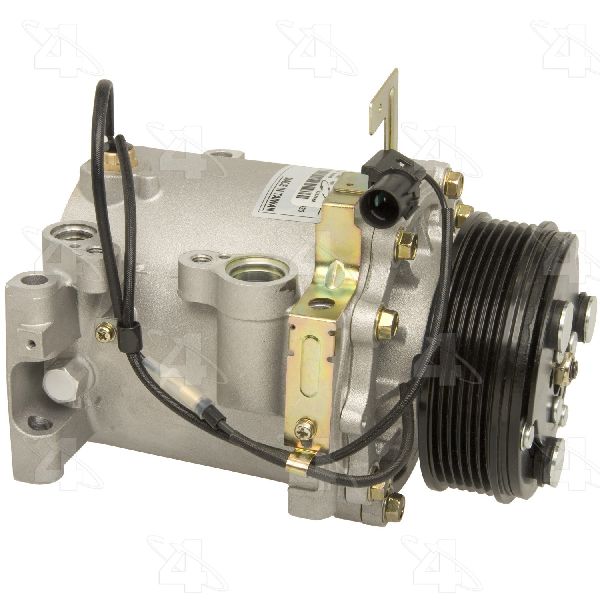
For an older vehicle like the 2002-2007 Lancer, buying a brand-new OEM compressor from Mitsubishi can be very expensive. Aftermarket parts offer a more affordable solution. The most common compressor type for this Lancer is the Mitsubishi MSC90C.
Forum discussions among mechanics and vehicle owners often suggest choosing a new aftermarket compressor over a remanufactured one. While remanufactured parts are cheaper, they have a higher reported failure rate across many brands. Spending a little more on a new unit can save you from doing the job twice.
Aftermarket Brand Quality: Four Seasons & Global Parts
When shopping for your Lancer, you will likely see brands like Four Seasons and Global Parts Distributors (GPD). Online reviews for these brands are mixed. Some users have had Four Seasons compressors last for years, while others report early failures. There is less feedback available for GPD, but like any aftermarket brand, quality can be inconsistent. The key is to ensure the part comes with a warranty. A new aftermarket compressor is a practical choice for this vehicle, but understand that it may not have the same lifespan as the original factory part.
What Will a Replacement Cost?
The total cost depends on whether you do the work yourself or hire a professional. Replacing an A/C compressor requires special tools to safely recover refrigerant and to vacuum and recharge the system.
| Part / Service | Estimated Cost |
|---|---|
| New Aftermarket Compressor | $259 - $388 |
| New OEM Compressor | $840 - $1,512 |
| Shop Labor | $280 - $420 |
| Total Professional Job (Aftermarket Part) 🎬 Watch this step-by-step guide to replacing the compressor yourself. | $540 - $810 |
When you replace the A/C compressor, you must also replace the A/C Receiver Drier (also called an accumulator) and the Expansion Valve. The drier contains a desiccant that absorbs moisture from the system, and it's only designed for one use. Failure to replace these components will void the warranty on your new compressor and likely lead to another failure.
Frequently Asked Questions
Can I just replace the A/C compressor clutch?
Yes, clutch kits are available and can be a cheaper fix if the compressor itself is still good. However, the repair can be difficult without special tools. Also, if the compressor failed internally and sent debris through the system, a new clutch won't solve the problem. Aftermarket clutch kits may also not fit on the original OEM compressor.
What is A/C "Black Death"?
This is a term for a catastrophic compressor failure where internal components shred, sending a black, metal-filled sludge throughout the entire A/C system. If this happens, you must replace the compressor, condenser, receiver/drier, and expansion valve, and thoroughly flush the lines to prevent the debris from destroying your new compressor.
Do I need to add oil to the new compressor?
Most new aftermarket compressors come pre-charged with the correct amount of PAG 46 oil. Always check the documentation that comes with your specific part. If you are flushing the system, you will need to add the correct total amount of oil for the entire system, not just what's in the compressor.
Why does the system need a vacuum?
After the system is opened for repair, it must be put under a deep vacuum for at least 30-45 minutes. This boils off any moisture that entered the system. Moisture mixes with refrigerant to form corrosive acid, which will destroy A/C components from the inside out. This step is critical and cannot be skipped.
🎬 Learn how to properly vacuum and recharge your A/C system.Helpful Videos

![Receiver Drier Replacement [2002 Mitsubishi Lancer]](https://img.youtube.com/vi/KmLiC_HvYsY/mqdefault.jpg)
Technical Specifications
OEM Part Numbers: MR500253 7813A040 MN185233 MR513358
Compressor Type: Mitsubishi MSC90C, Pulley Grooves: 5, Refrigerant: R134a, Oil Type: PAG 46.
We Have This Part in Stock

The information in this article is provided for general reference and educational purposes only. Vehicle specifications, procedures, and part compatibility can vary by production date, trim level, and region. Always consult your vehicle's factory service manual and verify part numbers before purchasing or performing repairs. Safety-critical components such as airbags, seat belts, and braking systems should be installed by a qualified professional.
- Mitsubishi Lancer: