

Ignition Knock Sensor for the 2002-2007 Mitsubishi Lancer
Understanding the signs of a failing knock sensor and how to choose the right replacement for your Lancer.
- A bad knock sensor will most commonly trigger a P0325 trouble code and a Check Engine Light.
- Symptoms include poor acceleration, reduced fuel economy, and potentially engine pinging noises.
- The sensor is located in a hard-to-reach spot on the back of the engine block, under the intake manifold.
- For critical sensors, using an OEM or a high-quality aftermarket brand like Mitsubishi Electric or Standard Ignition is recommended to avoid compatibility issues.
Is Your Lancer's Knock Sensor Failing?
A bad knock sensor can cause noticeable problems with how your Lancer drives. Because the sensor's job is to protect the engine from harmful detonation, the vehicle's computer (ECM) will often take protective measures when the sensor's signal is lost or incorrect. This usually means reducing engine power to be safe.
Key Symptoms of a Bad Knock Sensor:
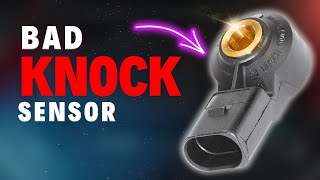
🎬 Watch: Learn more about common knock sensor symptoms and causes.- Check Engine Light: This is the most common sign. A fault in the knock sensor or its circuit will trigger a Diagnostic Trouble Code (DTC), most often P0325.
- Poor Acceleration: Your Lancer might feel sluggish or hesitant, especially when you try to accelerate. The ECM may retard ignition timing to prevent potential damage, which reduces power output.
- Reduced Fuel Economy: When ignition timing is not optimal, engine efficiency drops, leading to more trips to the gas pump.
- Engine Pinging or Knocking Noise: If the sensor fails completely, it can't detect detonation. You might hear a metallic pinging sound, especially when the engine is under load, like going up a hill.
Don't Ignore a P0325 Code
While a bad knock sensor itself might not stop the car from running, the underlying issue it's supposed to detect—engine knock—can cause serious internal engine damage. It's important to address the problem to avoid costly repairs down the road.
Choosing the Right Aftermarket Knock Sensor
When replacing the knock sensor on your 2002-2007 Lancer, you have a choice between OEM (Original Equipment Manufacturer) and aftermarket parts. For a critical sensor like this, quality matters.
- OEM/OEM-Quality Brands: The original Mitsubishi part (OEM Part No. MN137468) is the benchmark for quality and reliability. Brands like Mitsubishi Electric are OEM suppliers and offer a direct-fit, reliable alternative. Forum users across many vehicle makes often recommend sticking with OEM for critical sensors to avoid compatibility issues.
- Trusted Aftermarket Brands: Standard Motor Products (Standard Ignition) is a well-known aftermarket brand that generally has a decent reputation, though some users have reported mixed experiences with sensors.
- Value-Oriented Brands: Brands like Vemo and Global Parts fall into the budget-friendly category. While the price is lower, some forum discussions suggest that the quality of such brands can be inconsistent for electronic parts. For a sensor that plays a key role in engine protection, saving a few dollars here might lead to issues later.
A Note on Aftermarket Sensors
Some vehicle ECUs can be very particular about the signals they receive from sensors. Occasionally, a lower-quality aftermarket knock sensor might not work correctly with the Lancer's computer, causing the Check Engine Light to return even after replacement. Investing in an OEM or a reputable aftermarket brand like Standard Ignition or Mitsubishi Electric is often the safer bet.
Cost of Replacing a Lancer Knock Sensor
The cost can vary significantly based on the part you choose and whether you do the work yourself or hire a professional.
| Part/Service | Estimated Cost |
|---|---|
| New OEM Sensor | $190 - $275 |
| New Aftermarket Sensor | $21 - $144 |
| Shop Labor | $100 - $200 |
Frequently Asked Questions (FAQ)
Where is the knock sensor located on a 2002-2007 Lancer?
The knock sensor is bolted to the back of the engine block, underneath the intake manifold. It can be difficult to see and reach. Accessing it often requires working from below the car or removing components like the intake manifold support bracket for better access.
Can I replace the Lancer knock sensor myself?
Yes, this is a feasible DIY job for someone with moderate mechanical experience. However, access is tight. You will need to safely raise the vehicle and work in a cramped space under the intake manifold. Some DIYers have created a custom slotted deep socket to make removal easier without taking off the intake manifold.
🎬 Watch this guide on how to test and replace the sensor.Are there any recalls for the knock sensor on this Lancer?
No, there are no specific recalls for the ignition knock sensor on the 2002-2007 Mitsubishi Lancer. Searches of NHTSA data show recalls for this period were primarily for Takata airbags.
What is the most common error code for a bad knock sensor?
The most common diagnostic trouble code is P0325, which indicates a malfunction in the knock sensor circuit for Bank 1. This could mean the sensor itself has failed, or there is an issue with the wiring or connector.
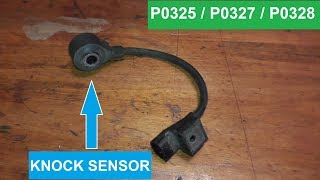
🎬 See how to test your sensor before buying a replacement.Helpful Videos


Technical Specifications
OEM Part Numbers: MN137468 1865A040
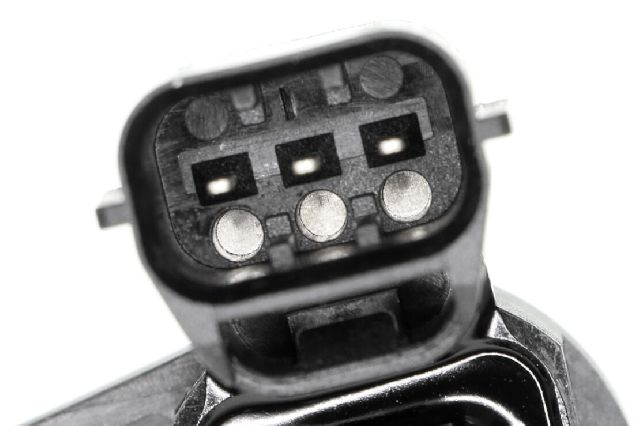
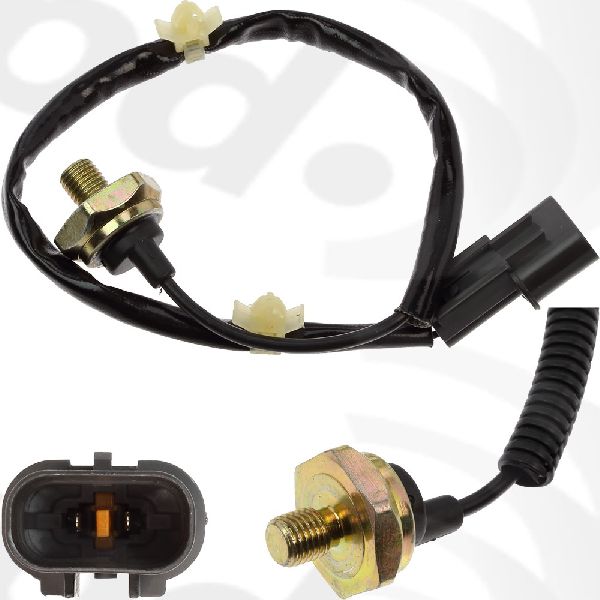
Typically a 2-pin, screw-in sensor. It is a piezoelectric device designed to detect specific frequencies of engine vibration.
We Have This Part in Stock


The information in this article is provided for general reference and educational purposes only. Vehicle specifications, procedures, and part compatibility can vary by production date, trim level, and region. Always consult your vehicle's factory service manual and verify part numbers before purchasing or performing repairs. Safety-critical components such as airbags, seat belts, and braking systems should be installed by a qualified professional.
- Mitsubishi Lancer: