

A Closer Look at the Manifold Absolute Pressure Sensor for the 2002-2007 Mitsubishi Lancer
If your Lancer is running rough or losing power, the MAP sensor could be the culprit.
- A bad MAP sensor on a 2002-2007 Lancer causes issues like rough idle, poor acceleration, and a Check Engine Light with codes P0106, P0107, or P0108.
- Replacement is very easy for a DIY mechanic, taking less than 15 minutes with basic tools. The sensor is located on the intake manifold.
- Before replacing the sensor, check for cracked or disconnected vacuum hoses, as they can cause identical symptoms.
- High-quality aftermarket brands like Delphi or Standard Ignition offer reliable performance and are a cost-effective alternative to expensive OEM parts.
Signs of a Failing MAP Sensor in a Lancer

When the MAP sensor in your 2002-2007 Lancer starts to fail, it sends bad information to the engine's computer. This can cause a number of noticeable problems. You are the best judge of how your car normally feels, so pay attention to any new or unusual behaviors.
- Check Engine Light: This is often the first sign. The computer will detect a problem with the sensor's signal and trigger a warning light.
- Poor Engine Performance: Your Lancer might feel sluggish, hesitate when you accelerate, or feel like it's lost power.
- Rough Idle: The engine may shake, sputter, or struggle to maintain a steady speed when you're stopped.
- Bad Fuel Economy: A faulty sensor can cause the engine to use more fuel than necessary, meaning more trips to the gas station.
- Black Smoke from Exhaust: If the sensor problem causes the engine to run too rich (too much fuel), you might see black smoke coming from the tailpipe.
- Stalling or Hard Starting: In more severe cases, the engine may stall unexpectedly or be difficult to start.
Check for Vacuum Leaks First
Symptoms of a bad MAP sensor can be very similar to those of a vacuum leak (like a cracked or disconnected hose). Before replacing the sensor, it's a good idea to inspect all the vacuum lines connected to the intake manifold for any signs of damage or loose connections.
Choosing the Right Aftermarket MAP Sensor

You don't need to buy a part from the Mitsubishi dealer to get your Lancer running right again. Aftermarket parts are a cost-effective solution, but quality can vary between brands. Here’s a breakdown of what to look for.
OEM vs. Aftermarket
An OEM (Original Equipment Manufacturer) part is what the car was built with. For a vehicle of this age, an OEM sensor from Mitsubishi can be expensive. Aftermarket parts are made by other companies to fit your car. High-quality aftermarket brands often meet or exceed OEM standards and are a reliable choice for this repair. For a simple electronic sensor like this, a reputable aftermarket brand provides the best value.
Aftermarket Brand Tiers for Your Lancer
Not all aftermarket brands are the same. They can generally be grouped into tiers based on quality, reputation, and price.
- Premium Aftermarket (OE-Quality): Brands like Delphi and Standard Ignition (Standard Motor Products) are well-regarded in the industry. Delphi is a known OE supplier for many car manufacturers, and their parts undergo strict testing. These brands are a top choice for reliability that is similar to the original part.
- Standard Aftermarket: Brands like Walker Products and Holstein offer a good balance of quality and price. They are dependable options for a daily driver and are widely available.
- Economy/Value: Brands like Global Parts and Spectra typically offer the lowest prices. While they can be a good option for a budget repair, they may not have the same long-term durability or stringent quality control as the premium brands.
For a critical engine sensor, spending a little more on a premium or standard aftermarket brand can prevent future headaches and ensure your Lancer runs smoothly for years to come.
Cost to Replace a Lancer MAP Sensor

The cost is broken down into the part itself and the labor to install it. Since this is a very easy part to access and replace, labor costs should be minimal.
| Item | Estimated Cost |
|---|---|
| New OEM Part | $175 - $255 |
| New Aftermarket Part | $39 - $176 |
| Shop Labor | $50 - $75 |
| Total (DIY Aftermarket) | $39 - $176 |
| Total (Shop Installed Aftermarket) | $89 - $251 |
Frequently Asked Questions

Where is the MAP sensor located on a 2002-2007 Lancer?
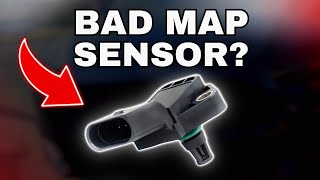
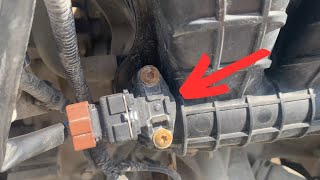
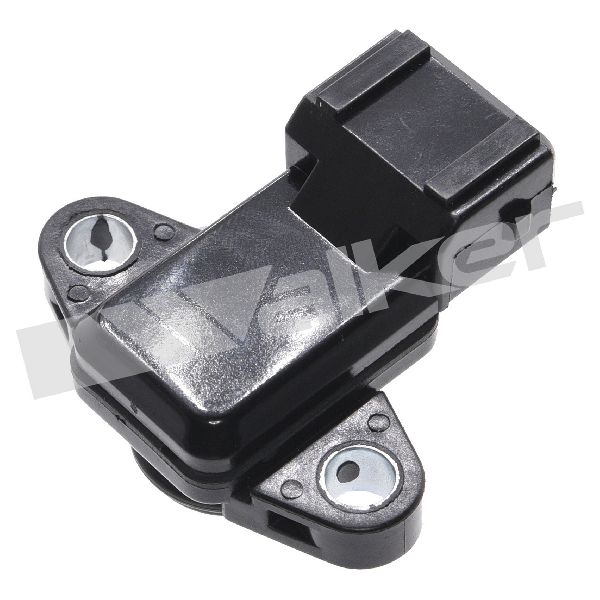
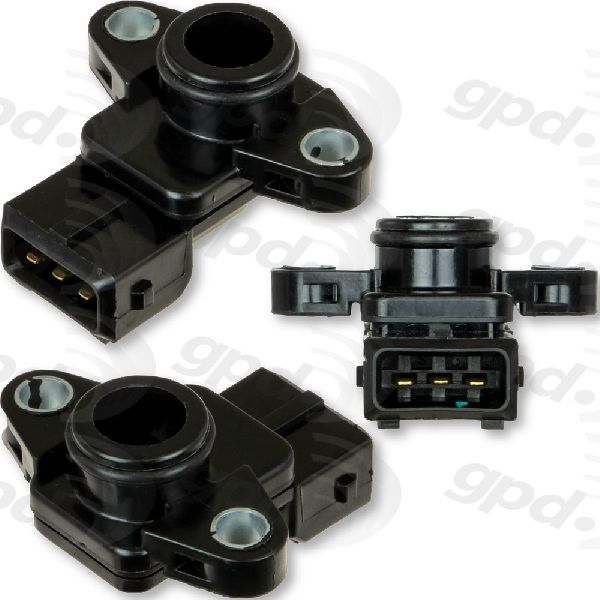
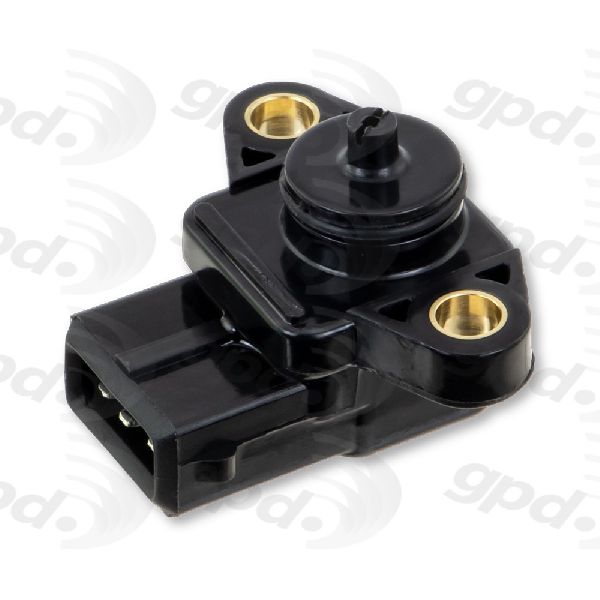
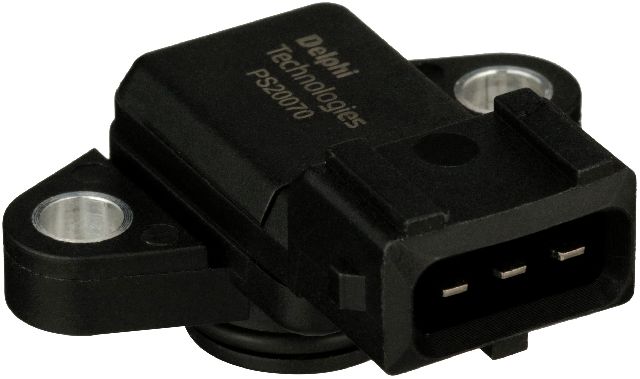
The MAP sensor is mounted directly on the intake manifold. It is a small, black plastic sensor held in place by one or two bolts with an electrical connector plugged into it. It is easily accessible on top of the engine.
Can I clean my MAP sensor instead of replacing it?
While some sensors like the Mass Airflow (MAF) sensor can sometimes be cleaned, it is generally not recommended for a MAP sensor. The internal components are sensitive and can be damaged by cleaning chemicals or compressed air. Given the reasonable cost of a new aftermarket sensor and the high chance of damaging the old one, replacement is the most reliable solution.
What are the common trouble codes for a bad MAP sensor?
A failing MAP sensor will usually trigger a Check Engine Light and store specific Diagnostic Trouble Codes (DTCs). The most common codes are P0106 (Sensor Performance/Range), P0107 (Circuit Low Input), and P0108 (Circuit High Input).
Is a MAP sensor the same as a MAF sensor?
No, they are different sensors. The MAP (Manifold Absolute Pressure) sensor measures pressure in the intake manifold. The MAF (Mass Airflow) sensor measures the amount and density of air entering the engine. Your Lancer uses both sensors to get a complete picture of what the engine is doing, but they are separate parts with different functions and locations.
Helpful Videos
Technical Specifications
OEM Part Numbers: MD305600 MN143855
3-pin rectangular connector. Mounts to intake manifold.
We Have This Part in Stock


The information in this article is provided for general reference and educational purposes only. Vehicle specifications, procedures, and part compatibility can vary by production date, trim level, and region. Always consult your vehicle's factory service manual and verify part numbers before purchasing or performing repairs. Safety-critical components such as airbags, seat belts, and braking systems should be installed by a qualified professional.
- Mitsubishi Lancer: