

A Comprehensive Guide to the 2002-2007 Mitsubishi Lancer Oxygen Sensor
Keep your Lancer running efficiently by understanding, diagnosing, and choosing the right replacement oxygen sensor.
- Your 2002-2007 Lancer has two O2 sensors: one upstream (Bank 1, Sensor 1) and one downstream (Bank 1, Sensor 2).
- For best results and longevity, choose a direct-fit sensor from an OEM-quality brand like Denso or NGK/NTK.
- Symptoms of failure include a check engine light, poor gas mileage, rough idle, and potentially a rotten egg smell from the exhaust.
- Ignoring a bad O2 sensor can eventually damage your more expensive catalytic converter.
Is Your Lancer's Oxygen Sensor Failing?

A bad oxygen sensor can cause a range of problems, from annoying to severe. The most common sign is the check engine light turning on. You might also notice your fuel economy getting worse, a rough or unstable idle, or a loss of power when you accelerate. In some cases, you may smell a "rotten egg" or sulfur-like odor from the exhaust or even see black smoke. Ignoring these signs for too long can lead to more expensive repairs, including damage to your catalytic converter.
Common Diagnostic Codes (DTCs)
If your check engine light is on, a code scanner will likely show one of several codes related to O2 sensor performance. Common codes for the 2002-2007 Lancer include P0130-P0135 for upstream sensor issues, P0136-P0141 for downstream sensor issues, and P0420 or P0421, which can indicate a failing catalytic converter, 🎬 Watch this fix for rough idle and P0421 sensor codes. often caused by a faulty sensor.
Choosing the Right Aftermarket Oxygen Sensor

When replacing an O2 sensor, you don't have to buy the expensive OEM part from a dealership. High-quality aftermarket brands often meet or exceed OEM specifications and can save you money. For the 2002-2007 Lancer, it's best to choose a "direct-fit" sensor, which comes with the correct plug and wiring harness, making installation much easier than a "universal" sensor that requires splicing wires.
Brand Quality Tiers for Your Lancer
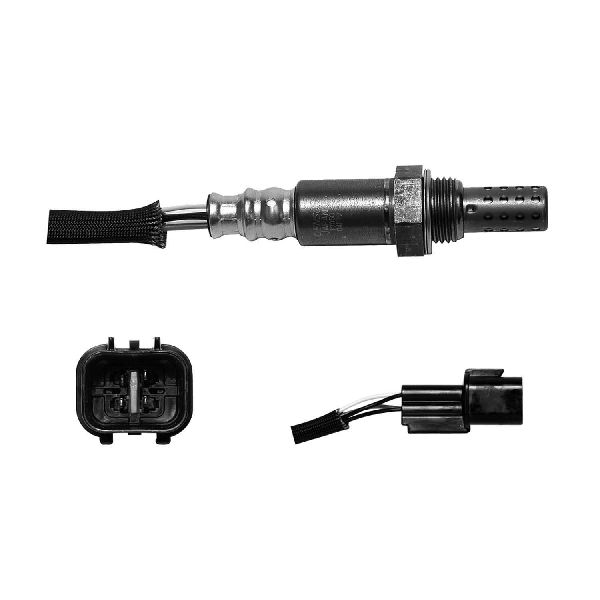
- Top Tier (OEM Quality): Denso and NGK (also sold as NTK) are highly recommended by mechanics and Lancer owners. These brands are often the original equipment manufacturers for Mitsubishi, meaning they provide the same fit and performance as the factory part. Many owners report long-term success with Denso and NGK/NTK sensors.
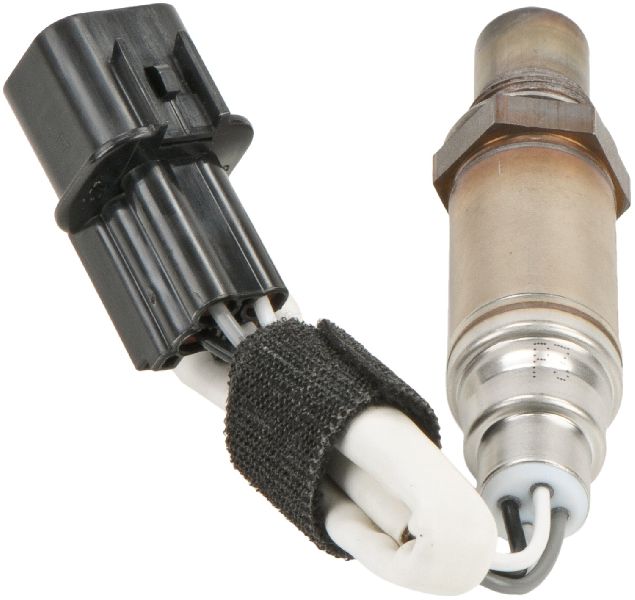
- Mid-Grade (Reliable Alternatives): Bosch and Delphi are well-regarded brands that offer a good balance of quality and price. While some owners have had mixed experiences, many report that Bosch direct-fit sensors work well in their Lancers.
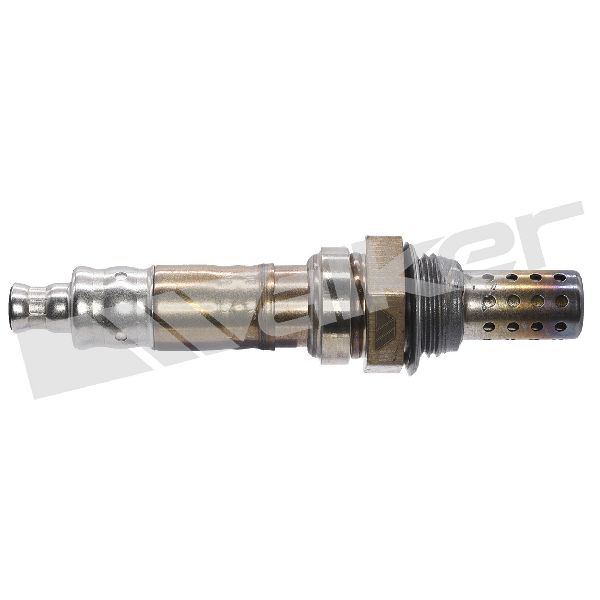
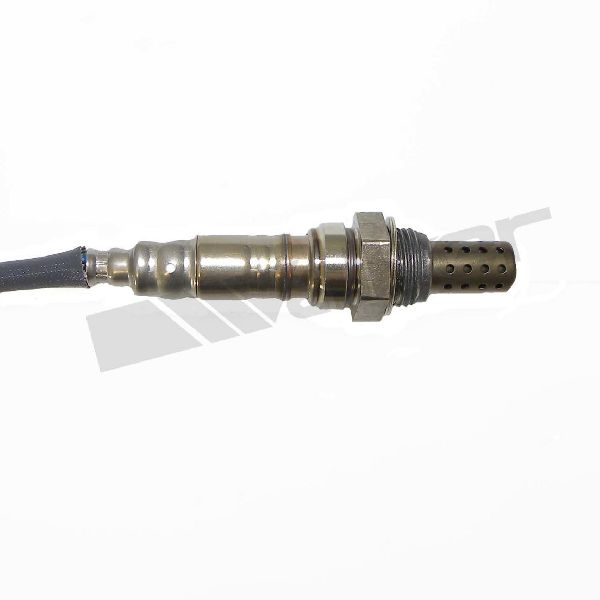
- Economy (Budget-Friendly): Brands like Walker Products, Spectra, and DriveWire offer a lower-cost option. While they can be a good choice for a tight budget, their long-term durability may not match that of the top-tier brands. It's generally advised to stick with Denso or NGK/NTK for a critical component like an O2 sensor to avoid potential issues.
Pro Tip: Upstream vs. Downstream
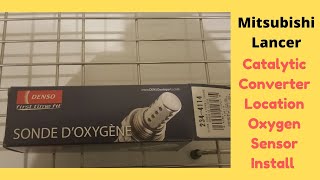
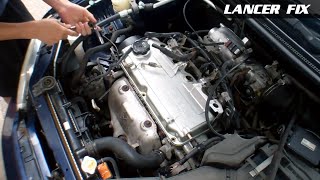
Always confirm which sensor you need to replace. The upstream (Sensor 1) and downstream (Sensor 2) sensors are different parts and are not interchangeable. The upstream sensor is located on the exhaust manifold at the front of the engine, 🎬 Watch this step-by-step guide for replacing the upstream sensor. while the downstream sensor is located under the car, after the catalytic converter.
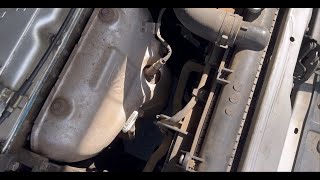
🎬 See how to install the sensor on the catalytic converter.Oxygen Sensor Replacement Cost
The cost of replacing an oxygen sensor depends on the brand you choose and whether you do the work yourself or hire a professional. Below is an estimated cost breakdown for the 2002-2007 Mitsubishi Lancer.
| Part/Service | Estimated Cost |
|---|---|
| New Aftermarket Sensor | $25 - $155 |
| Shop Labor | $75 - $150 |
| Total Professional Replacement | $100 - $305 |
Frequently Asked Questions

How many oxygen sensors does my 2002-2007 Lancer have?
Your Lancer (non-turbo models) has two oxygen sensors: one upstream (before the catalytic converter) and one downstream (after the catalytic converter).
Can I replace just one oxygen sensor?
Yes, you only need to replace the sensor that has failed. However, O2 sensors have a limited lifespan, and if one has failed due to age, the other may not be far behind. Some mechanics recommend replacing them in pairs if they are original and have high mileage.
Is it hard to replace a Lancer oxygen sensor myself?
For a DIY mechanic, the difficulty is generally low to moderate. The upstream sensor is easily accessible in the engine bay. The downstream sensor is under the car and may be more difficult to reach and remove, especially if it's rusted in place. You will need a special O2 sensor socket (a 22mm or 7/8" wrench with a slot for the wire) to do the job properly.
Should I buy a universal sensor to save money?
It is strongly recommended to buy a direct-fit sensor. Universal sensors require you to cut your old sensor's plug and splice it onto the new sensor's wires. This adds time, complexity, and a potential point of failure. The small cost savings are often not worth the extra hassle.
Can I clean my oxygen sensor instead of replacing it?
While some people attempt to clean O2 sensors, it is not a reliable or recommended fix. The internal sensing elements wear out over time and cannot be restored by cleaning. Replacement is the only guaranteed solution for a failed sensor.
Helpful Videos
Technical Specifications
OEM Part Numbers: MD345771 1588A126 MD184939 1588A144
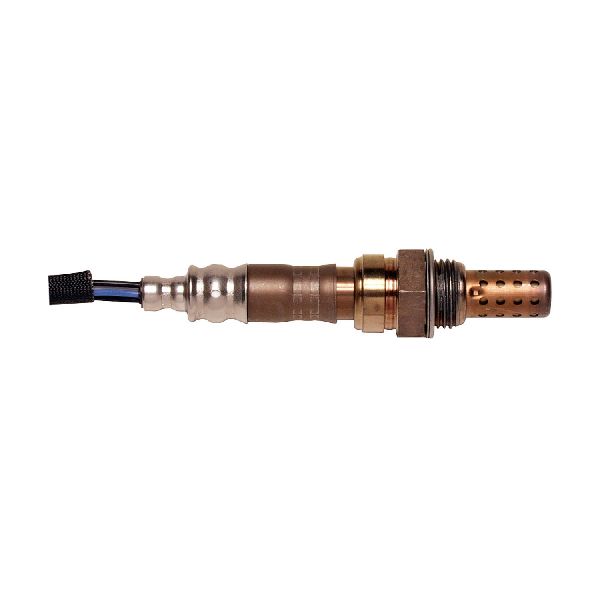
The 2.0L non-turbo Lancer uses two 4-wire heated oxygen sensors. The upstream sensor is located in the exhaust manifold, and the downstream sensor is located after the catalytic converter. A 22mm (7/8") oxygen sensor socket is required for removal and installation.
We Have This Part in Stock


The information in this article is provided for general reference and educational purposes only. Vehicle specifications, procedures, and part compatibility can vary by production date, trim level, and region. Always consult your vehicle's factory service manual and verify part numbers before purchasing or performing repairs. Safety-critical components such as airbags, seat belts, and braking systems should be installed by a qualified professional.
- Mitsubishi Lancer: