

A Deep Dive into Spark Plug Wire Sets for the 2002-2007 Mitsubishi Lancer
Keep your Lancer's 2.0L engine firing on all cylinders with the right set of new spark plug wires.
- For a stock 2002-2007 Lancer, choosing an OEM-quality aftermarket brand like NGK or Denso is the most reliable option.
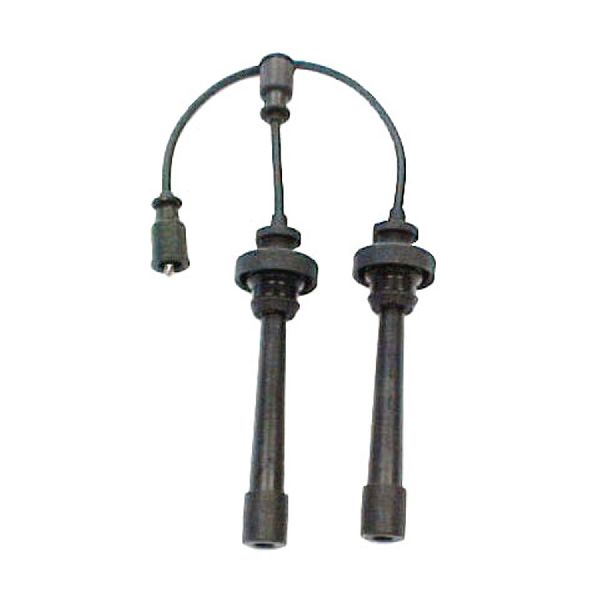
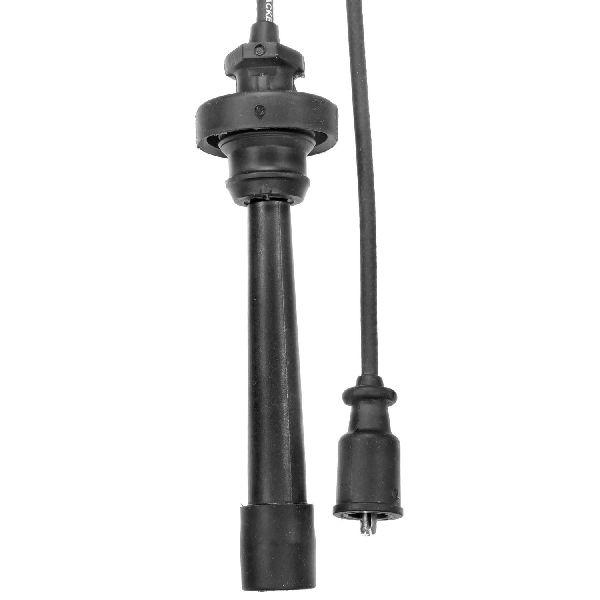
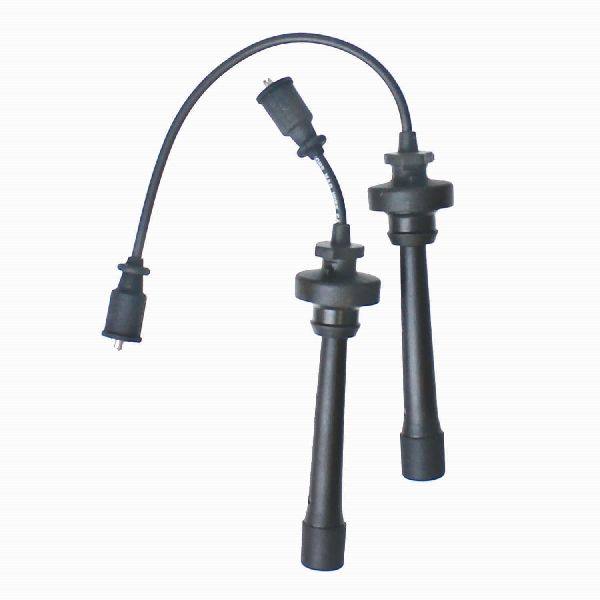
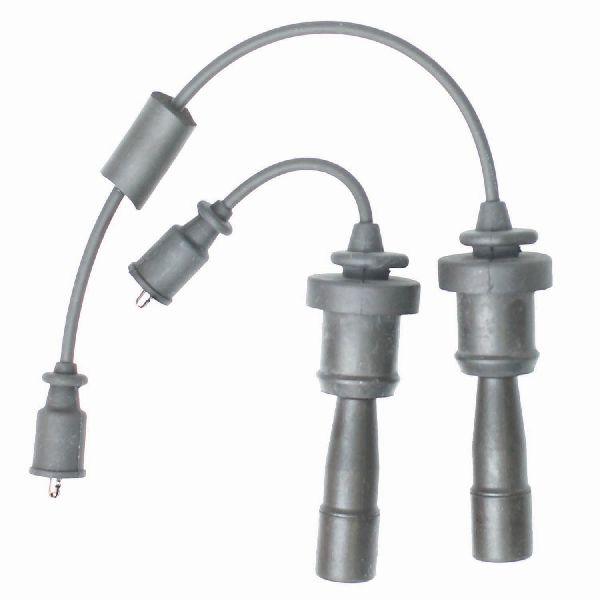
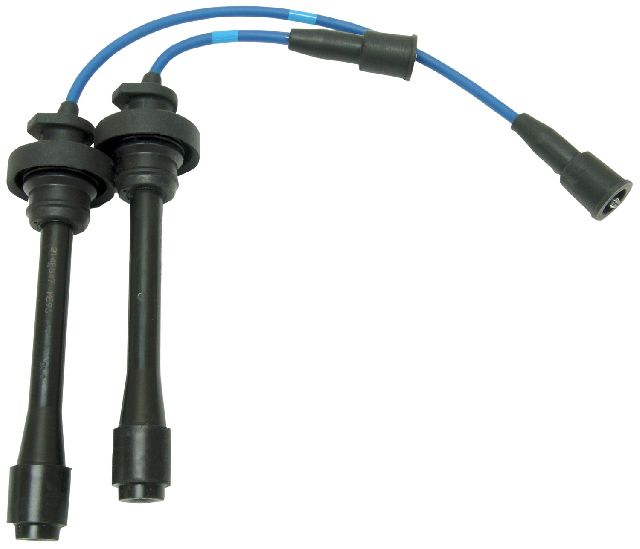
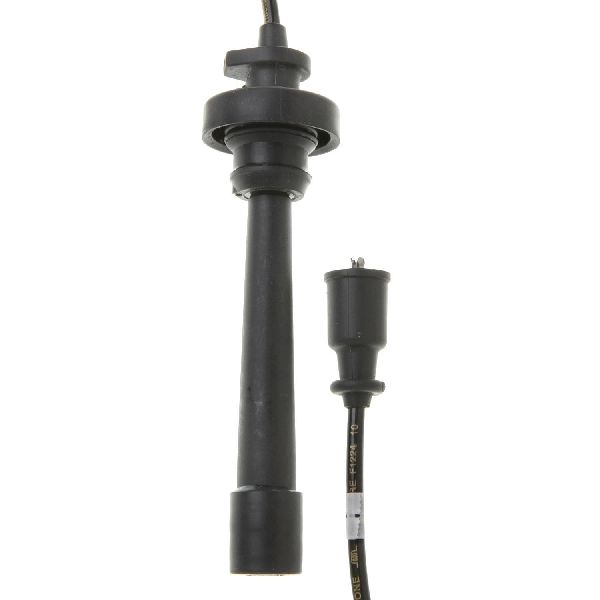
- The 2.0L Lancer engine only requires a two-wire set for cylinders 1 and 3, as the other two cylinders use coil-on-plug ignition.
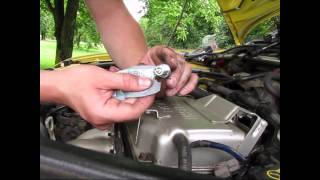
- Replacing spark plug wires is a simple, beginner-friendly DIY task that can be completed in under 30 minutes.
- Always replace spark plugs and wires together to ensure a complete ignition system tune-up and avoid future issues.
Understanding Spark Plug Wire Failure on Your Lancer
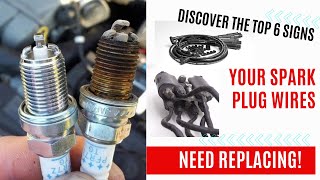
The spark plug wires on your Lancer live in a harsh environment. They are exposed to high heat from the engine and constant high voltage electricity. Over time, the insulation on the wires can break down, crack, or become brittle from heat and age. When this happens, the electrical energy can leak out or 'arc' to a metal part of the engine instead of going to the spark plug. This leads to a weak or non-existent spark, causing a variety of noticeable engine problems.
Common Symptoms of Failing Wires
- Rough Idle: Your car may shake or vibrate more than usual when stopped.
- Engine Misfires: You might feel a hesitation or stumbling during acceleration.
- Check Engine Light: A misfire will often trigger the check engine light, with codes like P0300, P0301, P0302, P0303, or P0304. 🎬 Watch: How to diagnose random misfires on this ignition system.
- Poor Fuel Economy: When your engine isn't running efficiently, it uses more gas.
- Difficulty Starting: Weak spark can make it harder for the engine to fire up.
Choosing the Right Aftermarket Spark Plug Wires
When it comes to replacing the spark plug wires on your Lancer, you have several good aftermarket options. For a daily-driven, stock vehicle, you don't need to spend a fortune on high-performance racing wires. The key is to choose a quality brand that meets or exceeds original equipment (OEM) specifications.
Brand Tiers for Your Lancer
- Top Tier (OEM-Quality): NGK & Denso
Both NGK and Denso are well-respected Japanese brands and are often the original equipment suppliers for Mitsubishi. Choosing a wire set from either of these brands is the safest bet for a perfect fit and reliable, long-lasting performance. They are engineered to match the factory specifications for your Lancer's 2.0L engine. - Performance Tier: Accel
Accel is a brand known for performance applications. They often feature thicker wires and ceramic boots designed to withstand very high temperatures, which is beneficial for modified engines with aftermarket headers that get closer to the wires. For a stock Lancer, Accel wires are overkill but are still a quality option if you prefer a more robust, performance-oriented part. - Standard Replacement Tier: Standard Wires (SMP) & Walker Products
Standard Motor Products (SMP) and Walker are well-known aftermarket brands that produce reliable, direct-fit replacement parts. Their wire sets are designed to be affordable, quality alternatives to OEM parts and will restore original performance. They are a solid choice for budget-conscious repairs and general maintenance.
Known Issues, Recalls, or TSBs
Searches for recalls and Technical Service Bulletins (TSBs) related to the spark plug wires for the 2002-2007 Mitsubishi Lancer did not reveal any specific issues. The ignition system on these vehicles is generally considered reliable. Most problems are related to normal wear and tear as the parts age. There were significant recalls for Takata airbags on these models, but none were found for the ignition system components.
| Part Type | Typical Cost | Notes |
|---|---|---|
| OEM (Mitsubishi) | $70 - $95 | Purchased from a dealership. Part number may include MD334043. |
| Aftermarket (NGK, Denso, etc.) | $25 - $77 | Our inventory price range. Quality varies by brand. |
Frequently Asked Questions (FAQ)
Should I replace my spark plugs at the same time?
Yes, it is highly recommended. Spark plugs and wires have a similar service life. Replacing them together ensures the entire ignition system is refreshed, providing the best performance and preventing you from having to do a similar job twice.
What is the difference between OEM and aftermarket wires for my Lancer?
OEM wires are what the car came with from the factory. High-quality aftermarket brands like NGK and Denso are often the OEM manufacturer, so their parts are virtually identical in quality and performance. Other aftermarket brands offer a range of quality and price points, from standard replacements to high-performance options.
How often should I replace my Lancer's spark plug wires?
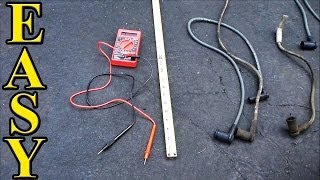
There is no strict interval, but they should be inspected during every major tune-up. 🎬 Learn how to test spark plug wires for proper function. A good rule of thumb is to consider replacing them every 60,000 to 80,000 miles, or whenever you replace your spark plugs, as a preventative measure.
Can new spark plug wires improve my Lancer's performance or gas mileage?
If you are replacing old, worn-out wires that were causing misfires or weak spark, then yes. A new set of wires will restore the engine's original performance, which will feel like an improvement and can restore lost fuel economy. However, installing new wires on an engine that is already running perfectly will not add any extra horsepower.
Helpful Videos
Technical Specifications
OEM Part Numbers: MD334043
The ignition system for the 2.0L 4G94 engine in the 2002-2007 Lancer (ES, LS, OZ Rally) is a waste-spark system that uses two coil packs and a two-wire set. The wires connect to cylinders 1 and 3.
We Have This Part in Stock

The information in this article is provided for general reference and educational purposes only. Vehicle specifications, procedures, and part compatibility can vary by production date, trim level, and region. Always consult your vehicle's factory service manual and verify part numbers before purchasing or performing repairs. Safety-critical components such as airbags, seat belts, and braking systems should be installed by a qualified professional.
- Mitsubishi Lancer: