

A Guide to the Engine Oil Pressure Switch for the 2002-2008 Audi A4
Understanding that red oil pressure light and choosing the right replacement switch for your B6 or B7 A4.
- An oil pressure warning is critical. Always stop the vehicle immediately and verify actual oil pressure with a mechanical gauge before assuming it's just a bad switch.
- Failure is common, with symptoms being a false warning light or an external oil leak from the switch body.
- For reliability, choose a quality aftermarket brand known for German vehicles, such as Hella, Vemo, or CRP.
- Replacement is simple for DIYers, typically requiring a 24mm deep socket, and is located near the oil filter housing.
The Dreaded Red Oil Light

Seeing the red oil can symbol flash on your Audi A4's dashboard is alarming. This light indicates that the engine's oil pressure has dropped to a dangerously low level. While this can signal a major engine problem like a failing oil pump, it is often caused by a much simpler and less expensive part: a faulty engine oil pressure switch. These switches are known to fail over time, either by leaking oil externally or by failing internally and giving false warnings.
Stop Driving Immediately!
An oil pressure warning is one of the most serious alerts your car can give. Never ignore it. Pull over safely and turn off the engine as soon as possible to prevent severe engine damage. Before assuming the switch is bad, it is essential to have the actual oil pressure checked with a mechanical gauge to rule out a more serious internal engine issue.
Choosing the Right Aftermarket Switch for Your A4

When replacing the oil pressure switch, you have options outside of the dealership. For a critical but simple part like this, choosing a quality brand is important to avoid premature failure. The small price saving on a low-quality switch isn't worth the risk or the labor to replace it again. Some aftermarket brands are the original equipment manufacturers (OEM) for Audi, offering the same quality without the dealership price tag.
Brand Quality Tiers for Audi A4:
- Top Tier (OEM Supplier/Equivalent): Brands like Hella, Vemo, and CRP (Rein) are well-regarded in the European auto parts world. They often supply parts directly to Audi and are trusted for their reliability and precise fitment. Choosing one of these brands is the safest bet for a long-lasting repair.
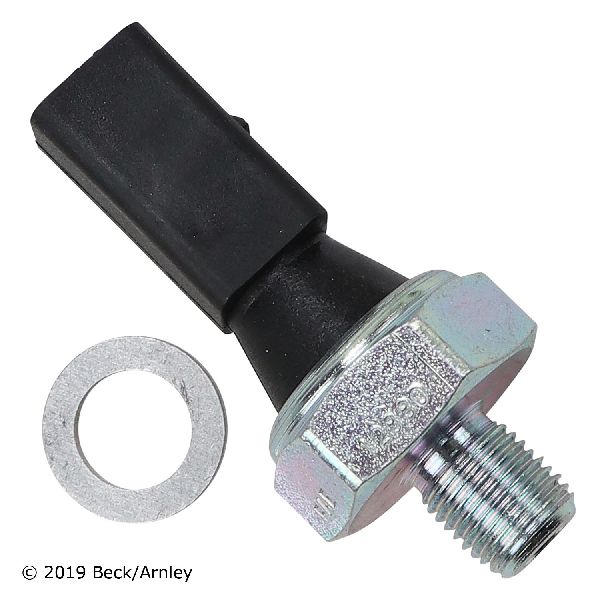
- Mid Tier (Reputable Aftermarket): Brands such as Beck Arnley and Standard Ignition (SMP) have a long history of producing reliable aftermarket parts. While they may not be the original supplier, they are a solid choice that meets or exceeds OEM specifications.
- Economy Tier: Brands like Walker Products, Facet, and Global Parts offer a budget-friendly option. While functional, their longevity and material quality can sometimes be inconsistent compared to higher-tier brands. Given the low cost of even top-tier switches, it is generally recommended to invest in a better-quality brand for peace of mind.
Check the Connector and Color
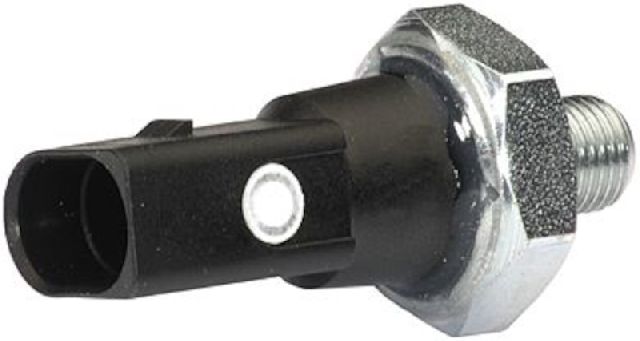
A common failure is for the switch to leak oil internally, through the electrical connector pins. 🎬 Watch this video to see how to diagnose a leaking connector. When you unplug the old switch, inspect the connector for any signs of oil. If oil is present, clean the harness connector thoroughly with an electrical contact cleaner before installing the new switch. Also, note that some A4 engines use multiple switches that are color-coded (e.g., blue, brown) to indicate different pressure ratings. Always ensure the replacement switch matches the color of the one you are removing.
Cost to Replace an Audi A4 Oil Pressure Switch

| Part/Service | Estimated Cost |
|---|---|
| New OEM Switch | $40 - $75 |
| New Aftermarket Switch | $10 - $35 |
| Shop Labor | $75 - $150 |
| Total DIY Cost (Aftermarket) | $10 - $35 |
| Total Professional Replacement | $85 - $185 |
Frequently Asked Questions

Where is the oil pressure switch located on a 2002-2008 A4?
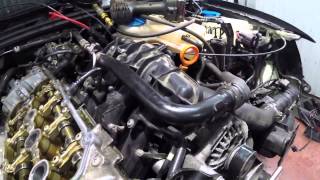
The oil pressure switch is typically located on the oil filter housing or on the side of the engine block near the oil filter. On 1.8T and 2.0T engines, it is generally accessible from the top or side of the engine. 🎬 See this walkthrough for replacing the sensor on 1.8T engines. On V6 models, it may be more difficult to access. You will need to remove the plastic engine covers to see it.
Can I replace the oil pressure switch myself?
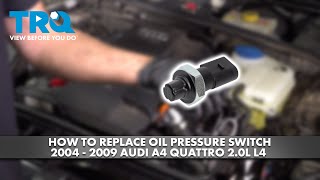
Yes, this is a very DIY-friendly job for most home mechanics. It usually requires only basic tools, including a deep 24mm socket. 🎬 Watch a step-by-step replacement guide for the 2.0L engine. The process involves unplugging the electrical connector, unscrewing the old switch, and screwing in the new one. A small amount of oil may leak out, so have a rag ready.
Is a flickering oil light always a bad switch?
Not always. A flickering light, especially when the engine is hot or at certain RPMs, can indicate that the oil pressure is hovering right at the switch's trigger point. This could be due to worn engine bearings, a failing oil pump, or using the wrong viscosity oil. This is why it's critical to test the actual pressure with a mechanical gauge before condemning the switch.
Are there any recalls for the oil pressure switch on the B6/B7 A4?
There are no specific recalls found for the oil pressure switch itself on the 2002-2008 Audi A4. However, some general engine-related recalls or Technical Service Bulletins (TSBs) may mention the oil pressure light as a potential symptom for other issues, such as problems with the oil filter housing or turbocharger oil supply.
Helpful Videos


Technical Specifications
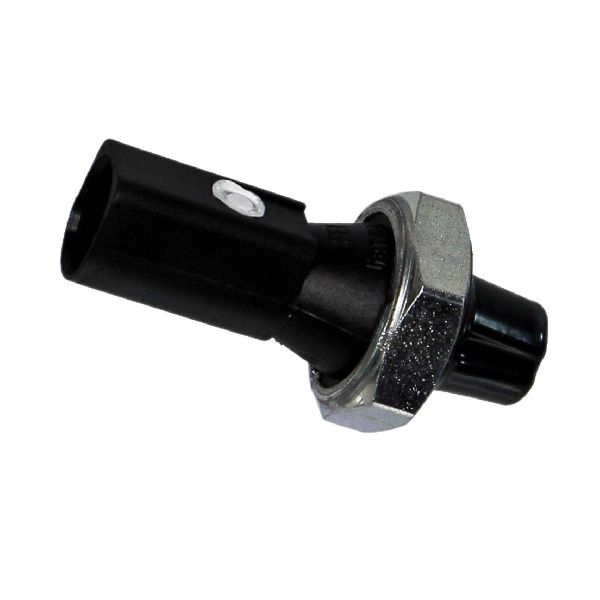
OEM Part Numbers: 038919081K 038919081C 038919081H 06H919081A 06K919081
Location: Engine block, near or on the oil filter housing. Socket Size: 24mm Deep Socket. Note: Switches are often color-coded (e.g., blue, brown) for specific pressure ratings; always match the new part to the original.
We Have This Part in Stock


The information in this article is provided for general reference and educational purposes only. Vehicle specifications, procedures, and part compatibility can vary by production date, trim level, and region. Always consult your vehicle's factory service manual and verify part numbers before purchasing or performing repairs. Safety-critical components such as airbags, seat belts, and braking systems should be installed by a qualified professional.
- Audi A4: