

Chevrolet Corsa Engine Coolant Temperature Sensor: A Complete Guide (2002-2008)
A faulty coolant sensor can cause poor performance and bad fuel economy in your Corsa; here’s how to choose the right replacement.
- A failing ECT sensor will usually trigger a Check Engine Light with codes like P0117, P0118, or Corsa-specific codes 14/15.
- Replacement is a simple DIY task for most owners, requiring basic tools and about 30 minutes.
- Ignoring the problem can lead to poor fuel economy, failed emissions tests, and potentially severe engine overheating.
- Choose a quality aftermarket brand like NGK or Standard Ignition for better reliability, but even budget brands will work in a pinch.
Is Your Corsa's Coolant Temp Sensor Failing?
When the Engine Coolant Temperature (ECT) sensor starts to fail, it sends incorrect information to your car's computer. This can cause a variety of noticeable problems. Because the computer doesn't know the real engine temperature, it might make the engine run too rich (too much fuel) or too lean (not enough fuel).
Common Symptoms:
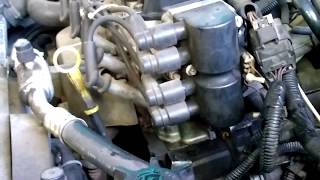
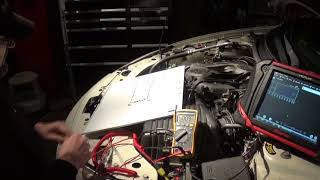
- Check Engine Light: This is often the first sign. The computer will log fault codes like P0117 (Circuit Low Input) or P0118 (Circuit High Input). 🎬 Watch this video for a deep dive into diagnosing these codes. The Chevrolet Corsa may specifically show codes 14 (Low Voltage) or 15 (High Voltage).
- Poor Fuel Economy: If the sensor wrongly tells the computer the engine is cold, the computer will inject extra fuel, wasting gas.
- Black Smoke from Exhaust: An overly rich fuel mixture may not burn completely, resulting in black smoke from the tailpipe.
- Engine Overheating: A bad sensor might fail to trigger the radiator fans when needed, causing the engine to run hot.
- Rough Idle and Poor Performance: The engine may shake, hesitate, or feel sluggish because the fuel mixture and ignition timing are off.
- Hard Starting: Starting the engine, especially when it's cold, can be difficult if the computer is getting the wrong temperature reading.
Choosing the Right Aftermarket Sensor
Since Original Equipment (OEM) parts for the Corsa can be hard to find, the aftermarket is your most likely source. Quality can vary, so it's important to choose wisely. While some owners prefer to stick to OEM for critical sensors, a good quality aftermarket part can be a reliable choice.
Aftermarket Brand Tiers
| Tier | Brands | General Reputation |
|---|---|---|
| Premium Aftermarket | NGK, Standard Ignition (SMP) | Often considered OE-quality or very close. Known for reliability and accurate readings. Many professional mechanics trust these brands. |
| Mid-Grade / Standard | Motorad | A solid replacement option that aims to meet or exceed OEM specifications. Often a good balance of price and quality. |
| Economy / Budget | Global Parts, Standard Wires, True Tech | These brands offer a cost-effective solution. They can be a good choice for a budget repair, but may not have the same long-term durability or precise calibration as premium brands. |
Pro Tip: Some forum users have noted that even OEM-branded sensors can sometimes be inconsistent. Regardless of the brand you choose, it's a good idea to check for leaks around the sensor after installation.
How Much Does a Replacement Cost?
Replacing the ECT sensor is one of the more affordable repairs you can make. The part itself is not expensive, and labor is minimal if you have a shop do it.
Estimated Cost Breakdown
| Item | Estimated Cost |
|---|---|
| New Aftermarket Part | $16.81 - $155.57 |
| Shop Labor | $50 - $125 |
| Total (DIY) | $16.81 - $155.57 |
| Total (Installed at Shop) | $67 - $281 |
Frequently Asked Questions
Where is the ECT sensor located on a 2002-2008 Chevrolet Corsa?
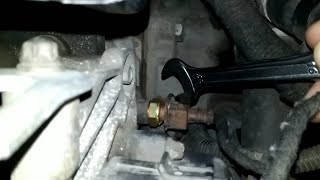
The ECT sensor is typically screwed into the engine near the thermostat housing. On many Corsa engines, you can find it by following the upper radiator hose to where it connects to the engine. On some models, it may be in a tight spot on the back of the inlet manifold, 🎬 Watch a step-by-step guide on how to change the sensor. which can be difficult to see and reach.
Can I replace the Corsa's coolant sensor myself?
Yes, this is a very DIY-friendly job for most home mechanics. The process involves letting the engine cool, unplugging the electrical connector, and unscrewing the old sensor with a deep socket (often 19mm). Be prepared for a small amount of coolant to spill out when you remove the old sensor. Do not overtighten the new sensor, as this can damage the threads.
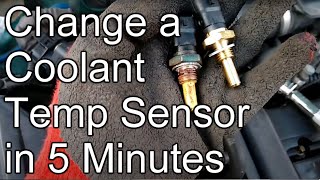
🎬 See this quick 5-minute walkthrough of the replacement process.What happens if I don't replace a bad ECT sensor?
Ignoring a faulty ECT sensor can lead to more significant problems. Persistently poor fuel mixture can foul spark plugs and damage the catalytic converter over time. More seriously, if the sensor fails to activate the cooling fans, your engine can overheat, which may lead to critical engine damage like a warped cylinder head.
Does my Corsa have more than one coolant temperature sensor?
It's possible. Some vehicles use two separate sensors: one for the engine computer (the ECT) and another for the temperature gauge on your dashboard. If your dashboard gauge seems accurate but you have symptoms of a bad sensor (like a check engine light), the issue is likely with the main ECT sensor that communicates with the ECU.
Helpful Videos
Technical Specifications
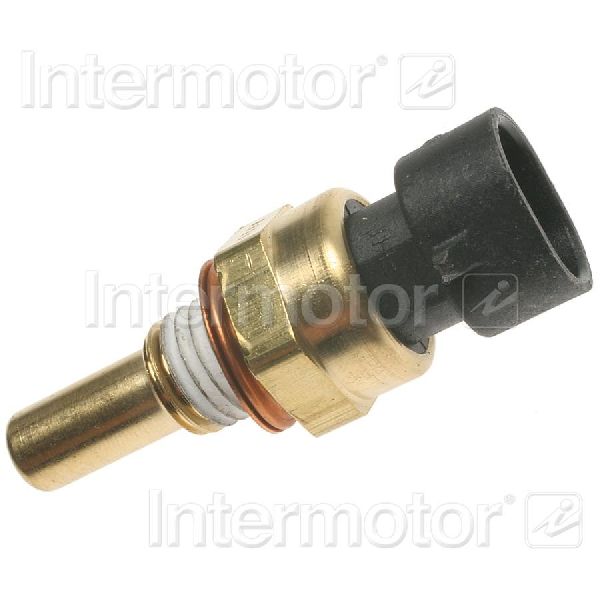
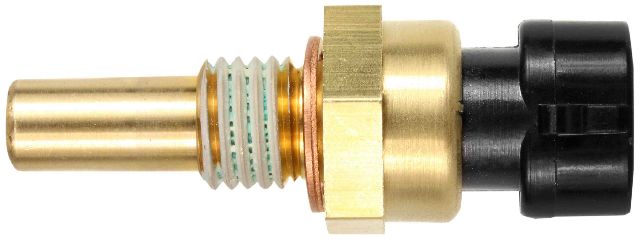
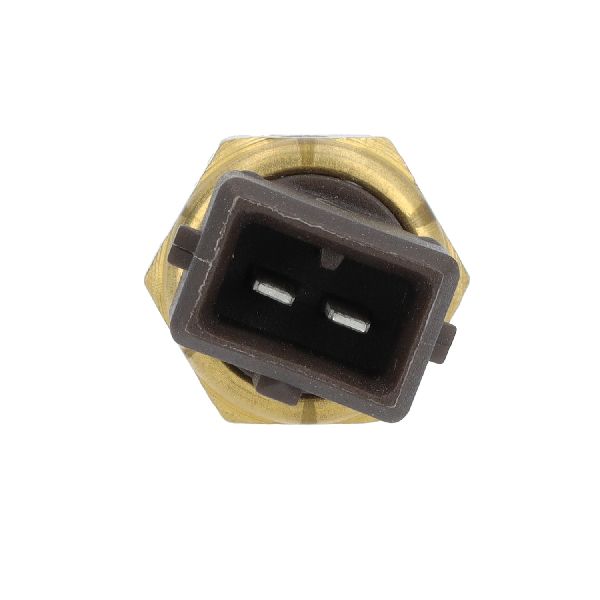
The sensor is a thermistor, meaning its electrical resistance changes with temperature. It typically has a two-wire connector and a threaded body, often requiring a 19mm deep socket for removal.
We Have This Part in Stock


The information in this article is provided for general reference and educational purposes only. Vehicle specifications, procedures, and part compatibility can vary by production date, trim level, and region. Always consult your vehicle's factory service manual and verify part numbers before purchasing or performing repairs. Safety-critical components such as airbags, seat belts, and braking systems should be installed by a qualified professional.
- Chevrolet Corsa: