

Ford E-150 (2002-2008) Engine Cooling Fan Clutch: Symptoms and Replacement
Keep your E-150's engine from overheating by understanding the signs of a bad fan clutch and how to choose the right replacement part.
- Engine overheating at idle is the #1 symptom of a bad fan clutch on your E-150.
- A constant loud roar from the engine suggests the fan clutch is stuck on, which will hurt your power and fuel economy.
- Aftermarket brands like Hayden and GMB are popular, but be aware they may be louder than the original Ford part.
- Replacing the fan clutch is a manageable DIY job if you rent the special fan clutch wrench set.
Is Your E-150's Fan Clutch Failing?
A bad fan clutch can cause your van's engine to run too hot or, in some cases, prevent it from warming up properly. If it fails to engage, the engine can overheat, especially at low speeds or when idling. If it gets stuck on, the fan will roar loudly all the time, which hurts your fuel economy and power. It's a common wear item, and keeping the cooling system in top shape is critical for your van's reliability.
Key Failure Symptoms
Watch for these common signs that your fan clutch needs to be replaced:
- Engine Overheating at Idle: This is the most common symptom. The temperature gauge will climb in stop-and-go traffic but may return to normal at highway speeds.
- Loud Roaring Fan Noise: A constant roaring or "jet engine" sound from the engine bay that gets louder with RPMs indicates the clutch is likely seized in the engaged position. This also leads to a noticeable lack of power.
- Poor A/C Performance at a Stop: The A/C system needs airflow across the condenser to work properly. A fan that isn't spinning fast enough at idle can cause your A/C to blow warm air until you start moving again.
- Visible Fluid Leaks: Look for oily streaks radiating from the center of the fan clutch. This is a sign that the internal silicone fluid is leaking out, and the clutch can no longer function correctly.
Known Issues for 2002-2008 Ford E-150
Searches of the National Highway Traffic Safety Administration (NHTSA) database show no specific safety recalls for the engine cooling fan clutch on these models. A Technical Service Bulletin (TSB) was issued for some 2004 F-150 models for a "rolling idle" sound caused by the fan clutch at startup, but it is not confirmed to apply to the E-150.
Choosing the Right Aftermarket Fan Clutch
For a 2002-2008 E-150, a quality aftermarket fan clutch is a cost-effective choice. While the original Motorcraft part is an excellent option, several aftermarket brands provide reliable performance. However, be aware that a common complaint with some aftermarket units is that they can be louder or engage more aggressively than the factory part.
- Premium Aftermarket (Hayden, GMB, US Motor Works): These brands are popular choices for trucks and SUVs. Hayden is well-known and offers different duty ratings (standard, heavy-duty) for vehicles that tow or operate in high heat. GMB is often chosen for reliability. Reviews for all are mixed, with some users reporting good experiences while others note excessive noise.
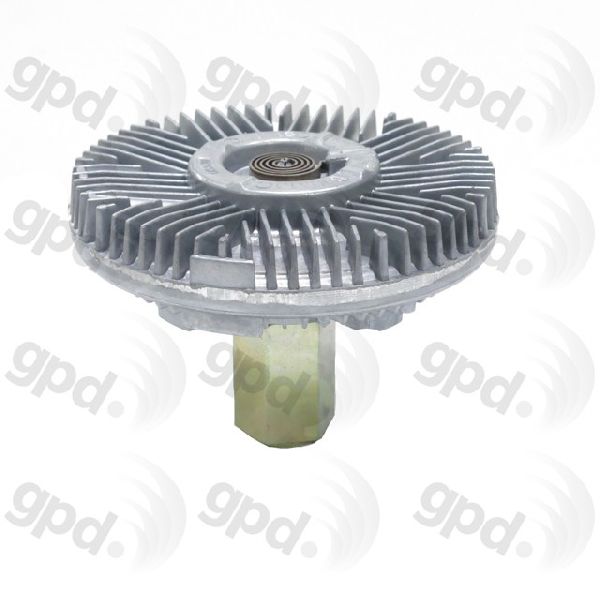
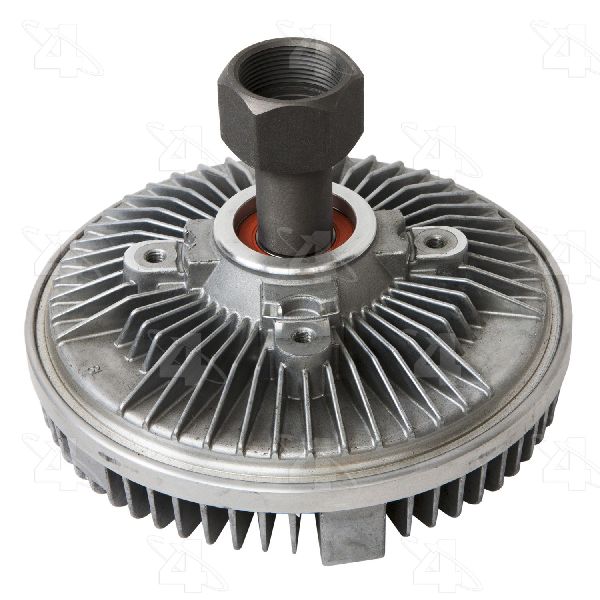
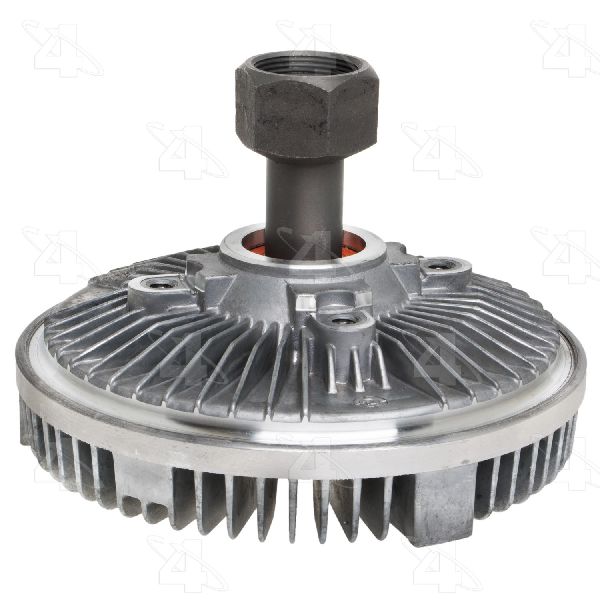
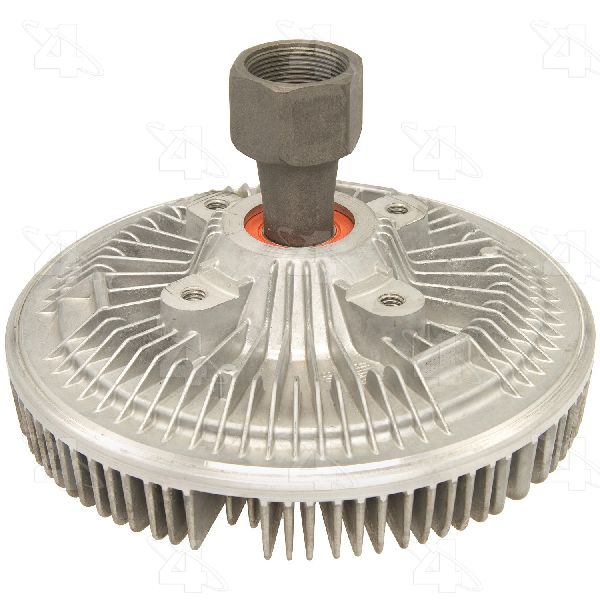
- Standard Aftermarket (Four Seasons, Global Parts): These brands are widely available and offer a budget-friendly option for general repairs. Some forum users have reported premature failures or loud operation with Four Seasons clutches.
Pro Tip: When replacing the fan clutch, it's a great time to inspect the water pump it's attached to. Many mechanics recommend replacing them together to save on future labor costs, since the fan clutch must be removed to access the water pump.
Replacement Cost
The cost to replace your E-150's fan clutch will vary based on the part brand and local labor rates. The prices below are estimates.
| Part Type | Estimated Cost |
|---|---|
| New Aftermarket Part | $72 - $129 |
| New OEM (Motorcraft) Part | $150 - $250 |
| Shop Labor | $100 - $200 |
| Total Professional Replacement | $250 - $450 |
Frequently Asked Questions (FAQ)
How can I test my fan clutch?
With the engine off and cool, try to spin the fan by hand. It should have some resistance and not spin more than 1-3 times. If it spins freely with no resistance, it has failed. If it feels wobbly or loose, the bearing may be bad. When the engine is hot (after running), turn it off and carefully check the fan again. It should be much harder to turn. If it still spins easily, it's not engaging correctly.
Is replacing the fan clutch a DIY job?
Yes, this is a manageable job for someone with mechanical experience. The biggest challenge is removing the large nut that holds the clutch to the water pump pulley. This requires a special fan clutch wrench set, which can often be rented from auto parts stores. The process involves removing the fan shroud for access. The job typically takes 1-2 hours.
Why is my new aftermarket fan clutch so loud?
This is a common experience. Many aftermarket fan clutches, especially heavy-duty models, are designed to be more aggressive. They may engage sooner or more strongly than the original part, which creates a loud roaring noise, particularly during acceleration. This is not necessarily a sign of a defect, but a difference in design compared to the quieter OEM part.
Should I replace the water pump at the same time?
It is highly recommended. The fan clutch is bolted to the water pump, so much of the labor overlaps. Replacing both at the same time can prevent you from having to do a similar repair job twice, saving you money in the long run.
Technical Specifications
OEM Part Numbers: YB-3082
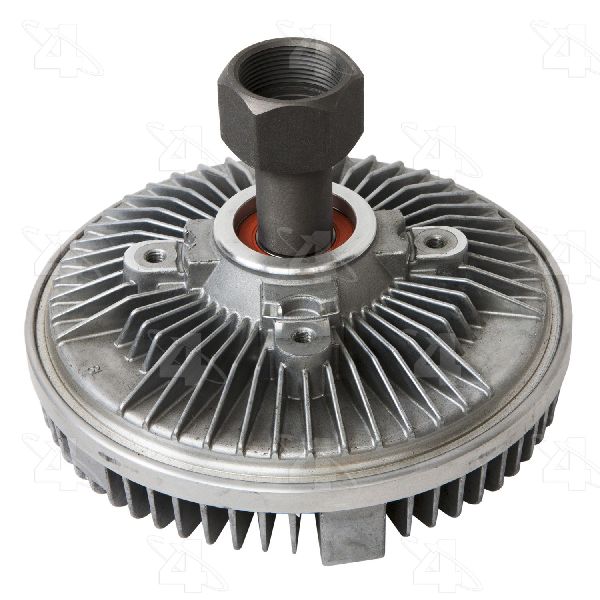
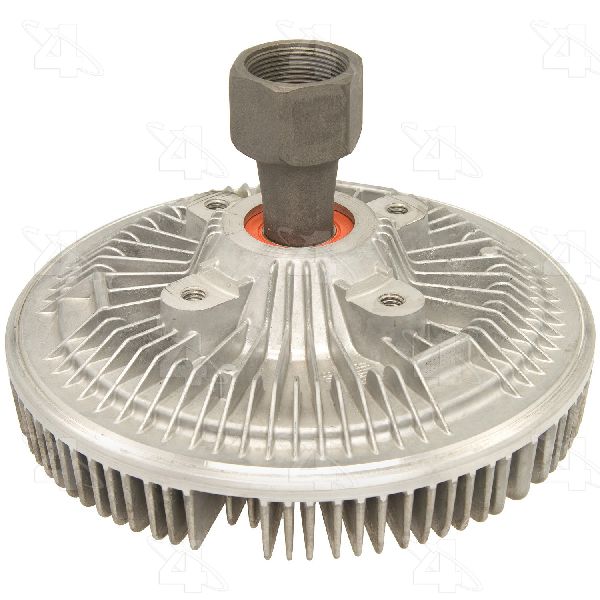
The fan clutch for the 2002-2008 Ford E-150 is a thermally-activated, mechanical viscous clutch. It mounts to the water pump via a large threaded nut. Note: OEM part numbers can vary by specific year and engine (4.6L V8, 5.4L V8), so always verify fitment.
We Have This Part in Stock

The information in this article is provided for general reference and educational purposes only. Vehicle specifications, procedures, and part compatibility can vary by production date, trim level, and region. Always consult your vehicle's factory service manual and verify part numbers before purchasing or performing repairs. Safety-critical components such as airbags, seat belts, and braking systems should be installed by a qualified professional.
- Ford E-150: