

Ford E-350 Econoline Alternator Replacement Guide (2002-2008)
Keep your workhorse on the road by learning the signs of a bad alternator and how to choose the right replacement.
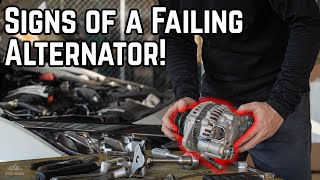
- Key symptoms of failure include dimming lights, a battery warning on the dash, and a whining noise from the engine.
- Before replacing the alternator, always check the battery connections and the condition of the serpentine belt.
- New aftermarket alternators offer a good value, but be aware that quality can vary between brands.
- Replacing the serpentine belt at the same time as the alternator is a cheap and easy way to ensure the new part performs correctly.
Is Your E-350 Econoline Alternator Failing?
A failing alternator rarely dies without warning. For a 2002-2008 Ford E-350, the symptoms are usually clear and shouldn't be ignored. If you notice any of these signs, it's time to inspect your charging system.
Common Symptoms of a Bad Alternator
- Dimming or Flickering Lights: You might see your headlights, dash lights, or interior lights dim, especially at idle, and then brighten as you accelerate.
- Battery Warning Light: A warning light shaped like a battery, or one that says "ALT" or "GEN," will often appear on your dashboard.
- Weak or Dead Battery: The engine may struggle to start, or you may find the battery is dead overnight. If you jump-start the van and it dies again almost immediately, the alternator is the most likely cause.
- Strange Noises: A whining or grinding sound coming from the front of the engine is a classic sign of bad alternator bearings.
- Slow or Malfunctioning Electronics: Power windows that are slow to operate, a radio that cuts out, or erratic A/C performance can all point to a lack of sufficient electrical power from a failing alternator.
- Burning Smell: A smell like burning rubber could mean the drive belt is slipping, while an electrical burning smell can indicate the alternator is overheating and working too hard.
Choosing a New Aftermarket Alternator
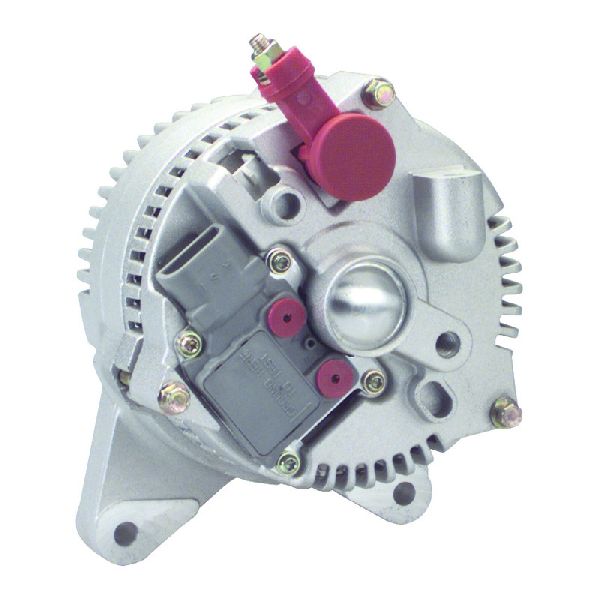
When replacing the alternator on your E-350, you have several options, but new aftermarket parts offer a compelling balance of value and reliability without the hassle of returning a core. Unlike remanufactured parts, which can be inconsistent, a new part has all-new components.
For this vehicle, brands like WAI Global offer new alternators. While new parts are generally a solid choice, it's important to be aware of owner feedback. Some online discussions mention that the quality control on certain budget-friendly aftermarket brands can be inconsistent, with some users reporting whining noises or lower-than-advertised amperage output. However, many others use these parts without any issues. A new aftermarket alternator is often a reliable and cost-effective solution, especially when backed by a good warranty.
What to Check Before You Replace
Sometimes, other issues can mimic a bad alternator. Before spending money on a new part, quickly check these items:
- Battery Terminals: Make sure they are clean and tight. A loose or corroded connection can prevent the battery from charging properly.
- Serpentine Belt: Check the belt that drives the alternator. If it's cracked, glazed, or loose, it can slip on the pulley and fail to spin the alternator effectively. It's a good idea to replace the belt when you replace the alternator.
- Fusible Links: In some cases, a burnt-out fusible link in the charging wire can stop the flow of power, making it seem like the alternator has failed.
Alternator Replacement Cost for 2002-2008 Ford E-350
| Part Type | Estimated Part Cost |
|---|---|
| New Aftermarket | $150 - $200 |
| Remanufactured Aftermarket | $150 - $250 (plus core charge) |
| New OEM (Motorcraft) | $300 - $500+ |
| Shop Labor | $120 - $250 |
What is a Core Charge?
Remanufactured parts often have a "core charge" added to the price. This is a deposit that you get back when you return your old alternator to the store. New aftermarket parts do not have a core charge, which simplifies the buying process.
Frequently Asked Questions
Can I replace the alternator myself?
Yes, this is a DIY-friendly job for someone with moderate mechanical skill. Access is tight inside the Econoline's engine compartment, but the process is straightforward. You will need basic hand tools like a socket set and a serpentine belt tensioner tool.
How long does it take to replace the alternator?
For a DIYer, expect the job to take 1 to 2 hours. A professional mechanic can typically complete it in about an hour.
Should I replace the serpentine belt at the same time?
Yes. The belt has to be removed to get the alternator out, so it's the perfect time to install a new one for a very low additional cost. This ensures the new alternator is driven effectively.
Do I need a special high-output alternator?
For most stock E-350 vans, the standard output alternator (around 115-135 amps) is sufficient. You would only need a high-output alternator if you have added significant electrical loads, such as a large stereo system, extra lighting, or extensive RV equipment.
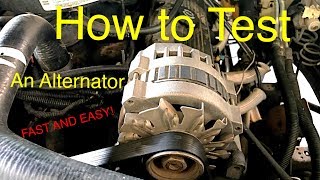
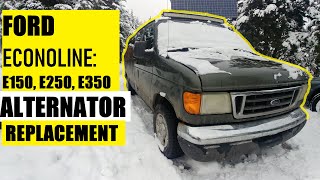
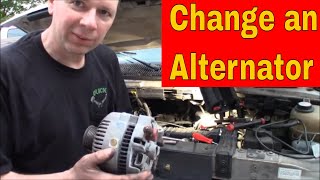
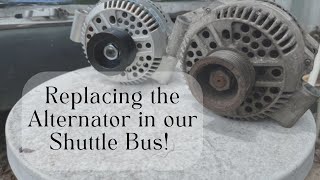
Helpful Videos
Technical Specifications
Amperage ratings for the 2002-2008 Ford E-350 Econoline typically range from 115 to 135 amps for the standard alternator, depending on the vehicle's engine and factory options like rear air conditioning.
We Have This Part in Stock

The information in this article is provided for general reference and educational purposes only. Vehicle specifications, procedures, and part compatibility can vary by production date, trim level, and region. Always consult your vehicle's factory service manual and verify part numbers before purchasing or performing repairs. Safety-critical components such as airbags, seat belts, and braking systems should be installed by a qualified professional.
- Ford E-350 Econoline:
- 🎬 Helpful Videos
- 🛍️ Shop This Part
- Is Your E-350 Econoline Alternator Failing?
- Common Symptoms of a Bad Alternator
- Choosing a New Aftermarket Alternator
- What to Check Before You Replace
- Alternator Replacement Cost for 2002-2008 Ford E-350
- What is a Core Charge?
- Frequently Asked Questions
- 🎟️ Get 5% Off