

A Guide to the Automatic Transmission Oil Cooler for the 2002-2008 Mazda B3000
Keep your Mazda B3000's transmission from overheating and prevent expensive damage with the right oil cooler.
- Leaks from cooler lines are the most common failure on the Mazda B3000.
- Heat is the #1 killer of transmissions; a functioning cooler is critical.
- If you tow or haul, upgrade to a stacked-plate cooler from Derale or Hayden for better protection.
- Always replace the cooler when installing a new or rebuilt transmission to prevent contamination.
Is Your Transmission at Risk? Symptoms of a Failing Cooler
A bad transmission cooler can cause major problems. Since the 2002-2008 Mazda B3000 is mechanically identical to the Ford Ranger, they share the same common issues. The most frequent problems are leaks from old, brittle hoses or rusted metal lines near the radiator. Ignoring these signs can lead to transmission failure. Look out for these symptoms:
- Transmission Overheating: A dashboard warning light 🎬 Watch: How to fix the 'Transmission Hot' warning light. or a burning smell are clear signs the fluid is too hot. Heat is the number one killer of automatic transmissions.
- Fluid Leaks: Puddles of red or brownish fluid under the front of your truck are a major red flag. These leaks often come from the cooler itself or the rubber and metal lines connected to it.
- Poor Shifting: If your truck hesitates, shifts roughly, or gears seem to slip, the transmission fluid might be breaking down from heat.
- Visible Corrosion or Damage: Check the small radiator in front of the main engine radiator. If the fins are heavily damaged or the lines connected to it are rusty, it’s time for a replacement.
Don't Ignore Leaks
A small leak can quickly become a big one, causing you to lose enough transmission fluid to destroy the transmission in minutes. Check fluid levels regularly if you suspect a leak.
Choosing the Right Aftermarket Cooler
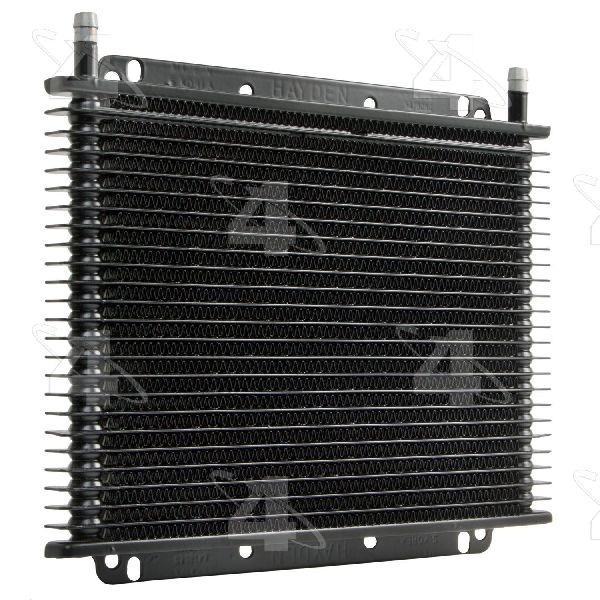
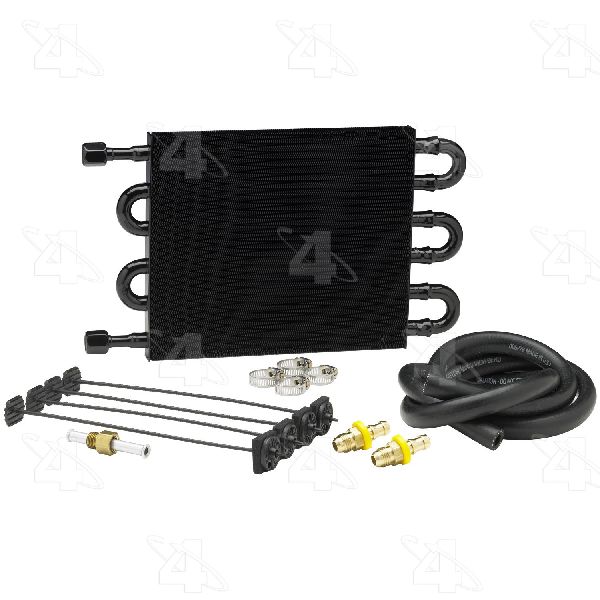
For an older truck like the 2002-2008 B3000, aftermarket coolers are a smart choice. They are widely available and can offer better performance than the original factory part. Coolers come in two main types: tube-and-fin and stacked-plate. Stacked-plate designs are generally more durable and efficient at cooling. Here’s a breakdown of common brands:
Brand Tiers for Your Mazda B3000
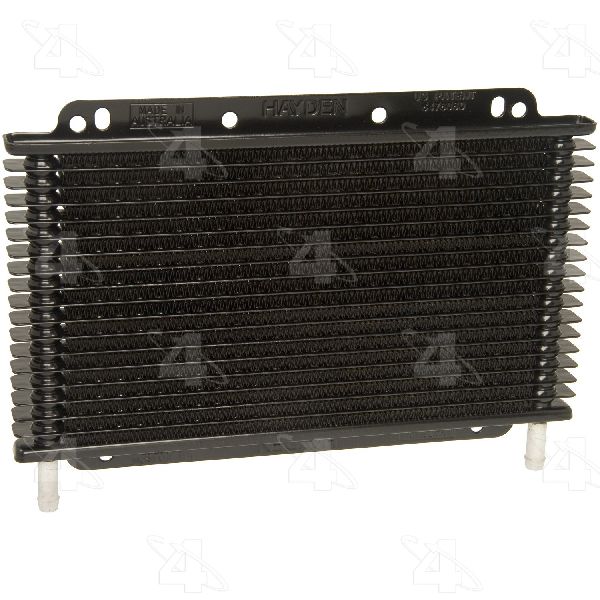
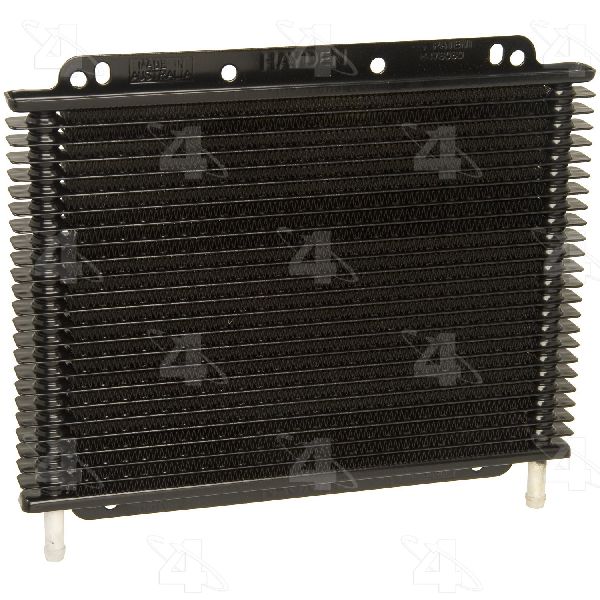
- Premium/Heavy-Duty (Derale, Hayden): These brands are well-regarded for performance and durability. They often feature stacked-plate designs that provide excellent cooling, making them a great upgrade if you tow or live in a hot climate. Many owners choose these for their superior cooling efficiency.
- Standard Replacement (Dorman, Four Seasons, Global Parts): These brands focus on providing a direct, OE-style fit. Dorman is a very common choice for replacement lines and coolers that match the factory design and are known to fit well. Four Seasons and Global Parts offer reliable, budget-friendly options for daily driving needs.
Pro Tip: Upgrade for Towing
If you use your B3000 for towing or hauling heavy loads, investing in a heavy-duty stacked-plate cooler from a brand like Derale or Hayden is one of the best things you can do for your transmission's longevity. A cooler that is 33% more efficient can double the life of your transmission.
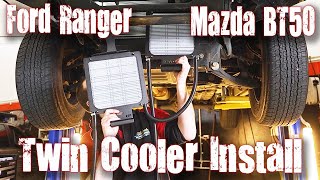
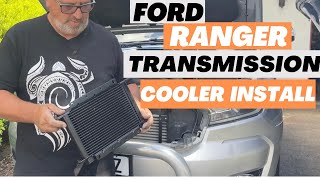
🎬 See this walkthrough on upgrading your Ranger's transmission cooler.Cost to Replace Your Transmission Cooler
The cost for a new aftermarket cooler is reasonable, but letting the problem go can lead to a multi-thousand-dollar transmission replacement. Here are the expected costs:
| Part Type | Part Cost | Labor Cost | Total Cost |
|---|---|---|---|
| New Aftermarket Cooler | $52 - $180 | $100 - $250 | $152 - $430 |
| New Aftermarket Lines | $25 - $75 | $80 - $200 | $105 - $275 |
*Cost estimates are for the part and labor for a transmission cooler or lines. Prices can vary based on your location and the specific repair shop.
Frequently Asked Questions
Can I replace just the leaking hoses?
Yes. Often, the cooler itself is fine, but the rubber hoses or metal lines have failed. Replacing the lines is a common repair. Use high-quality hydraulic hose and good clamps to prevent future leaks.
What's the difference between a tube-and-fin and a stacked-plate cooler?
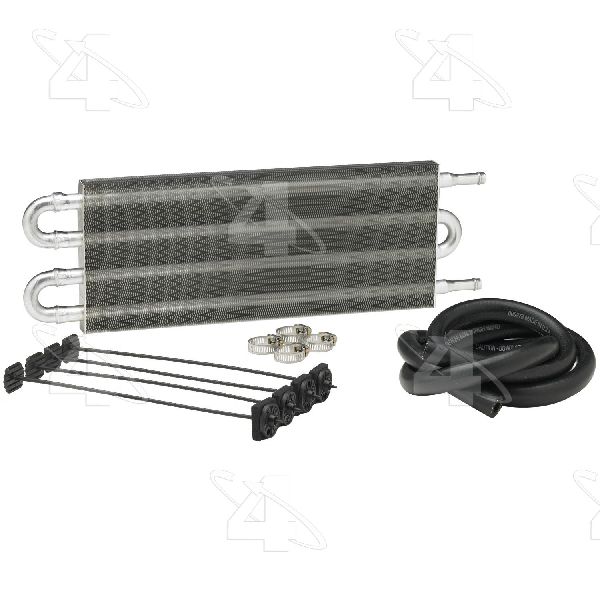
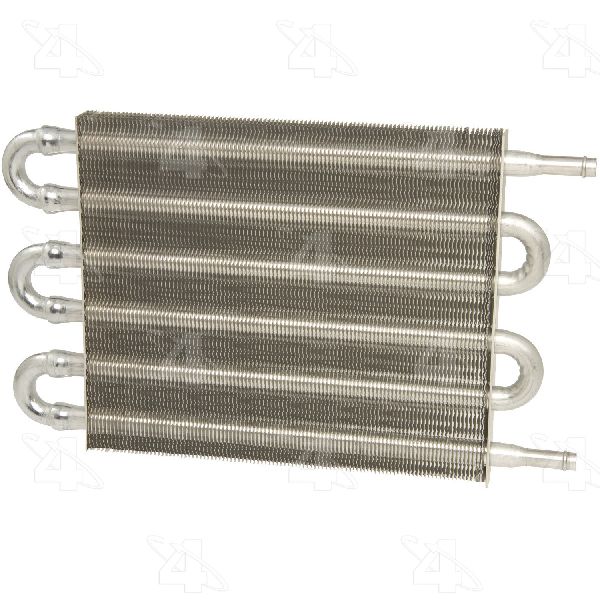
Tube-and-fin coolers are the traditional design, similar to a small radiator. Stacked-plate coolers are more modern, durable, and efficient, dispersing heat over a larger surface area. For heavy use, a stacked-plate design is superior.
Do I need a new cooler if I get a new transmission?
Yes, absolutely. Most transmission rebuilders require you to install a new cooler to honor their warranty. Debris from the old, failed transmission can get stuck in the old cooler and will immediately contaminate and destroy your new transmission.
Is this a DIY job?
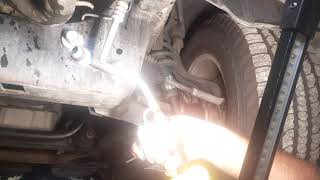
For a mechanically skilled owner, yes. The cooler is usually mounted in front of the radiator and is accessible after removing the grille. The main challenges are dealing with tight spaces and ensuring the new lines are connected without leaks. 🎬 Watch: A pro trick for removing stubborn transmission lines. You will lose some transmission fluid, so you'll need to be prepared to top it off.
Helpful Videos

Technical Specifications
OEM Part Numbers: 1L5Z7A095AA F87Z7A095CA
The 2002-2008 Mazda B3000 uses an external, auxiliary air-to-fluid cooler mounted in front of the A/C condenser and radiator. It connects via metal and rubber lines to the automatic transmission. Common aftermarket sizes are in the range of 10" x 15".
We Have This Part in Stock

The information in this article is provided for general reference and educational purposes only. Vehicle specifications, procedures, and part compatibility can vary by production date, trim level, and region. Always consult your vehicle's factory service manual and verify part numbers before purchasing or performing repairs. Safety-critical components such as airbags, seat belts, and braking systems should be installed by a qualified professional.
- Mazda B3000: