

Guide to Replacing Disc Brake Calipers on a 2002-2008 Mazda B3000
Stop your truck from pulling to one side and restore its braking power by addressing common caliper failures.
- The most common issue is a sticking caliper, which causes pulling, overheating, and uneven pad wear.
- Always replace calipers in pairs (both front left and right) to ensure balanced braking.
- Buy a new caliper that includes the mounting bracket if your old one is corroded or the slide pins are seized.
- Properly lubricating the caliper slide pins with silicone grease during installation is essential to prevent future problems.
Is Your Mazda B3000's Brake Caliper Failing?
The front disc brake calipers on the 2002-2008 Mazda B3000, which shares its design with the Ford Ranger, are a common wear item. The most frequent issue is the caliper sticking or seizing. This happens when corrosion builds up or when the slide pins that allow the caliper to move freely get stuck due to old, dried-up grease. A seized caliper can't release its grip on the brake rotor, causing constant drag on one wheel.
Symptoms of a Bad Brake Caliper
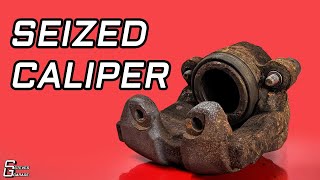
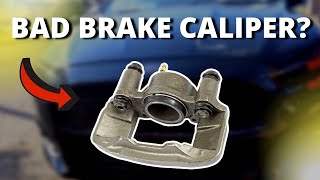
🎬 Watch this video to learn how to diagnose a seized caliper.- Pulling to One Side: If the truck pulls to the left or right when you brake, it's a classic sign of a stuck caliper.
- Burning Smell: A continuous burning odor from one of the front wheels after a drive indicates that the brake is dragging and overheating.
- Uneven Brake Pad Wear: When you inspect your brake pads, if the pad on one side of the rotor is much thinner than the other, it points to a seized caliper piston or stuck slide pins.
- Visible Brake Fluid Leak: Puddles of fluid near your wheel or a constantly low brake fluid reservoir can mean a seal in the caliper has failed.
- Spongy or Soft Brake Pedal: If a caliper is leaking or has a damaged seal, air can get into the hydraulic system, making the pedal feel soft.
Choosing the Right Aftermarket Caliper
For a vehicle of this age, a quality new aftermarket caliper is a reliable and budget-friendly choice. The original calipers may have used either steel or phenolic (a type of composite resin) pistons. Both types are available in the aftermarket.
- Phenolic Pistons: These are a great choice for daily driving. They don't rust and are better at insulating the brake fluid from heat, which helps prevent the fluid from boiling under heavy use.
- Steel Pistons: These are very strong but can be prone to rust in wet climates, which can lead to a seized piston.
Pro Tip: When shopping, you will see calipers sold "with bracket" or "without bracket." If your old slide pins are frozen in place or the bracket is heavily rusted, save yourself a headache and buy the new caliper that includes a new mounting bracket. This ensures the new caliper can move freely as it should.
Aftermarket Brand Tiers
The brands available offer a range from standard replacement to performance upgrades.
- Standard Replacement (Cardone, BBB Industries, Dynamic Friction): These brands offer new and remanufactured calipers that meet original specifications. They are a cost-effective solution for getting your truck back on the road safely. Some remanufactured options may have thinner coatings that can show surface rust sooner than premium options.
- Mid-Grade (Centric, Raybestos): Often considered a step up, these brands are known for consistent quality and often feature better anti-corrosion coatings. They are a popular choice among DIY mechanics for their reliability.
- Performance Upgrade (PowerStop): PowerStop often sells calipers as part of a complete kit with upgraded pads and rotors. These are a good option if you tow, haul heavy loads, or simply want improved braking performance.
Estimated Replacement Costs
| Part Type | Estimated Part Cost (per caliper) | Estimated Shop Labor Cost |
|---|---|---|
| New Aftermarket Caliper | $55 - $145 | $100 - $200 per side |
| Remanufactured Aftermarket Caliper | $45 - $90 |
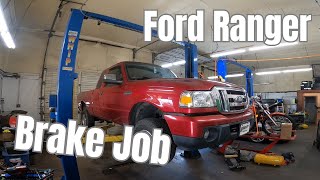
Costs are estimates and may vary based on location, brand, and whether the caliper includes a bracket. Labor costs typically include installing the new caliper and bleeding the brake system. 🎬 Watch a complete brake job on a similar Ford Ranger model.
Frequently Asked Questions
Should I replace calipers in pairs?
Yes, it is highly recommended. Replacing both front calipers at the same time ensures even braking performance and prevents the truck from pulling to one side. Since they are the same age, if one has failed, the other is likely not far behind.
Do I need to bleed the brakes after replacing a caliper?
Absolutely. Whenever you open the hydraulic system by disconnecting a brake line, you must bleed the brakes to remove all air bubbles. Air in the lines will cause a spongy pedal and severely reduce braking power.
What else should I replace at the same time?
It is best practice to install new brake pads and often new brake rotors when replacing calipers. A seized caliper almost always causes damage or uneven wear to the pads and can overheat and warp the rotor. You should also replace the two small copper washers for the banjo bolt that connects the brake hose to the caliper. Most new calipers include this hardware.
Can I do this job myself?
If you have experience with auto repair and the right tools, this is a manageable DIY job. You will need a good socket set, a torque wrench, a C-clamp to compress the piston (if needed), and a brake bleeding kit. If you are not comfortable working on brakes, it is best to have a professional mechanic do the work.
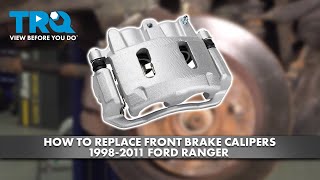
🎬 See this step-by-step walkthrough for replacing your front brake calipers.Helpful Videos
Technical Specifications
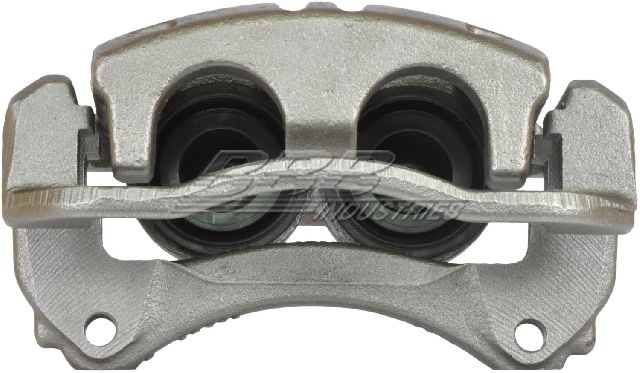
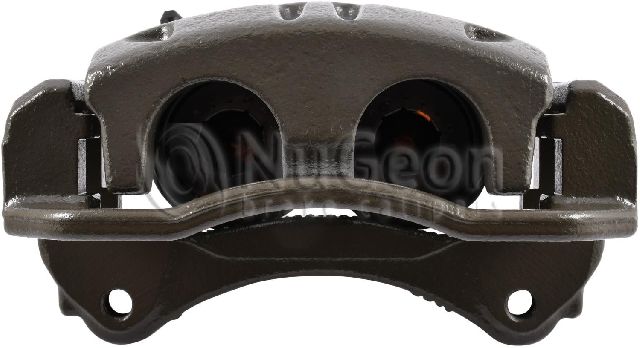
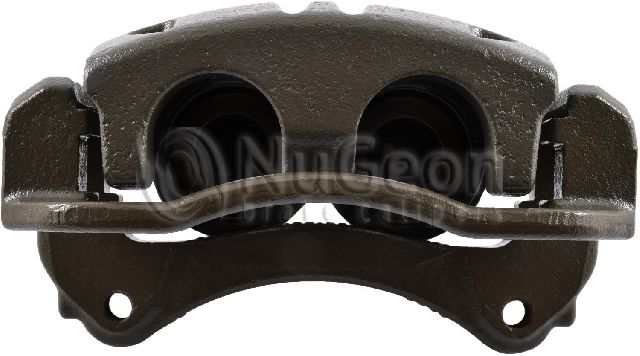
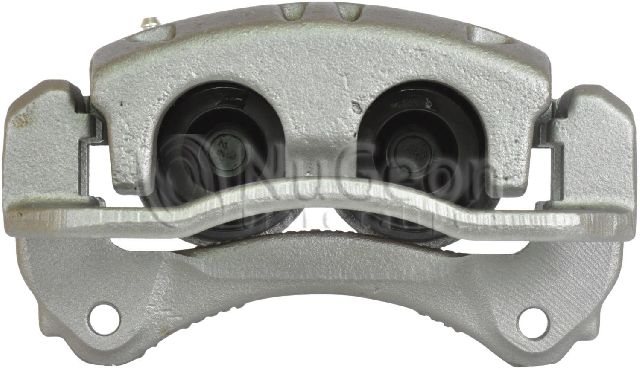
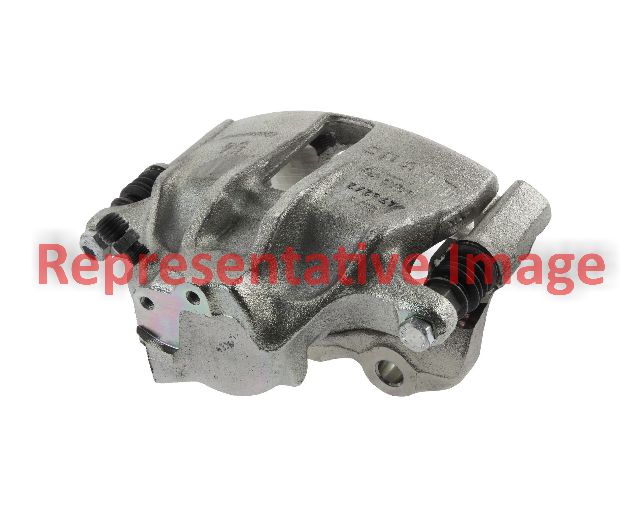
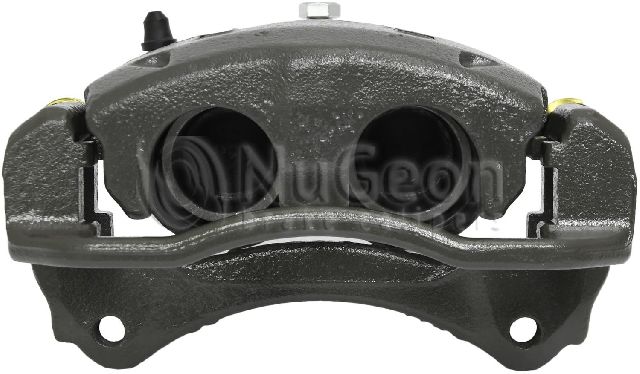
The front calipers on a 2002-2008 Mazda B3000 are a twin-piston design. Aftermarket replacements are available with either steel or phenolic pistons. Calipers are sold with or without the mounting bracket.
We Have This Part in Stock

The information in this article is provided for general reference and educational purposes only. Vehicle specifications, procedures, and part compatibility can vary by production date, trim level, and region. Always consult your vehicle's factory service manual and verify part numbers before purchasing or performing repairs. Safety-critical components such as airbags, seat belts, and braking systems should be installed by a qualified professional.
- Mazda B3000: