

Mitsubishi Lancer Drive and Serpentine Belt Guide (2002-2008)
Everything you need to know before replacing the drive belts on your 2002-2008 Mitsubishi Lancer.
- Verify your system: 2002-2007 models use two separate drive belts, while 2008 models use a single serpentine belt.
- Check for recall issues on 2008 models; the original belt design was faulty and could cause pulley damage.
- High-quality aftermarket brands like Gates, Continental, and Dayco are reliable and cost-effective choices.
- For a long-lasting repair, always inspect and consider replacing the belt tensioner and idler pulleys at the same time as the belt.
Understanding Your Lancer's Belt System: 2002-2007 vs. 2008
Before buying a replacement, it's crucial to know that the 2002-2008 Lancer generation uses two different belt systems. Ordering the wrong part is a common mistake.
- 2002-2007 Lancer (Non-Turbo): These models use a two-belt system. One belt drives the alternator, while a second, separate belt drives the power steering pump and A/C compressor. You will need to order two different belts to service the entire system.
- 2008 Lancer: This model year switched to a modern, single serpentine belt system. This one belt is responsible for powering all the accessories.
Symptoms of a Failing Serpentine or Drive Belt
A worn-out belt will give you several warning signs. Ignoring them can leave you stranded.
- Squealing Noises: The most common symptom is a high-pitched squeal from the engine bay, especially on startup or when the A/C is turned on. This noise is caused by the belt slipping on the pulleys.
- Visible Wear: A visual inspection can reveal a lot. Look for cracks, fraying, glazing (a shiny, smooth surface), or missing ribs on the belt.
- Accessory Failure: If your battery isn't charging (alternator), power steering feels heavy, or the A/C blows warm, the belt may have failed completely.
- Burning Smell: A strong smell of burning rubber can mean a pulley has seized, causing the belt to drag over it and burn. This requires immediate attention.
Known Issues: 2008 Lancer Drive Belt Recall
Mitsubishi issued a recall for certain 2008-2011 Lancer models (NHTSA Campaign ID: 17V431000). The original factory drive belt material could cause excessive wear on the pulleys, which could lead to the belt detaching. A detached belt causes a loss of power steering, stops the battery from charging, and can lead to engine overheating. When replacing the belt on a 2008 model, it is critical to also inspect the tensioner and idler pulleys for any signs of unusual wear.
Choosing the Right Aftermarket Belt
The original equipment (OEM) belts on these Lancers are good, but high-quality aftermarket brands offer the same or better performance, often for less money. Given the recall on 2008 models, a modern aftermarket belt is an excellent choice. Brands like Gates, Continental, and Dayco are trusted by professional mechanics.
- Premium Aftermarket (Recommended): Brands like Gates, Continental, and Dayco are top-tier choices. They use modern EPDM rubber compounds that resist cracking and heat better than older materials. Many professionals consider them equal to or better than OEM.
- OEM-Equivalent: Brands like Bando and INA are often the original manufacturers for Japanese and European automakers. Choosing one of these is essentially like buying the OEM part without the dealership packaging.
Pro Tip: Replace the Tensioner and Pulleys
The belt tensioner and any idler pulleys have bearings that wear out over time. A worn tensioner can't keep proper tension on the belt, causing slippage and noise, while a seized pulley can destroy a new belt instantly. It is highly recommended to replace the tensioner and pulleys when you replace the belt, especially if your Lancer has over 75,000 miles or if you're servicing a 2008 model affected by the recall.
Cost of Replacing a Mitsubishi Lancer Serpentine Belt
| Part Type | Estimated Cost |
|---|---|
| New Aftermarket Belt(s) | $9.46 - $68.30 |
| New OEM Belt(s) | $36 - $112 |
| Shop Labor | $74 - $109 |
| Total Professional Replacement | $110 - $221 |
Frequently Asked Questions (FAQ)
How often should I replace my Lancer's drive belts?
A good rule of thumb is to inspect the belts every year and plan for replacement between 60,000 and 90,000 miles. However, if you see any signs of cracking, fraying, or hear persistent squealing, you should replace them immediately, regardless of mileage.
Can I drive my Lancer if the serpentine belt breaks?
No. A broken belt will cause the alternator to stop charging the battery, and the car will run only until the battery dies. It will also likely cause the engine to overheat and you will lose power steering assist, making the car very difficult to control. Pull over safely as soon as possible.
Is this a difficult DIY job?
For a 2008 Lancer with an automatic tensioner, it's a relatively easy job for a DIYer with basic tools; you just need to release the tensioner to slip the old belt off and the new one on. For 2002-2007 models, it's slightly more complex as you may need to loosen the alternator or power steering pump to adjust tension on the two separate belts.
What is the difference between a serpentine belt and a timing belt?
The serpentine belt (or accessory belts) runs components on the outside of the engine. The timing belt is located inside the engine under a cover and synchronizes the engine's crankshaft and camshafts. A timing belt failure will cause severe engine damage, while a serpentine belt failure will disable the car but usually won't cause internal engine damage.
Technical Specifications
OEM Part Numbers: MD373620 (Alternator Belt, 2002-2007) 4PK775 (Alternator Belt, 2002-2007) MD373622 (A/C & Power Steering Belt, 2002-2007) 5PK1310 (A/C & Power Steering Belt, 2002-2007) 4451A115 (Serpentine Belt, 2008+)
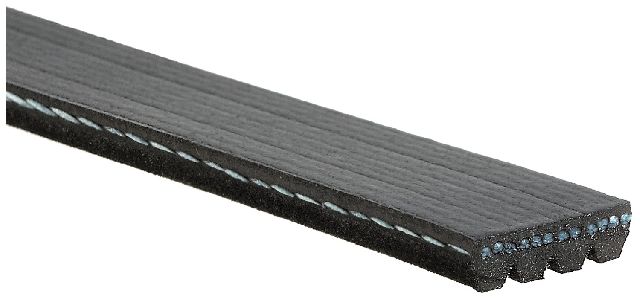
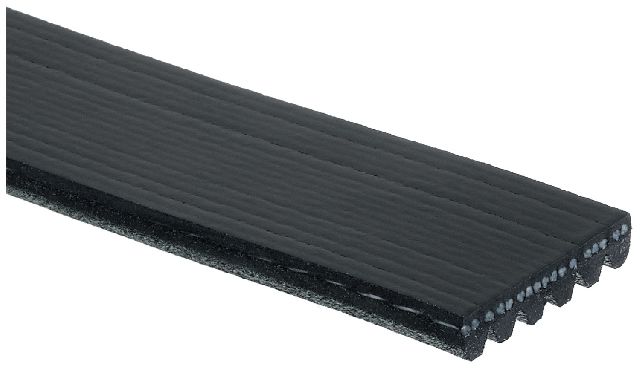
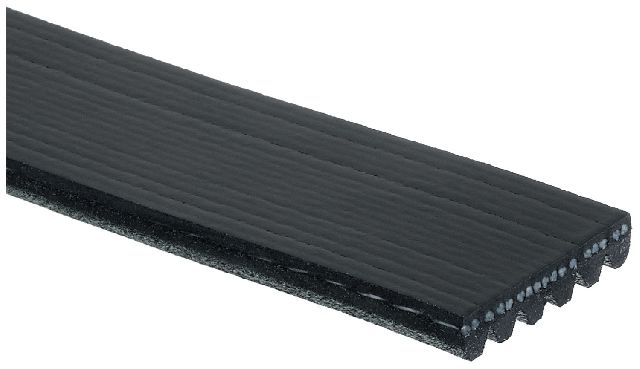
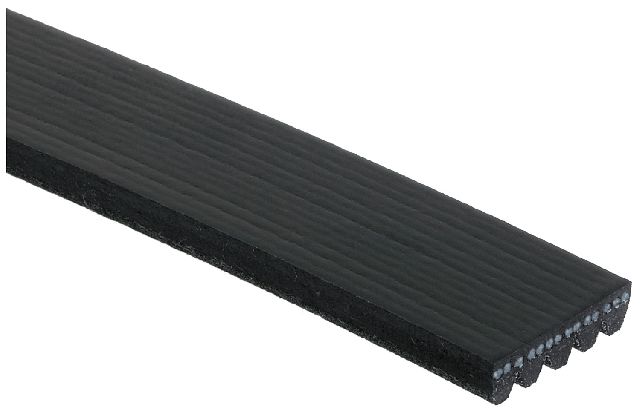
Material: EPDM (Ethylene Propylene Diene Monomer) Rubber. Type: Multi-Groove (Poly-V).
We Have This Part in Stock

The information in this article is provided for general reference and educational purposes only. Vehicle specifications, procedures, and part compatibility can vary by production date, trim level, and region. Always consult your vehicle's factory service manual and verify part numbers before purchasing or performing repairs. Safety-critical components such as airbags, seat belts, and braking systems should be installed by a qualified professional.
- Mitsubishi Lancer:
- 🛍️ Shop This Part
- Understanding Your Lancer's Belt System: 2002-2007 vs. 2008
- Symptoms of a Failing Serpentine or Drive Belt
- Known Issues: 2008 Lancer Drive Belt Recall
- Choosing the Right Aftermarket Belt
- Pro Tip: Replace the Tensioner and Pulleys
- Cost of Replacing a Mitsubishi Lancer Serpentine Belt
- Frequently Asked Questions (FAQ)
- 🎟️ Get 5% Off