

Audi A4 Engine Coolant Temperature Sensor Guide (2002-2009)
An essential guide for understanding, diagnosing, and replacing the engine coolant temperature sensor on your B6 or B7 Audi A4.
- A failing ECT sensor on a 2002-2009 Audi A4 commonly causes an erratic temperature gauge, constant fan operation, and may trigger a P2181 code.
- Replacement is a simple, sub-one-hour DIY job, but be prepared for some coolant loss.
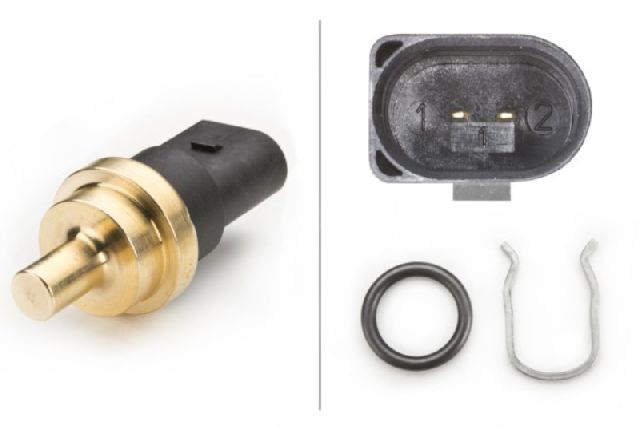
- Always replace the O-ring and retaining clip with the new parts provided with the sensor.
- Choosing a quality aftermarket brand like Hella, Vemo, or CRP (Febi) is recommended over budget options for reliability on this vehicle.
Is Your Audi A4's Temperature Gauge Acting Up?
A faulty Engine Coolant Temperature (ECT) sensor is a common issue on the B6 and B7 generation Audi A4. This sensor can cause a range of confusing symptoms, from a check engine light to poor engine performance. Because the sensor's reading affects so many other systems, a bad sensor can make you think you have a much bigger problem. Luckily, it's an inexpensive and relatively easy part to replace.
Symptoms of a Failing Coolant Temperature Sensor
When the ECT sensor starts to fail, it can send incorrect signals to your car's computer. You might notice one or more of the following issues:
🎬 Watch a breakdown of common symptoms for a failing sensor.- Erratic Temperature Gauge: The needle on your dashboard might swing from cold to hot, stay at zero, or jump to max immediately after starting.
- Engine Cooling Fans Run Constantly: The fans may stay on all the time, even when the engine is cold, or they may not turn on at all when the engine is hot.
- Check Engine Light: A faulty sensor will often trigger a Check Engine Light. A common trouble code associated with this is P2181 ("Cooling System Performance"). 🎬 See how to fix error code P2181 on a B7 Audi.
- Poor Fuel Economy: If the ECU thinks the engine is cold when it's not, it will inject more fuel than necessary, hurting your gas mileage.
- Difficulty Starting: In rare cases, if the sensor is telling the ECU the engine is extremely cold (-40 degrees, for example), it can lead to a no-start condition.
- Black Smoke from Exhaust: A rich fuel mixture caused by a bad sensor reading can sometimes result in black smoke from the tailpipe.
Known Issues & Recalls
While there are no specific recalls or Technical Service Bulletins (TSBs) from Audi for the engine coolant temperature sensor on the 2002-2009 A4, there have been recalls for the electric coolant pump on later model years for a potential fire risk. These are separate issues. The primary known issue for the sensor is simply failure due to age, leading to the symptoms listed above.
Choosing the Right Aftermarket Sensor
When it comes to electronic sensors for a German car, quality matters. While you don't necessarily need to buy the expensive OEM part from a dealer, choosing a reputable aftermarket brand is important for accuracy and longevity. A cheap, poorly made sensor can fail quickly or provide inaccurate readings, causing the same problems you were trying to fix.
| Brand Tier | Brands | Assessment |
|---|---|---|
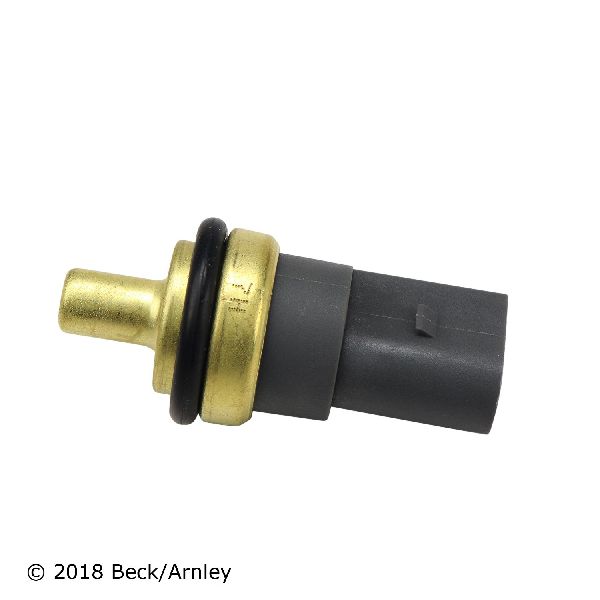
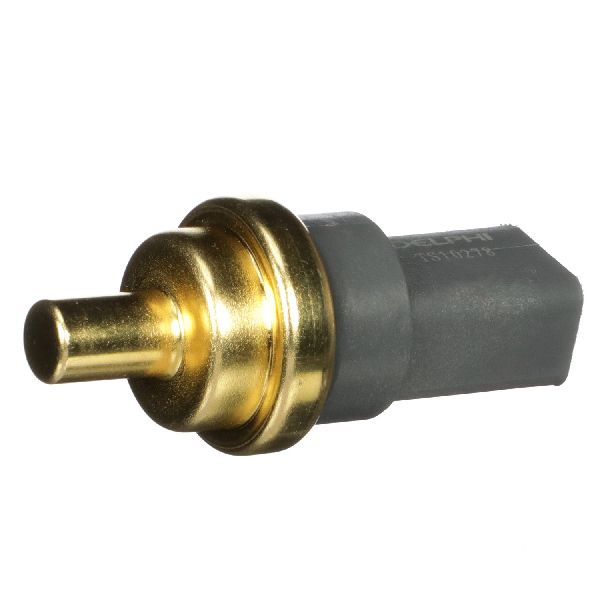
| OEM / OE-Equivalent | Hella, Vemo, CRP (Febi), Delphi | These brands are often Original Equipment (OE) suppliers to Volkswagen/Audi or have a strong reputation for producing high-quality, reliable parts that meet or exceed OEM specifications. Forum users often recommend Febi (part of CRP) for this specific sensor. Choosing from this tier is a safe bet for a long-lasting repair. |
| Quality Aftermarket | Beck Arnley, Standard Ignition (NGK), Holstein | These are well-known aftermarket brands that generally produce reliable components. They are a solid choice if an OE-equivalent brand is not available or if you're looking for a balance between price and quality. |
| Economy | Four Seasons, Motorad, True Tech, Walker Products, Global Parts | These brands provide a budget-friendly option. While they can get your car back on the road, their longevity and the precision of their temperature readings may not match the higher-tier brands. Some owners advise against using budget electrical parts on Audis. |
Pro Tip: Check the Pins!
Some Audi A4 models use a 4-pin sensor while others use a 2-pin version. Before ordering, it's wise to visually inspect your current sensor if possible. One owner reported being sold the wrong part, causing a delay in the repair. Always verify the part fitment for your specific year and engine.
Frequently Asked Questions (FAQ)
Is it hard to replace the Audi A4 coolant temp sensor?
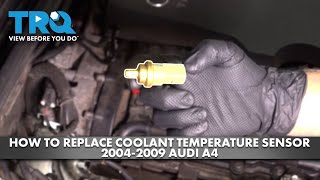
No, it is considered a relatively easy DIY job for most home mechanics. It typically takes less than an hour. The main challenge can be accessing the sensor, which is often in a tight spot at the back of the engine or on the lower radiator hose.
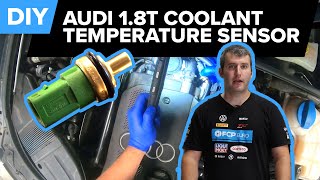
🎬 Follow this DIY walkthrough for replacing the sensor on 1.8t engines.What tools do I need for the replacement?
You'll need basic tools like a flathead screwdriver to release the clips and possibly pliers. You will also need a drain pan to catch coolant that will spill when the old sensor is removed.
Do I need to drain all the coolant to change the sensor?
You don't need to drain the entire system. However, the sensor is located below the coolant level, so some coolant will drain out when you remove it. Be prepared to catch it and top off the system with the correct G12/G13 coolant afterward.
My new sensor came with a small plastic clip and a rubber O-ring. Do I need to use them?
Yes, it is critical to use the new O-ring and retaining clip that come with the new sensor. The O-ring creates the seal, and the old one can be brittle or stuck in the housing. Always make sure the old O-ring is removed before installing the new sensor. The new clip ensures the sensor stays locked in place.
Helpful Videos
Technical Specifications
OEM Part Numbers: 06A919501A 059919501A
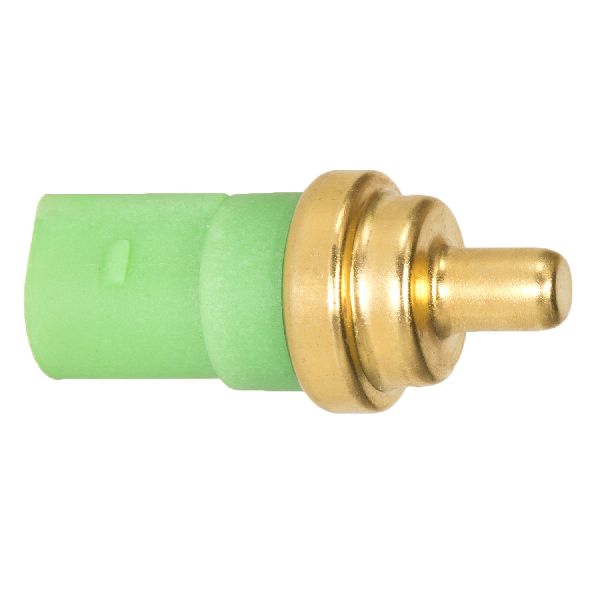
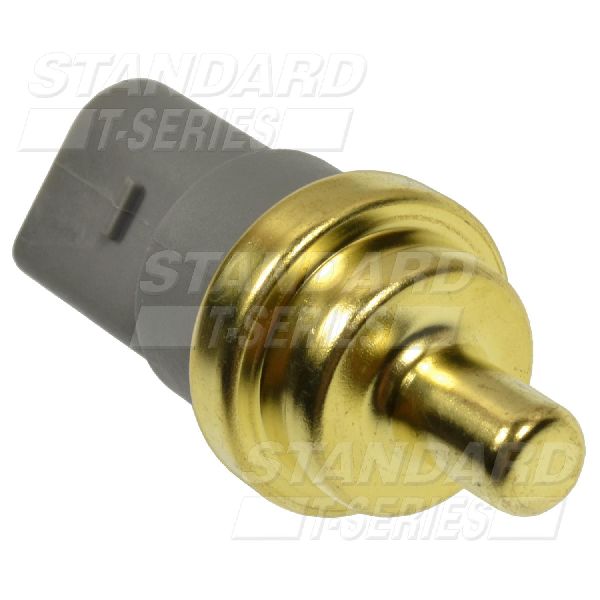
The sensor for the Audi A4 (B6/B7) is typically a 4-pin or 2-pin thermistor-type sensor that is held in place by a plastic clip and sealed with a rubber O-ring. It provides temperature data to both the ECU and the instrument cluster gauge.
We Have This Part in Stock


The information in this article is provided for general reference and educational purposes only. Vehicle specifications, procedures, and part compatibility can vary by production date, trim level, and region. Always consult your vehicle's factory service manual and verify part numbers before purchasing or performing repairs. Safety-critical components such as airbags, seat belts, and braking systems should be installed by a qualified professional.
- Audi A4: