

Ford E-150 Oxygen Sensor Guide for 2002-2009 Models
Keep your Ford E-150 running smoothly by understanding its oxygen sensors.
- Your E-150 has four O2 sensors; use a code scanner to identify the specific one that has failed before buying a replacement.
- Accessing the upstream sensors is often done from inside the van by removing the engine cover ('doghouse').
- Sensors can be very tight or rusted in place; use a special O2 sensor socket and penetrating oil to make removal easier.
- Ignoring a bad O2 sensor will hurt your gas mileage and can lead to expensive catalytic converter damage.
Understanding Your E-150's Oxygen Sensors
Your 2002-2009 Ford E-150, whether it has the 4.6L or 5.4L V8 engine, uses four oxygen sensors to manage engine performance and emissions. A bad O2 sensor can cause the check engine light to come on, hurt your fuel economy, and make the engine run rough. It's important to fix this to avoid more expensive problems later, like a damaged catalytic converter.
Don't Ignore a Bad O2 Sensor
While you can drive with a faulty oxygen sensor, it's not a good idea. Your van will use more gas, and over time, it can ruin your catalytic converter—a much more expensive part to replace.
How to Find the Right Sensor
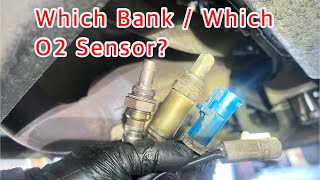
Your E-150 has four sensors in specific spots. Using a code scanner to read the trouble code will tell you exactly which one needs to be replaced. The codes will identify the sensor by its bank and position:
- Bank 1 is on the passenger side of the engine.
- Bank 2 is on the driver's side of the engine.
- Sensor 1 is the "upstream" sensor, located before the catalytic converter. It helps control the fuel mixture.
- Sensor 2 is the "downstream" sensor, located after the catalytic converter. It monitors the converter's performance.
For example, a code P0136 refers to Bank 1, Sensor 2. 🎬 Learn how to identify and replace Bank 1 Sensor 2. That's the downstream sensor on the passenger side. The upstream and downstream sensors are not the same and cannot be swapped.
Choosing an Aftermarket Brand
When it comes to aftermarket oxygen sensors, quality can vary. For Ford vehicles, some brands are known to be more reliable than others.
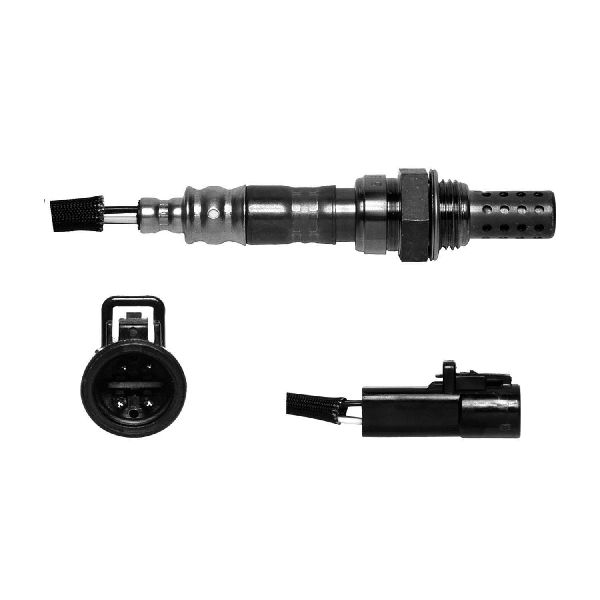
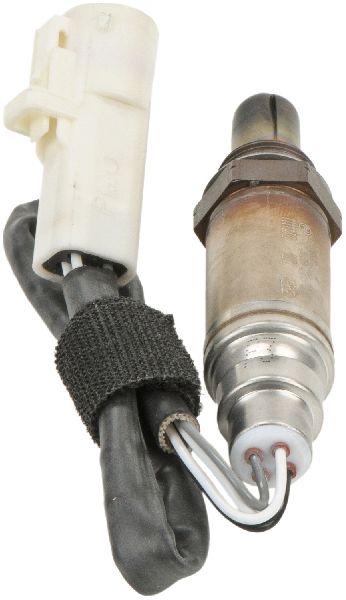
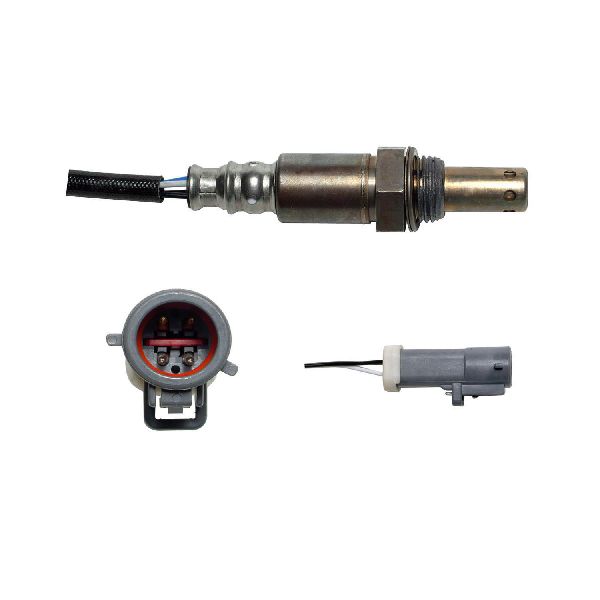
- Top Tier (OEM Quality): Brands like NGK (NTK) and Denso are often the original equipment manufacturers for Ford. They offer excellent fit and performance and are highly recommended by mechanics. Bosch is also a popular choice, though you should ensure it's a direct-fit model for your van.
- Mid-Tier (Reliable Alternatives): Brands like Walker Products and Spectra offer a good balance of quality and price. They are reliable direct-fit options that meet or exceed OEM specifications.
- Economy Tier: Brands like DriveWire may be more affordable but might not have the same lifespan or perfect fit as higher-tier options.
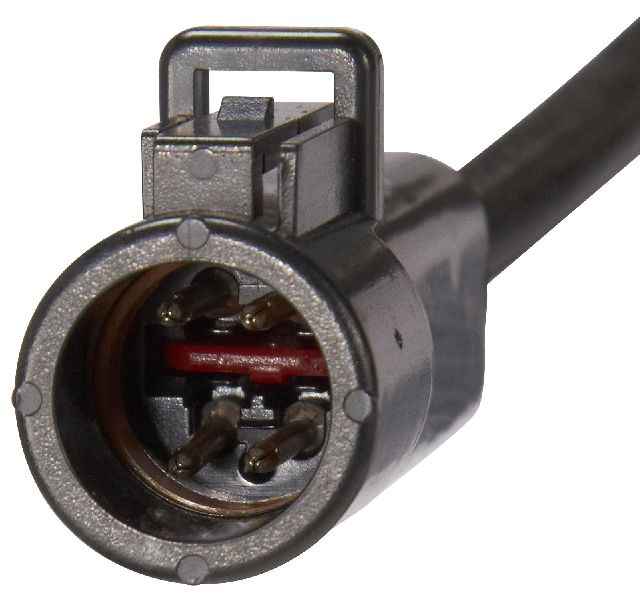
Pro Tip: Always choose a "direct-fit" sensor. These come with the correct plug for your van and don't require any wire cutting or splicing. New sensors often come with anti-seize compound on the threads, which is important for making future replacement easier.
Known Issues and Recalls
Searches of the National Highway Traffic Safety Administration (NHTSA) database did not show any specific recalls for oxygen sensor failure on the 2002-2009 Ford E-150. However, Ford has issued Technical Service Bulletins (TSBs) for some O2 sensor codes like P2270, which suggests it's a known issue that dealers can diagnose. Some owners have reported finding that the upstream sensors were not fully tightened from the factory, leading to exhaust leaks and fault codes.
| Item | Estimated Cost |
|---|---|
| New Aftermarket Sensor | $40.88 - $106.93 |
| New OEM Sensor (Motorcraft) | $70 - $130+ |
| Shop Labor (per sensor) | $85 - $150 |
Frequently Asked Questions
How hard is it to replace an E-150 oxygen sensor?
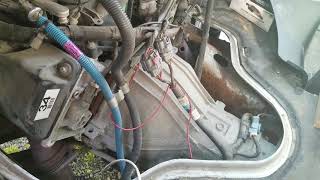
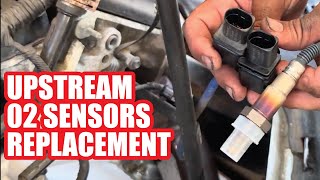
It's a DIY-friendly job for many. The downstream (Sensor 2) sensors are accessed from under the van. The upstream (Sensor 1) sensors are often easier to reach from inside by removing the engine cover, or "doghouse." 🎬 Watch this video to see how to replace upstream sensors. The hardest part is often breaking the old sensor loose, as it can be rusted into the exhaust pipe. Using a special O2 sensor socket and penetrating oil is highly recommended.
What tools do I need?
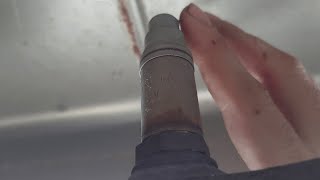
You'll need a ratchet, a special 7/8" (or 22mm) oxygen sensor socket with a slit for the wire, and possibly a breaker bar 🎬 See the 7/8" socket and Bosch sensor in action. for extra leverage. Applying penetrating oil to the old sensor's threads before you start can help a lot.
Should I replace all four sensors at once?
It's not always necessary. Use a code scanner to see which specific sensor has failed. However, oxygen sensors wear out over time. If your van has high mileage (over 80,000 miles) and one sensor fails, the others might not be far behind. Replacing them in pairs (both upstream or both downstream) is a common practice.
What do the O2 sensor codes mean?
Codes like P0136, P0141, P0156, and P0161 point to the downstream (Sensor 2) sensors. Codes like P0130, P0135, P0150, and P0155 point to the upstream (Sensor 1) sensors. The bank number (Bank 1 or Bank 2) tells you which side of the engine the problem is on.
Helpful Videos
Technical Specifications
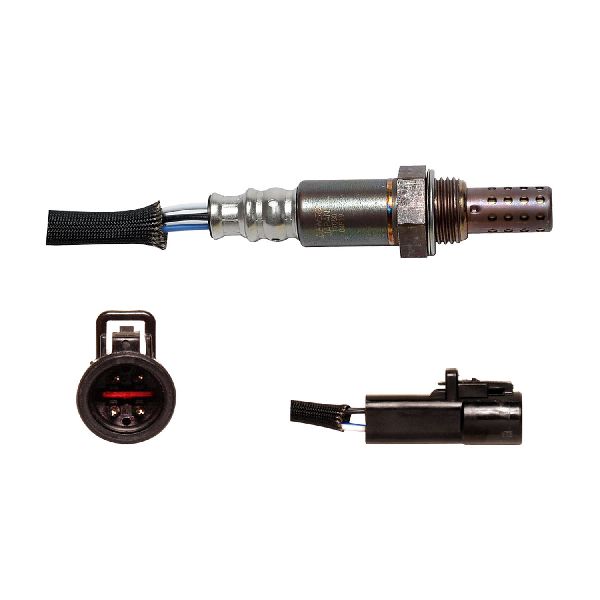
OEM Part Numbers: DY-1185 234-4127 234-4071
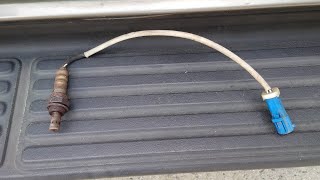
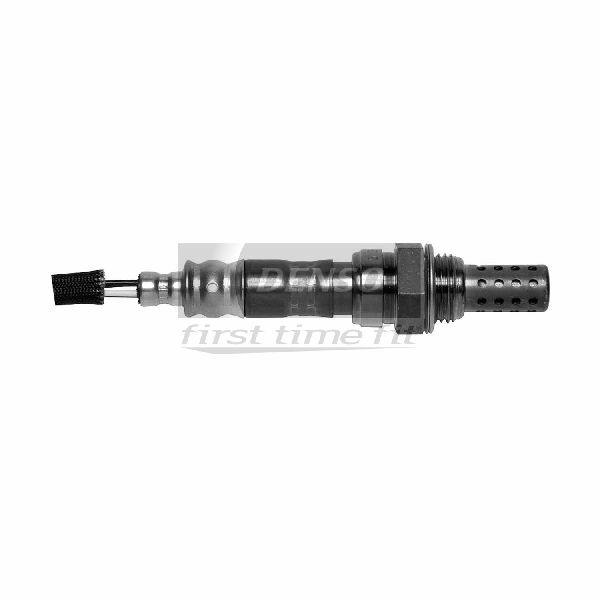
The 2002-2009 Ford E-150 uses four heated, 4-wire, narrow-band oxygen sensors. Upstream (Sensor 1) and downstream (Sensor 2) sensors are different part numbers and are not interchangeable. A 7/8" (22mm) hex size is standard for removal and installation.
We Have This Part in Stock

The information in this article is provided for general reference and educational purposes only. Vehicle specifications, procedures, and part compatibility can vary by production date, trim level, and region. Always consult your vehicle's factory service manual and verify part numbers before purchasing or performing repairs. Safety-critical components such as airbags, seat belts, and braking systems should be installed by a qualified professional.
- Ford E-150: