

Ford F-150 Oxygen Sensor Replacement Guide for 2002-2009 Models
Restore your truck's fuel economy and clear that check engine light by choosing the right oxygen sensor.
- Your F-150 likely has four O2 sensors; use a code scanner to identify the exact one that failed before buying a replacement.
- For reliable, long-lasting performance, choose an OEM-quality aftermarket brand like Denso or NTK.
- Sensors can be extremely difficult to remove due to rust. Soak the old sensor in penetrating oil before attempting removal.
- Ignoring a bad O2 sensor can lead to costly catalytic converter damage over time.
Is Your F-150's Oxygen Sensor Failing?

A bad oxygen sensor is a common reason for the check engine light to come on in 2002-2009 F-150s. When a sensor fails, it can't send the correct information to your truck's computer. This can lead to several noticeable problems, including a significant drop in gas mileage, a rough idle, and hesitation when you accelerate. In some cases, you might even notice black smoke from the exhaust or a smell like rotten eggs. Ignoring a bad O2 sensor can eventually damage your expensive catalytic converters, so it's a repair you shouldn't put off.
Choosing the Right Aftermarket Oxygen Sensor

You don't need to buy the most expensive sensor to get a quality part. For the 2002-2009 F-150, several aftermarket brands offer excellent performance, and some are even the original equipment manufacturer (OEM). When shopping, make sure you know the exact sensor you need, as they are not interchangeable.
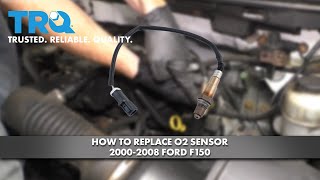
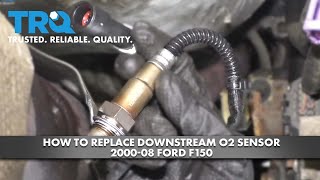
- Upstream vs. Downstream: Upstream sensors (Sensor 1) are located before the catalytic converter and are crucial for fuel control. Downstream sensors (Sensor 2) are located after the converter and monitor its efficiency. 🎬 Watch: Step-by-step guide to replacing a downstream sensor
- Bank 1 vs. Bank 2: On Ford V8 engines, Bank 1 is the passenger side, and Bank 2 is the driver's side. A code reader will tell you which specific sensor has failed 🎬 Watch: Locate every O2 sensor on your F-150 (e.g., "Bank 1, Sensor 1").
Aftermarket Brand Quality Tiers
Based on owner feedback and industry reputation, here’s how the available brands generally stack up for your F-150:
- Tier 1: OEM Quality (Recommended)
These brands are known to be original equipment suppliers for Ford or offer equivalent performance and longevity. You can install these with confidence.
Brands: Denso, NGK (also sold as NTK). - Tier 2: Quality Alternatives
These are reputable brands that produce reliable sensors. Bosch is a massive OEM supplier, but some Ford owners have reported mixed results, with some experiencing premature failures. Delphi is another established OE supplier with a solid reputation.
Brands: Bosch, Delphi. - Tier 3: Economy Options
These brands provide a functional replacement at a lower price point, but may not offer the same lifespan or perfect calibration as higher-tier options.
Brands: Walker Products, DriveWire, Spectra, Vemo.
Common Ordering Mistake
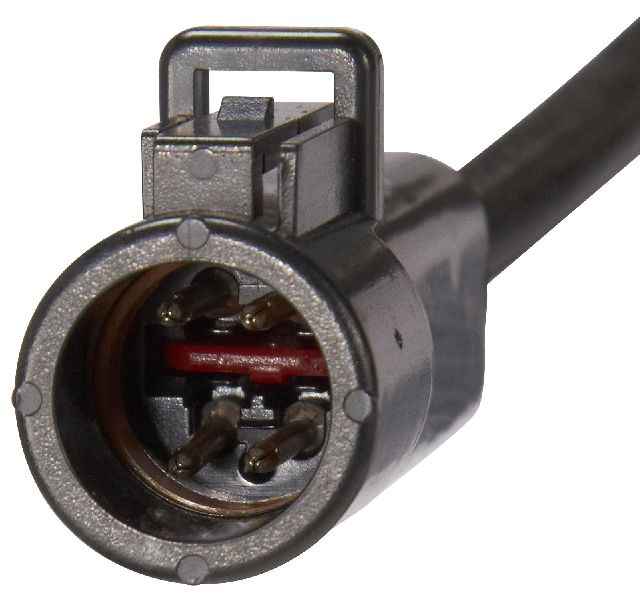
Always verify the exact location of the failed sensor before ordering. The check engine light code (e.g., P0131, P0155) will specify the bank and sensor number. Upstream and downstream sensors have different cable lengths and sometimes different connectors, so they are not interchangeable.
Cost of Replacing an F-150 Oxygen Sensor
The cost depends on the brand you choose and whether you do the work yourself. The job is possible for a DIYer, but sensors can be very difficult to remove if they are rusted in place.
| Part/Service | Estimated Cost |
|---|---|
| New Aftermarket Oxygen Sensor | $40 - $152 |
| New OEM (Motorcraft) Oxygen Sensor | $50 - $100 |
| Shop Labor Cost | $75 - $150 per sensor |
| Total Professional Replacement | $115 - $300+ per sensor |
Frequently Asked Questions


How many oxygen sensors does my 2002-2009 F-150 have?
Most V8 models from this generation have four oxygen sensors: one upstream and one downstream on each side of the exhaust (Bank 1 and Bank 2). V6 models also typically have multiple sensors.
What tools do I need to replace an oxygen sensor?
You will need a special oxygen sensor socket (usually 22mm or 7/8 inch) that has a slot for the wire to pass through. A good penetrating oil like PB Blaster or CRC Freeze Off is essential to loosen a seized sensor. You may also need a ratchet with extensions and potentially a breaker bar for extra leverage.
Which sensor is Bank 1, Sensor 1?
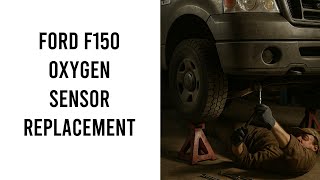
Bank 1 is on the passenger side of the engine. Sensor 1 is the upstream sensor, located in the exhaust manifold before the catalytic converter. This is often the most difficult sensor to access 🎬 See this walkthrough for replacing the upstream sensor and replace.
Can I clean my old oxygen sensor instead of replacing it?
While some people attempt to clean O2 sensors with cleaners, it is not a reliable or recommended fix. Contaminants can damage the internal sensing element, and cleaning only addresses surface deposits. For a lasting repair, replacement is the correct solution.
Do I need to use anti-seize on the new sensor?
Yes. Most new sensors come with anti-seize compound already applied to the threads. If yours does not, apply a small amount to the threads only, being very careful not to get any on the sensor tip. This will make it much easier to remove in the future.
Helpful Videos
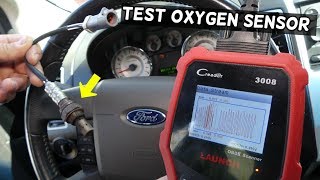
Technical Specifications
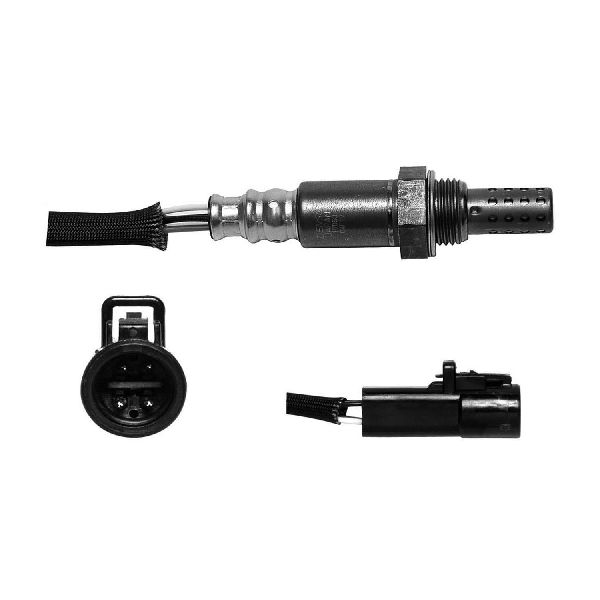
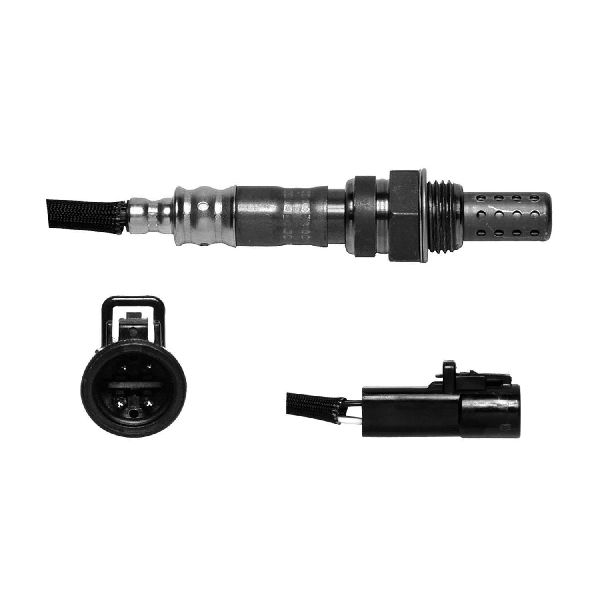
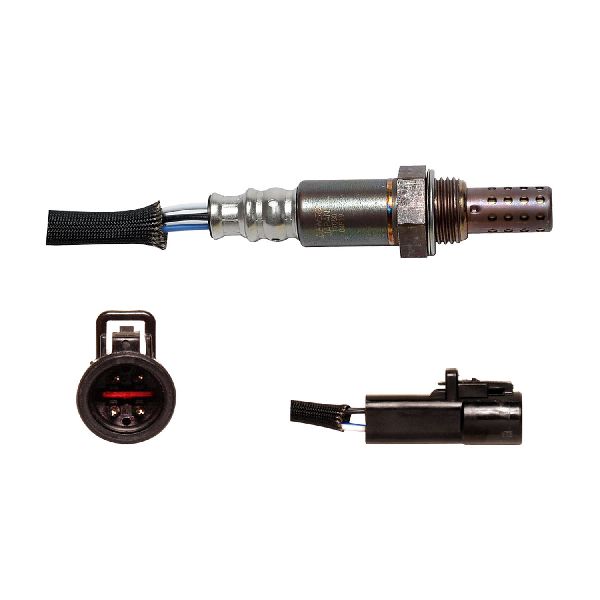
OEM Part Numbers: DY-835 DY-989 DY-1185 DY-1401
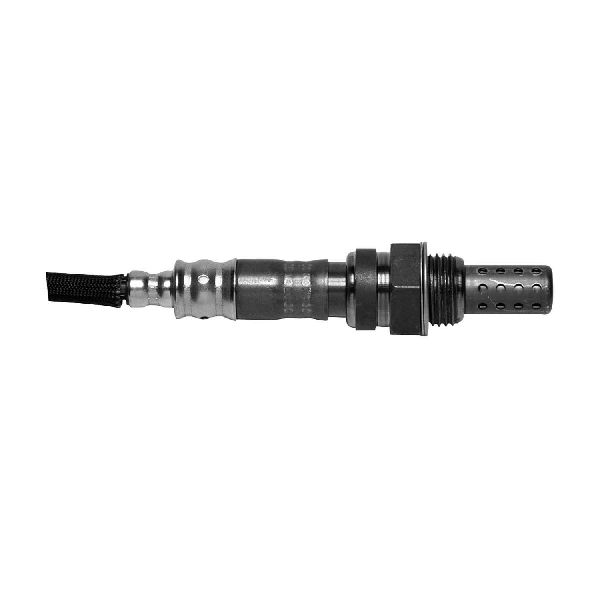
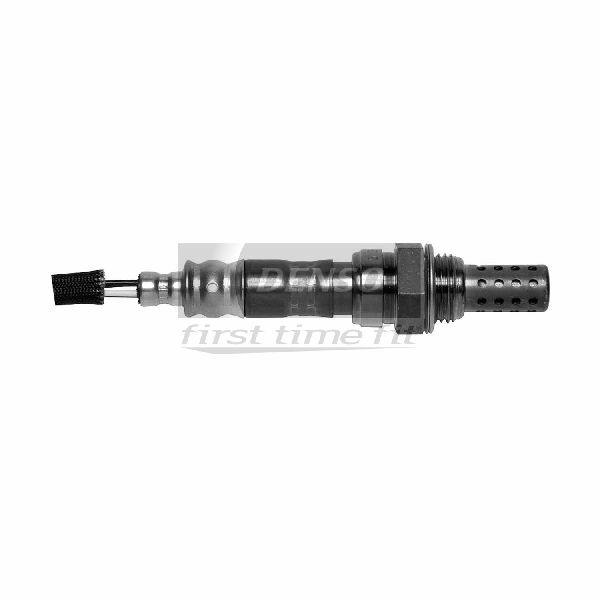
Most sensors for this application are a 4-wire, heated type with a threaded M18 mounting. Connectors and wire lengths vary by location (Upstream/Downstream, Bank 1/2).
We Have This Part in Stock

The information in this article is provided for general reference and educational purposes only. Vehicle specifications, procedures, and part compatibility can vary by production date, trim level, and region. Always consult your vehicle's factory service manual and verify part numbers before purchasing or performing repairs. Safety-critical components such as airbags, seat belts, and braking systems should be installed by a qualified professional.
- Ford F-150: