

GMC Envoy 2002-2009 Brake Master Cylinder: A Complete Guide
If your brake pedal feels spongy or sinks to the floor, it's time to inspect your brake master cylinder.
- A spongy or sinking brake pedal is the most critical symptom of a failing master cylinder in an Envoy.
- No major recalls exist for this part on the 2002-2009 Envoy, but a spongy pedal feel is a known characteristic of the platform.
- You must bench bleed the new master cylinder before installation to ensure all air is removed from the component.
- Quality aftermarket brands like Centric and Raybestos offer reliable, OE-equivalent performance for this repair.
Is Your Envoy's Brake Pedal Trying to Tell You Something?
A failing brake master cylinder on your 2002-2009 GMC Envoy is a serious safety issue. This component doesn't fail often, but when it does, it gives clear warning signs. The most common symptom is a change in how your brake pedal feels. You might notice it feels soft, spongy, or sinks slowly toward the floor when you hold it down. This happens because the internal seals have worn out, allowing brake fluid to leak internally and preventing the cylinder from building or holding pressure.
Key Symptoms of a Failing Master Cylinder
- Spongy or Mushy Pedal: The brake pedal feels soft and lacks firmness when you press it. This is the most common sign of air or an internal leak in the system.
- Sinking Brake Pedal: When you hold your foot on the brake pedal, it slowly sinks to the floor. This points to an internal leak past the cylinder's piston seals.
- Brake Warning Light: The red 'BRAKE' light on your dashboard may illuminate. This is often triggered by a low fluid level sensor in the master cylinder reservoir.
- Contaminated Fluid: If you check your brake fluid and it looks dark brown or black, it could mean the rubber seals inside the master cylinder are breaking down and contaminating the fluid.
- External Leaks: You might see brake fluid leaking where the master cylinder bolts to the brake booster. Brake fluid is corrosive and can damage paint, so address leaks quickly. 🎬 See a visual guide on identifying common master cylinder symptoms.
Platform-Specific Quirk: Spongy Brakes
Owners of the GMT360 platform (which includes the GMC Envoy, Chevy Trailblazer, etc.) have often noted that the brake pedal can feel somewhat spongy even with a perfectly healthy system. However, a sudden change to a much softer pedal or a pedal that sinks is a clear sign of a problem and should not be ignored.
Choosing the Right Aftermarket Master Cylinder
You don't need to buy an expensive OEM part from the dealer to get your Envoy stopping safely again. Quality aftermarket brands offer excellent performance and reliability. Here’s a breakdown of available options.
| Brand Tier | Brands | Quality & Notes |
|---|---|---|
| Premium Aftermarket | Raybestos, Centric | These brands are well-regarded for matching OE quality in fit, form, and function. They are a reliable choice for a long-lasting repair and often come complete with the reservoir and sensor. |
| Standard Aftermarket | Dorman, Dynamic Friction | Dorman is known for re-engineering parts to fix common OEM flaws, though community feedback suggests their quality can be hit-or-miss. They are a solid mid-range option that meets OE specifications. |
| Economy | Replacement | These are value-focused brands. They are new parts that will restore function and are a good choice for budget-conscious repairs, but may not have the same long-term durability as premium brands. |
Installation Tips for the DIYer
Replacing the master cylinder on an Envoy is a manageable job for an experienced DIY mechanic. The estimated time is about 1.5 to 2.5 hours. The most critical step is to bench bleed the new master cylinder before you install it. This involves mounting the new cylinder in a vise and using a kit to circulate fluid and remove all air from inside the cylinder itself. Skipping this step will make it nearly impossible to bleed the brakes properly later.
- Disconnect the negative battery terminal.
- Use a flare nut wrench to carefully disconnect the brake lines from the old master cylinder.
- Unplug the fluid level sensor.
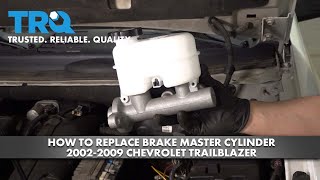
- Remove the two nuts holding the master cylinder to the brake booster and remove it from the vehicle. 🎬 Watch this step-by-step guide to replacing your Envoy's master cylinder.
- Bench bleed the new master cylinder according to the manufacturer's instructions.
- Install the new master cylinder, reconnect the brake lines and sensor.
- Fill the reservoir with fresh DOT 3 or DOT 4 brake fluid as specified for your vehicle.
- Bleed the entire brake system, starting with the wheel farthest from the master cylinder (usually the rear passenger side).
Pro Tip: Check for Recalls and TSBs
Our search of the NHTSA database found no major open recalls or Technical Service Bulletins (TSBs) for brake master cylinder failure on the 2002-2009 GMC Envoy. This indicates that it is not a widespread, systemic problem for this model, but failures can still occur due to age and wear.
Frequently Asked Questions
What does 'bench bleeding' mean and why is it important?
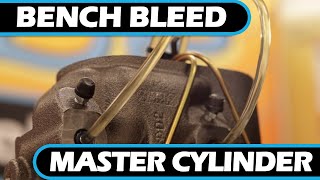
Bench bleeding is the process of removing air from a new master cylinder before it's installed in the vehicle. It involves using a kit with plastic fittings and hoses to pump brake fluid through the cylinder until no air bubbles are seen. 🎬 Watch this video to learn how to properly bench bleed. If you install a master cylinder full of air, it can be extremely difficult to push that air all the way through the brake lines, resulting in a spongy pedal no matter how much you bleed the wheels.
Can I just top off the brake fluid if it's low?
No, you should not just top off the fluid. The brake system is a sealed hydraulic system. If the fluid is low, it means one of two things: either your brake pads are very worn, or you have a leak somewhere in the system. A leaking master cylinder is a common cause. Simply adding fluid ignores the root problem and is unsafe.
Is a spongy brake pedal always a bad master cylinder?
Not always, but it's a primary suspect. A spongy pedal is caused by air in the hydraulic lines. This air could be introduced by a failing master cylinder, a leaking brake line, a faulty caliper, or improper bleeding after a brake job. However, if the pedal also sinks to the floor, the master cylinder is almost certainly the culprit.
What's the difference between the master cylinder and the brake booster?
The brake master cylinder creates the hydraulic pressure. The brake booster, the large black drum it's bolted to, is a vacuum-powered device that makes it easier for you to press the brake pedal. A bad booster typically results in a very hard pedal, while a bad master cylinder results in a soft or sinking pedal.
Helpful Videos
Technical Specifications
OEM Part Numbers: 25828524 84164395
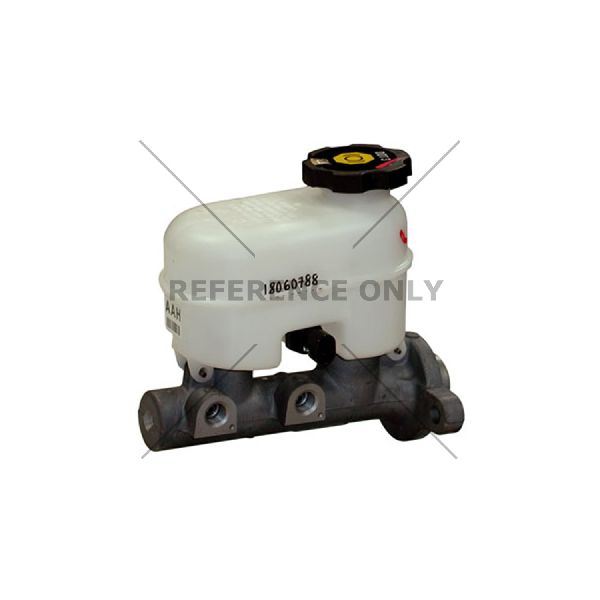
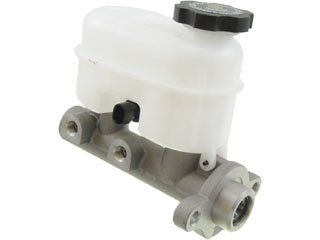
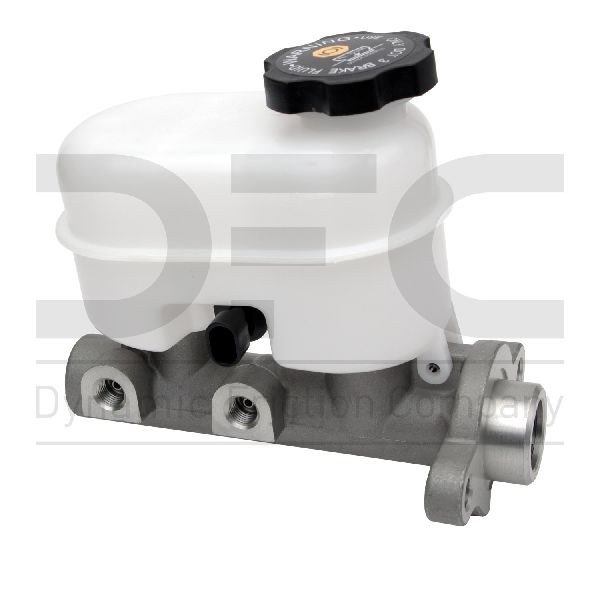
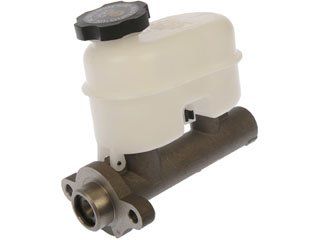
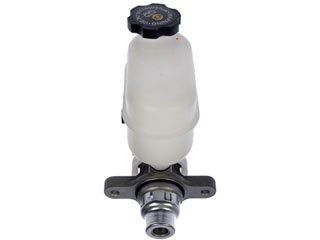
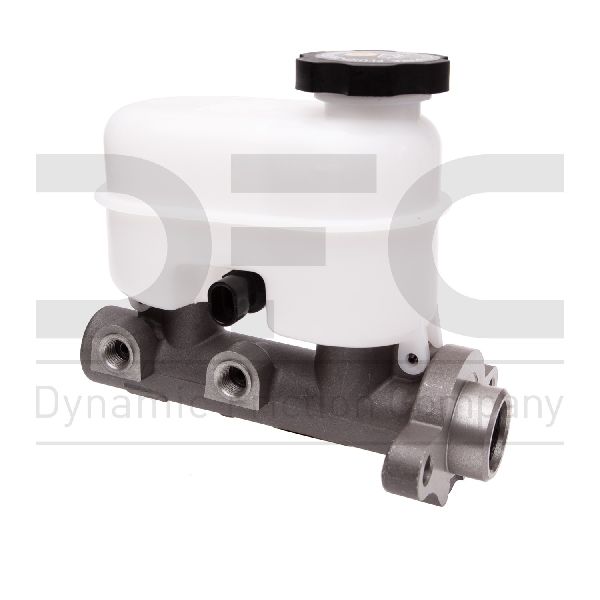
New units for the GMC Envoy typically come as a complete assembly with the fluid reservoir and level sensor included. The body is made from either cast iron or aluminum, matching the original design.
We Have This Part in Stock

The information in this article is provided for general reference and educational purposes only. Vehicle specifications, procedures, and part compatibility can vary by production date, trim level, and region. Always consult your vehicle's factory service manual and verify part numbers before purchasing or performing repairs. Safety-critical components such as airbags, seat belts, and braking systems should be installed by a qualified professional.
- GMC Envoy:
- 🎬 Helpful Videos
- 🛍️ Shop This Part
- Is Your Envoy's Brake Pedal Trying to Tell You Something?
- Key Symptoms of a Failing Master Cylinder
- Platform-Specific Quirk: Spongy Brakes
- Choosing the Right Aftermarket Master Cylinder
- Installation Tips for the DIYer
- Pro Tip: Check for Recalls and TSBs
- Frequently Asked Questions
- 🎟️ Get 5% Off