

A Guide to Replacing Disc Brake Rotors on Your 2002-2009 GMC Envoy
Stop the shaking and pulsation—here's what you need to know about choosing the right new rotors for your Envoy.
- The most common rotor problem on the Envoy is warping, which causes pedal pulsation and steering wheel vibration.
- Always replace rotors in pairs (both front or both rear) and install new brake pads at the same time for safety and performance.
- For most owners, premium coated rotors offer the best value, preventing rust on the hub and vanes.
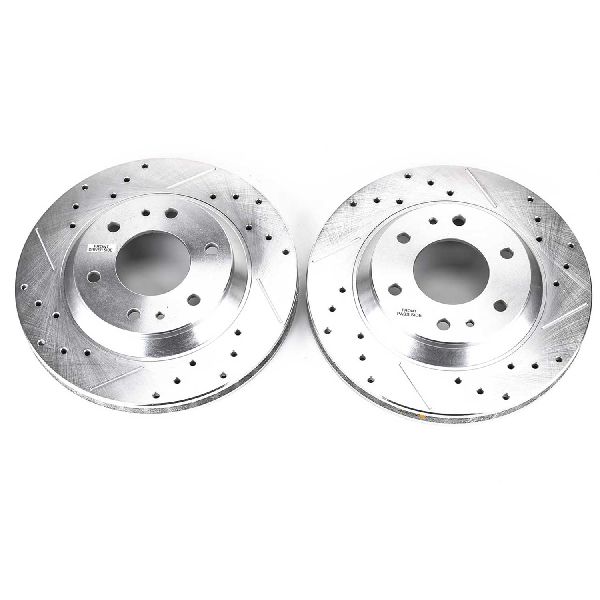
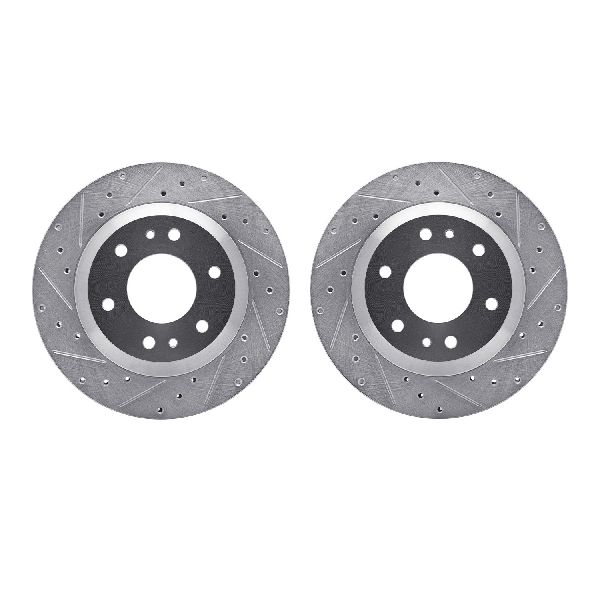
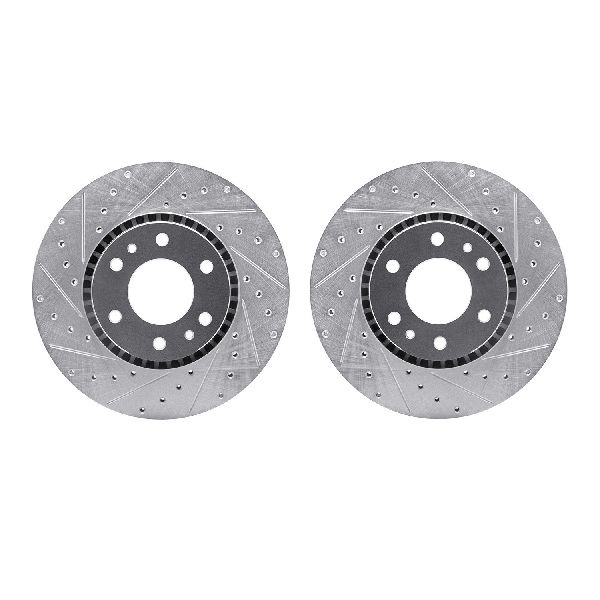
- If you tow or have recurring warping issues, consider a performance drilled and slotted rotor kit from a brand like Powerstop.
Signs of a Failing Brake Rotor
When your Envoy's rotors are worn out, they will give you clear warning signs. Ignoring them can lead to longer stopping distances and more expensive repairs down the line.
- Pulsation or Vibration: The most common symptom on the GMC Envoy is a noticeable pulsation in the brake pedal or a vibration in the steering wheel when you apply the brakes, especially at highway speeds. This is typically caused by uneven wear or warping of the rotor surface. If the vibration is felt mostly in the steering wheel, the front rotors are the likely cause; if it's felt more in the seat or pedal, the rear rotors may be to blame.
- Grinding or Squealing Noises: A loud grinding sound means the brake pads have likely worn down completely, and now metal is grinding against metal. Squealing or groaning can also occur if the rotors have developed a glazed, grooved, or uneven surface.
- Visible Damage: A visual inspection might reveal deep grooves, scoring, or dark blueish "hot spots" on the rotor's surface. These are signs of overheating and damage that compromise braking power.
Pro Tip: Is It Your Rotors or an ABS Sensor?
The GMT360 platform (Envoy, Trailblazer, etc.) is known for rust buildup on the wheel hub, which can push the ABS wheel speed sensor slightly out of position. This can cause false ABS activation at low speeds (under 10 mph), which feels like a pulsing or grinding pedal. Before replacing rotors for a low-speed pulsation, it's worth cleaning the sensor and its mounting surface on the hub.
Choosing the Right Aftermarket Rotors for Your Envoy
For a vehicle like the Envoy, you have several good aftermarket options that often provide better value than OEM parts. The choice depends on your budget, driving style, and local climate.
Tier 1: Daily Driver / Economy (e.g., Dynamic Friction)
These are standard, uncoated rotors that meet or exceed original equipment (OE) specifications. They are a cost-effective solution for normal daily driving. The main drawback is that the hat (the center part of the rotor) and cooling vanes will rust over time, which is mostly a cosmetic issue, especially in regions that use road salt. Brands like Dynamic Friction offer rotors in this category.
Tier 2: Premium Coated
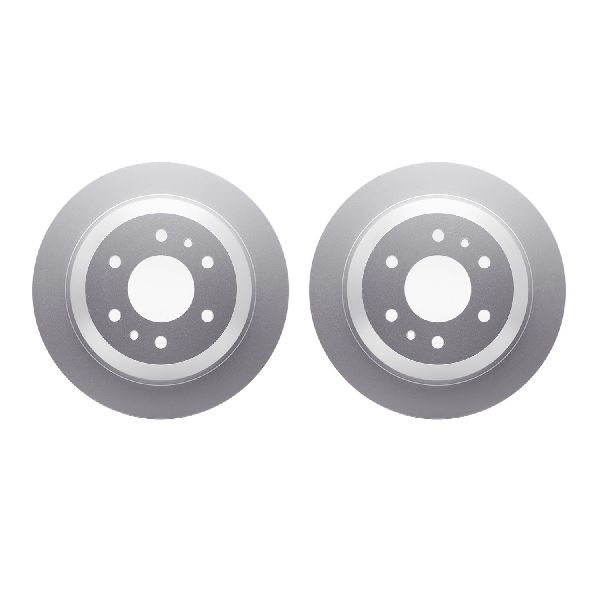
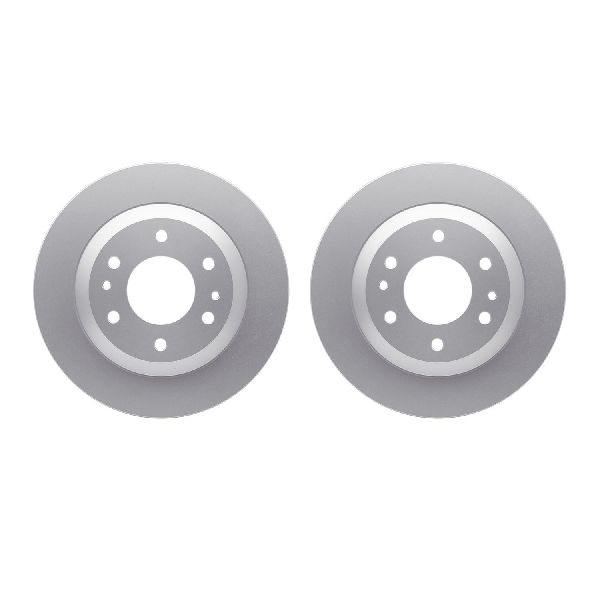
This is the sweet spot for most Envoy owners. These rotors feature a protective coating (often an e-coating or GEOMET finish) on the non-braking surfaces. This coating prevents the unsightly rust that plagues uncoated rotors, keeping them looking good behind your wheels. They offer the best balance of performance, longevity, and price for daily use.
Tier 3: Performance / Heavy-Duty (e.g., Powerstop)
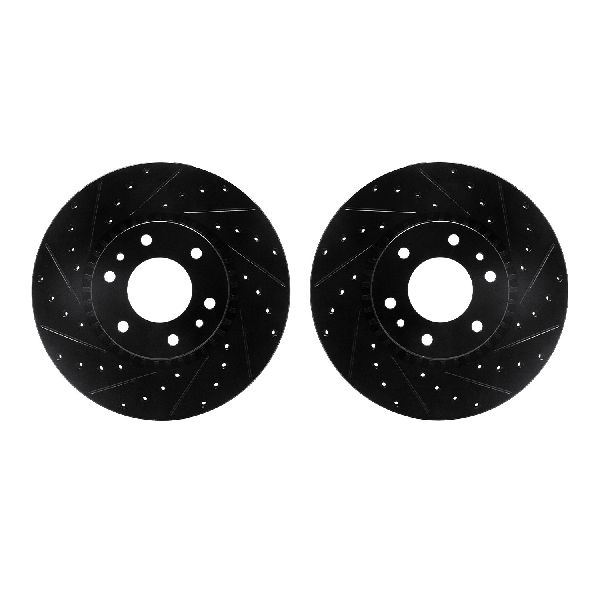
If you tow a trailer, live in a hilly area, or have had repeated problems with rotors warping, an upgrade to a performance rotor is a smart investment. These rotors are designed to dissipate heat more effectively. They are typically drilled, slotted, or both. Drilled holes help vent hot gases, while slots help clean the pad surface. Powerstop is a very popular brand in this category, known for their drilled & slotted rotor kits which are a common upgrade for truck and SUV owners.
| Tier | Description | Pros | Cons | Best For |
|---|---|---|---|---|
| Economy (Uncoated) | Standard replacement rotors. | Most affordable. | Prone to rust on non-contact surfaces. | Budget-conscious owners in dry climates. |
| Premium (Coated) | Rotors with a protective anti-rust coating. | Prevents rust, better appearance, good value. | Slightly more expensive than uncoated. | The majority of Envoy owners. |
| Performance (Drilled/Slotted) | Engineered for improved heat dissipation. | Reduces brake fade, resists warping, good for towing. | Most expensive, can wear pads faster. | Towing, heavy loads, or performance driving. |
Known Issues, Recalls, and TSBs
While there are no recalls specifically for the disc rotors on the 2002-2009 GMC Envoy, there are related items to be aware of:
- NHTSA Recall 03V151: Some vehicles were manufactured with a left-front brake pipe that could fracture, leading to reduced front brake performance. This is a critical safety issue to ensure has been addressed on your vehicle.
- Technical Service Bulletins (TSBs): GM has issued TSBs for brake squeal on some models. The fix often involves using updated brake pad materials and ensuring proper lubrication of caliper components during installation.
Frequently Asked Questions (FAQ)
Should I replace my brake pads at the same time as my rotors?
Yes, absolutely. You should always install new brake pads with new rotors. Installing old, worn pads on new rotors will create an uneven wear pattern on the new rotors, significantly reducing their performance and lifespan and voiding most warranties.
Do I have to replace rotors in pairs?
Yes. Rotors must always be replaced in pairs (both front or both rear) to ensure even braking performance. Replacing only one rotor can cause the vehicle to pull to one side during braking and is extremely unsafe.
Can I resurface my old rotors instead of replacing them?
While resurfacing (also called "turning") was once common, it's rarely recommended today. Resurfacing removes material, making the rotor thinner and more susceptible to warping from heat. With the affordable cost of new aftermarket rotors, replacement is almost always the more reliable and safer option.
What are the torque specs for a brake job on an Envoy?
Proper torque is critical for safety. While specs can vary slightly, common values for the GMT360 platform are around 147 ft-lbs for the caliper bracket bolts and 100-108 ft-lbs for the wheel lug nuts. Always verify the correct specs for your specific year and model before starting work.
Why are coated rotors recommended for the Envoy?
Coated rotors are highly recommended if you live in an area where roads are salted in the winter. The coating protects the hub and cooling vanes from rust and corrosion, which not only looks better but can also help maintain proper cooling and extend the life of the rotor.
Technical Specifications
OEM Part Numbers: 8151346710
Varies by front/rear and specific model year. Front rotors are typically around 305mm in diameter, while rear rotors are around 325mm. All use a 6-lug bolt pattern.
We Have This Part in Stock

The information in this article is provided for general reference and educational purposes only. Vehicle specifications, procedures, and part compatibility can vary by production date, trim level, and region. Always consult your vehicle's factory service manual and verify part numbers before purchasing or performing repairs. Safety-critical components such as airbags, seat belts, and braking systems should be installed by a qualified professional.
- GMC Envoy:
- 🛍️ Shop This Part
- Signs of a Failing Brake Rotor
- Pro Tip: Is It Your Rotors or an ABS Sensor?
- Choosing the Right Aftermarket Rotors for Your Envoy
- Tier 1: Daily Driver / Economy (e.g., Dynamic Friction)
- Tier 2: Premium Coated
- Tier 3: Performance / Heavy-Duty (e.g., Powerstop)
- Known Issues, Recalls, and TSBs
- Frequently Asked Questions (FAQ)
- 🎟️ Get 5% Off