

GMC Envoy Engine Coolant Temperature Sensor: A Complete Guide for 2002-2009
If your Envoy's temperature gauge is acting strange or your fuel economy has dropped, your coolant sensor might be the culprit.
- The sensor's location on the 4.2L engine changed around 2006; verify the position on your vehicle before buying parts or starting work.
- For reliability, it is strongly recommended to use an OEM-quality brand like ACDelco or Delphi.
- A P0128 trouble code is a common symptom that can be caused by either the sensor or a bad thermostat; consider replacing both.
- The old sensor can be brittle and may break during removal; be prepared for the possibility of needing a screw extractor.
Is Your Envoy's Coolant Temp Sensor Failing?
A faulty Engine Coolant Temperature (ECT) sensor can cause a surprising number of problems. Because the sensor's reading affects so many engine functions, a bad signal can send the computer scrambling to make the wrong adjustments. This can make your Envoy run poorly and could lead to more serious issues if ignored.
Symptoms of a Bad ECT Sensor
Watch for these common signs of failure. A bad sensor often mimics other problems, but a combination of these symptoms points strongly to the ECT sensor.
- Check Engine Light: The most common sign is an illuminated check engine light. You may see codes like P0128, P0117, or P0118 when you scan the vehicle. Code P0128 (Coolant Temperature Below Thermostat Regulating Temperature) is very common and can be caused by the sensor or a stuck-open thermostat.
- Erratic Temperature Gauge: The gauge on your dashboard might swing from cold to hot, stay stuck on cold, or read much higher than normal.
- Poor Fuel Economy: If the sensor incorrectly tells the ECM the engine is cold, the computer will enrich the fuel mixture, causing you to use more gas.
- Black Smoke from Exhaust: A very rich fuel mixture can result in black smoke coming from the tailpipe as excess fuel is burned off.
- Engine Overheating: A failed sensor might not signal the ECM to turn on the cooling fans when the engine gets hot, leading to overheating.
Location Varies By Year (4.2L Engine)
GM changed the location of the ECT sensor during the Envoy's production run. On earlier models (approx. 2002-2005), the sensor is typically on the driver's side of the cylinder head, behind the alternator. On later models (approx. 2006-2009), it was moved to the passenger side of the engine block, toward the rear, which can be difficult to access. Always verify the location on your specific vehicle before starting work.
Choosing the Right Aftermarket Sensor
For a critical sensor like this, brand quality matters. While many budget options exist, a faulty replacement can cause the same problems and require you to do the job all over again.
- OEM & OEM-Equivalent (Recommended): ACDelco is the original GM parts brand, and Delphi was the original manufacturer for many of these parts. Choosing an ACDelco (GM Genuine or Professional series) or Delphi sensor is your best bet for reliability and accurate readings.
- Quality Aftermarket: Brands like NGK/NTK, Standard Motor Products (SMP), and Bosch have a solid reputation and are generally reliable alternatives if an OEM part isn't available.
- Budget Brands: Store brands and other value-focused options are the most affordable but carry a higher risk of inaccurate readings or premature failure. Given the low cost of even top-tier sensors, saving a few dollars here is often not worth the potential hassle.
Pro Tip: Replace the Thermostat Too
If your Envoy is throwing a P0128 code, it's common practice to replace the thermostat along with the ECT sensor. A thermostat stuck open is a frequent cause of this code. Since you are already working on the cooling system, replacing both parts at the same time can save you from having to do a similar repair in the near future.
Cost to Replace a GMC Envoy ECT Sensor
| Part Type | Estimated Cost |
|---|---|
| New Aftermarket Part | $17 - $61 |
| New OEM Part (ACDelco) | $40 - $70 |
| Shop Labor | $100 - $300 |
Cost estimates are based on national averages and may vary by location and vehicle specifics.
Frequently Asked Questions
Where is the ECT sensor located on my Envoy?
For the 4.2L I6 engine, the location depends on the year. On 2002-2005 models, it's usually behind the alternator on the driver's side. On 2006-2009 models, it's on the passenger side of the block toward the back. For 5.3L V8 models, it is typically on the driver's side cylinder head near the front.
Can I drive with a bad coolant temperature sensor?
You can, but it is not recommended for long. A bad sensor can lead to poor fuel economy, failed emissions tests, and a risk of the engine overheating if the cooling fans don't turn on. It's best to get it replaced soon.
What does the code P0128 mean?
P0128 means the engine's computer has detected that the coolant is not reaching its proper operating temperature within a set amount of time. This is most often caused by a thermostat that is stuck open or a faulty ECT sensor that is giving an incorrect reading.
Is it hard to replace the ECT sensor myself?
For a DIYer with some experience, it is a manageable job. The difficulty depends on the location. Models requiring alternator removal are more complex. The sensor is often made of brass and can break during removal, so be prepared with a screw extractor just in case. Always perform the replacement on a cold engine to avoid burns and coolant loss.
Technical Specifications
OEM Part Numbers: 12608814 19236568 213-4514 213-4333 12564512
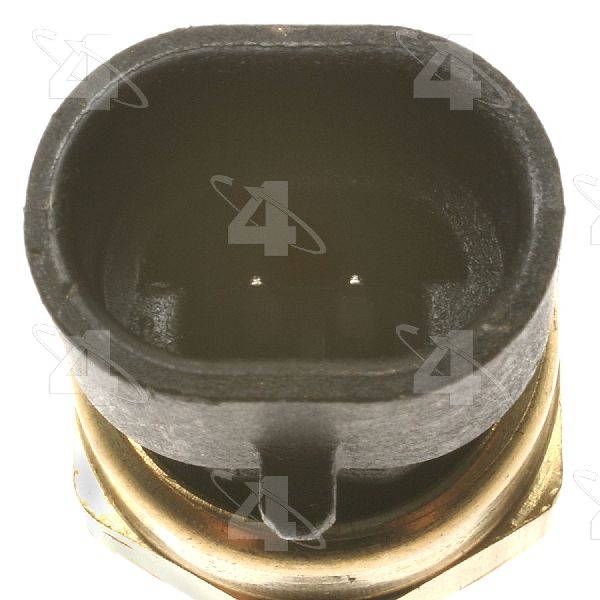
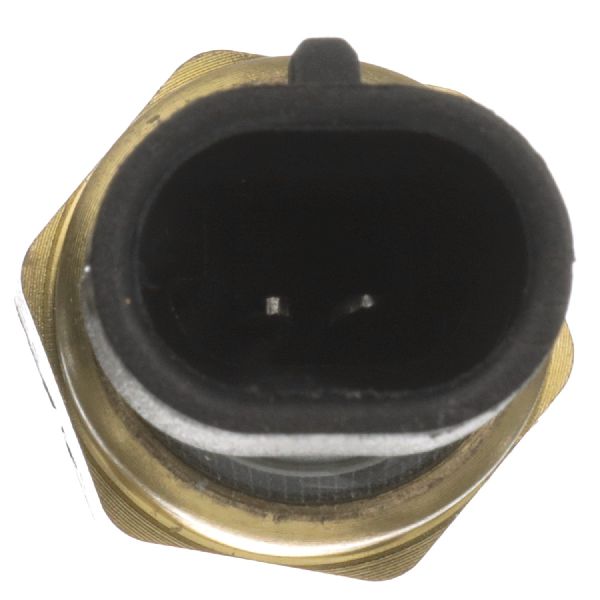
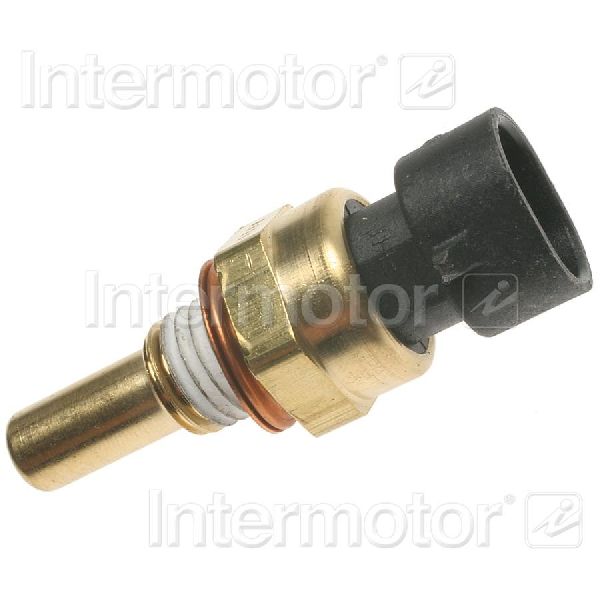
2-Terminal Connector, M12 Thread
We Have This Part in Stock


The information in this article is provided for general reference and educational purposes only. Vehicle specifications, procedures, and part compatibility can vary by production date, trim level, and region. Always consult your vehicle's factory service manual and verify part numbers before purchasing or performing repairs. Safety-critical components such as airbags, seat belts, and braking systems should be installed by a qualified professional.
- GMC Envoy: