

A Guide to Oxygen Sensors for the 2002-2009 Mercedes-Benz C230
Keep your C230's engine running smoothly and efficiently by understanding its oxygen sensors and how to replace them.
- Verify your C230's engine (4-cylinder or V6) before ordering to get the correct number and type of sensors.
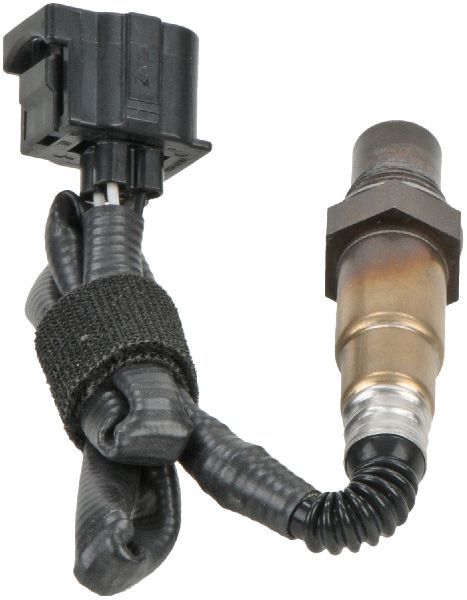
- Bosch is the Original Equipment Manufacturer (OEM) and is the most recommended brand for a direct, trouble-free replacement.
- Using a special slotted oxygen sensor socket will make the replacement job significantly easier and prevent wire damage.
- Continuing to drive with a bad oxygen sensor can lead to expensive catalytic converter damage over time.
Signs of a Failing Oxygen Sensor

When an oxygen sensor in your C230 starts to fail, it can't send the right information to the engine's computer. This can cause a number of noticeable problems. Most sensors have a lifespan of about 60,000 to 100,000 miles before they wear out from heat and contamination.
Common Failure Symptoms
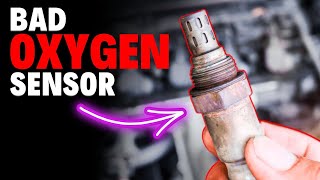
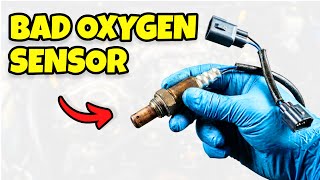
🎬 Watch: See these 6 common symptoms of a failing sensor.- Check Engine Light: This is the most common sign. A code scanner will often show codes related to the O2 sensor heater circuit, slow response, or fuel mixture problems like P0130, P0136, or P0171.
- Poor Fuel Economy: A bad sensor can cause the engine to run rich, using more fuel than necessary. You might notice a drop of 10-15% in your gas mileage.
- Rough Idle and Misfires: The engine may stutter, idle unevenly, or misfire because the air-fuel mixture is incorrect.
- Sluggish Performance: Your car might feel hesitant or slow to accelerate.
- Failed Emissions Test: An O2 sensor that isn't working correctly will lead to higher emissions, causing a test failure.
- Rotten Egg Smell: In some cases, a very rich fuel mixture can lead to a sulfur-like smell from the exhaust and could eventually damage the catalytic converter.
Choosing the Right Aftermarket Oxygen Sensor

For a Mercedes-Benz, selecting a quality oxygen sensor is important for performance and to avoid recurring check engine lights. While OEM parts are available, high-quality aftermarket options can offer the same performance for less money.
Brand Quality Tiers
- Tier 1 (OEM & Equivalent): Bosch is the original equipment manufacturer (OEM) for Mercedes-Benz. Choosing a Bosch direct-fit sensor is the safest bet for guaranteed compatibility and performance. Denso and NGK/NTK are also top-tier OEM suppliers for many brands and are known for their high quality and reliability, making them excellent alternatives.
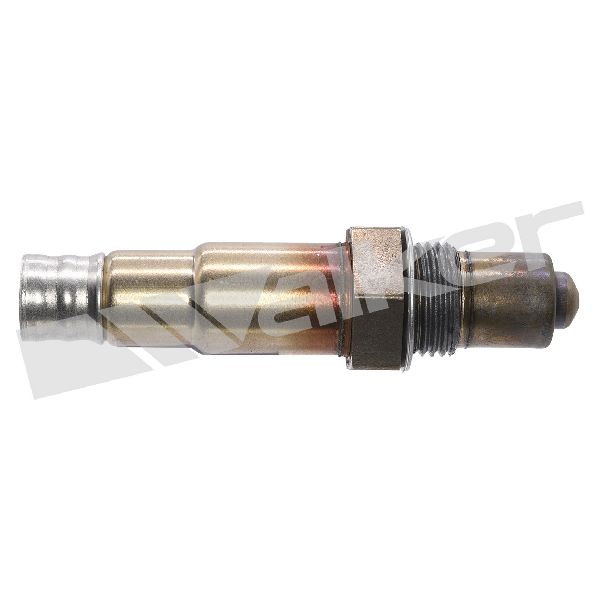
- Tier 2 (Reputable Aftermarket): Brands like Delphi and Walker Products have a long history in the aftermarket. They often provide a good balance of quality and value. While some users have success with Walker sensors, others report shorter lifespans, so experiences can vary.
- Tier 3 (Budget Options): Brands like Facet, Spectra, and Vemo fall into a more budget-focused category. While they are the most affordable, their long-term reliability and sensor accuracy can be inconsistent, potentially leading to issues sooner than premium brands. For a sensitive system like a Mercedes, it's generally recommended to stick with Tier 1 or Tier 2 brands.
Engine Type Matters
The 2002-2007 C230 used three different engines. It is critical to order the sensor that matches your specific engine, as the number of sensors and part numbers are different.
- 2002 (M111 I4): 2 sensors total (1 upstream, 1 downstream).
- 2003-2005 (M271 I4): 2 sensors total (1 upstream, 1 downstream).
- 2006-2007 (M272 V6): 4 sensors total (2 upstream, 2 downstream).
Always verify the part fits your specific year and engine before purchasing. Using the wrong sensor, even if it plugs in, will not work correctly.
Estimated Replacement Costs
The cost can vary depending on the brand you choose and whether you do the work yourself or hire a professional.
| Part/Service | Estimated Cost |
|---|---|
| New Aftermarket Oxygen Sensor | $39 - $189 |
| Shop Labor | $80 - $200 per sensor |
| Total DIY Cost | $39 - $189 |
| Total Professional Cost | $119 - $389+ |
Frequently Asked Questions

How many oxygen sensors does my C230 have?
It depends on your engine. The 4-cylinder Kompressor models (2002-2005) have two sensors: one upstream and one downstream. The V6 models (2006-2007) have four sensors: two upstream (one for each cylinder bank) and two downstream (one for each catalytic converter).
What is the difference between an upstream and a downstream sensor?
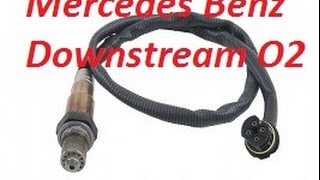
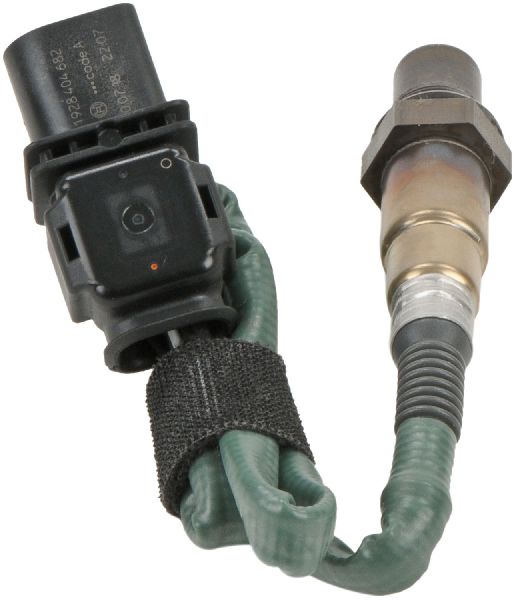
The upstream sensor (also called Sensor 1 or an air-fuel ratio sensor) is located before the catalytic converter. Its job is to provide fast feedback to the ECU to control the air-fuel mixture. The downstream sensor (Sensor 2) is located after the catalytic converter and its main purpose is to monitor the converter's efficiency.
Can I clean my old oxygen sensor?
While some people attempt to clean O2 sensors, it is not a recommended or reliable fix. Contaminants can penetrate the sensor's ceramic element, and cleaning solvents can cause damage. Given the sensor's critical function and the affordability of replacements, replacing a faulty sensor is the correct approach.
Do I need a special tool to replace an oxygen sensor?
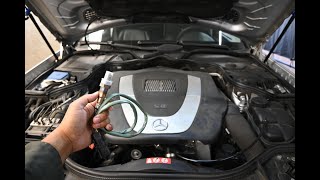
Yes, a special tool called an oxygen sensor socket is highly recommended. It has a slot on the side to accommodate the sensor's wire. Using one makes the job much easier and helps prevent damage to the new sensor's wiring 🎬 Watch: A helpful guide to the full O2 sensor replacement process. during installation. They are inexpensive and widely available.
Why is it important to use an OEM brand like Bosch?
Mercedes engine management systems can be sensitive. Using the OEM brand like Bosch ensures that the sensor's voltage readings, response time, and heater element performance are exactly what the ECU expects. While other high-quality brands like Denso or NGK often work perfectly, using a budget sensor can sometimes lead to persistent check engine lights or performance issues.
Helpful Videos
Technical Specifications
OEM Part Numbers: 0095425918 0035427318 0005407617 0065422018
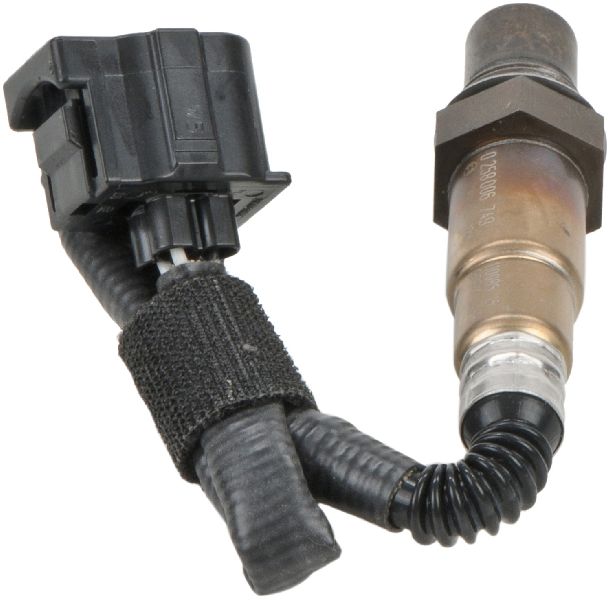
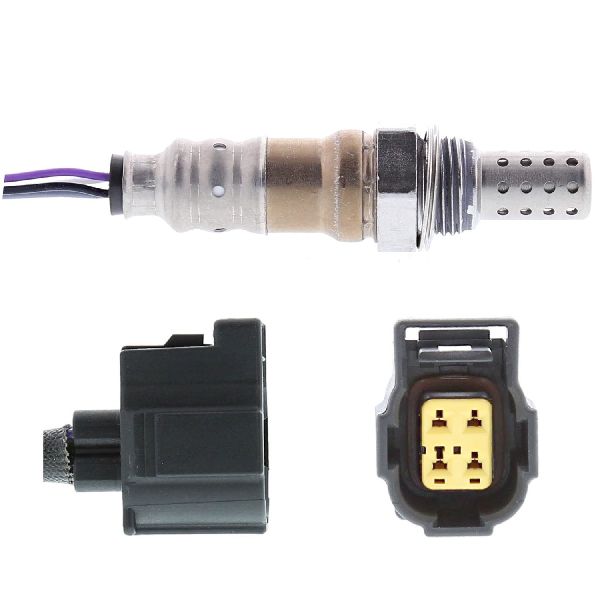
Your C230 uses heated, 4-wire or 5-wire oxygen sensors with an M18x1.50 thread size. Upstream sensors on V6 models are often wideband types for more precise fuel control, while downstream sensors are typically narrowband.
We Have This Part in Stock


The information in this article is provided for general reference and educational purposes only. Vehicle specifications, procedures, and part compatibility can vary by production date, trim level, and region. Always consult your vehicle's factory service manual and verify part numbers before purchasing or performing repairs. Safety-critical components such as airbags, seat belts, and braking systems should be installed by a qualified professional.
- Mercedes-Benz C230: