

A Guide to Replacing the Brake Master Cylinder on a 2002-2009 Mini Cooper
Fix a spongy or sinking brake pedal and restore your Mini's stopping power for good.
- You must order the correct part for your car's stability system (DSC vs. non-DSC).
- A spongy or sinking brake pedal is the number one symptom of a failing master cylinder.
- Properly bleeding the system after installation requires a scan tool to cycle the ABS/DSC pump.
- On manual cars, the clutch shares brake fluid, so a low fluid level could also point to a clutch system leak.
Is Your Mini's Brake Master Cylinder Failing?
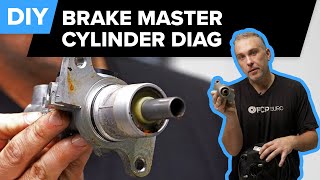
A failing brake master cylinder is a serious safety issue. The most common sign is a change in how your brake pedal feels. If the internal seals are worn, fluid can bypass them, meaning the pedal feels soft, spongy, or sinks slowly toward the floor while you're holding it down. 🎬 Watch: How to diagnose a soft brake pedal You might also notice that you have to push the pedal further than usual to start braking.
Other signs include:
- Low Brake Fluid: Your Mini uses the same fluid reservoir for the brakes and the clutch (on manual models). If you see the fluid level is low but can't find a leak at the wheels or on the ground, the master cylinder could be leaking internally into the brake booster.
- Brake Warning Light: A drop in fluid level or pressure can trigger the brake warning light on your dashboard.
- Contaminated Fluid: If the brake fluid in the reservoir looks dark or dirty, it could mean the rubber seals inside the master cylinder are breaking down.
Critical Ordering Information: DSC vs. Non-DSC
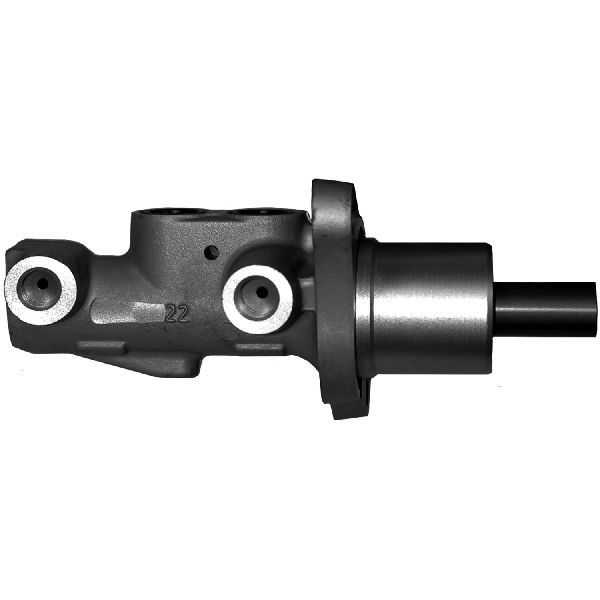
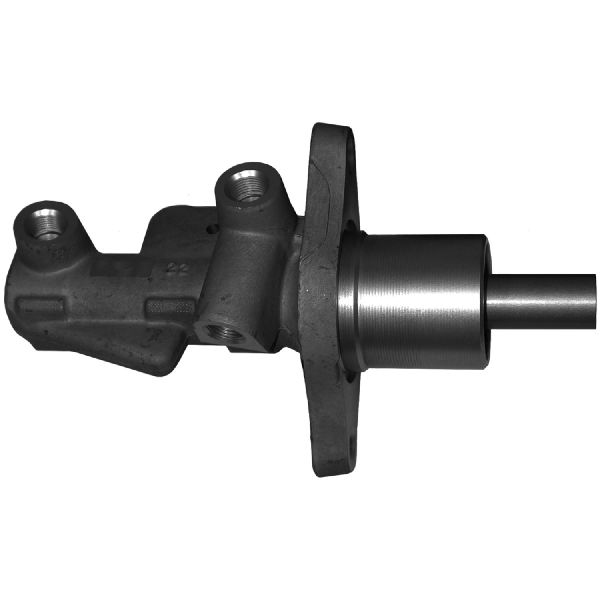
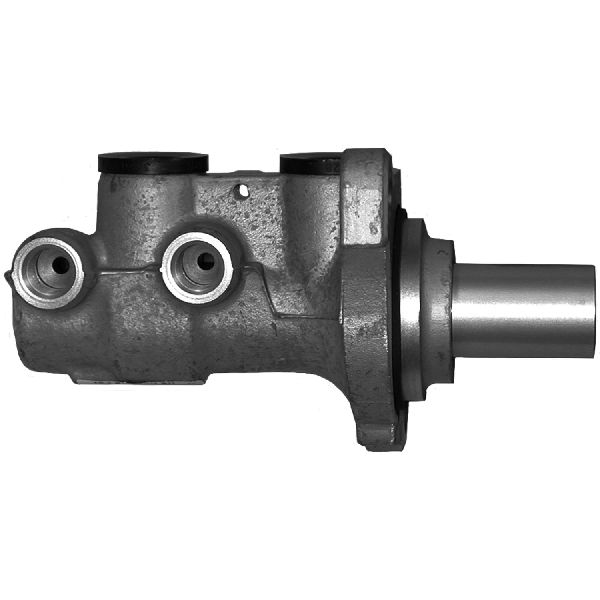
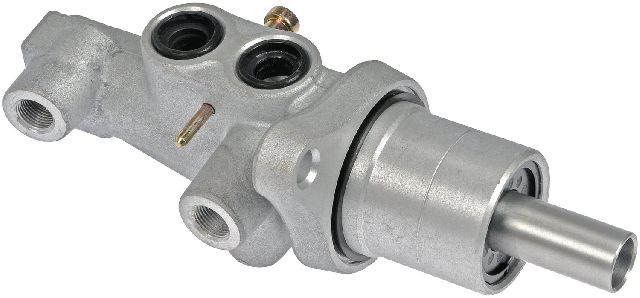
First-generation Mini Coopers came with different stability control systems. You MUST order the master cylinder that matches your car's system. There are different parts for cars with Dynamic Stability Control (DSC) and those with Automatic Stability Control (ASC+T) or no system. Check your vehicle's specifications before ordering, as they are not interchangeable.
Choosing the Right Aftermarket Master Cylinder
You don't need to buy from the dealer to get a quality part. Aftermarket brands offer a range of options that can save you money without sacrificing safety. Here’s how they generally stack up for your Mini.
- Premium Aftermarket (OEM-Equivalent): Brands like ATE are often the original equipment manufacturer for German cars like your Mini. Choosing an ATE part is the closest you can get to dealer quality, ensuring perfect fit and performance.
- Trusted Aftermarket: Brands such as Beck Arnley and Raybestos have a long-standing reputation for producing reliable brake components. They are a solid choice for a balance of quality and price. Forum users have reported good experiences with Beck Arnley, noting their quality construction.
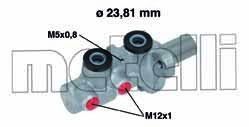
- Standard Aftermarket: Brands like Dorman, Dynamic Friction, and Metelli offer a budget-friendly solution. Dorman is known for re-engineering parts to fix common OEM flaws, but quality can sometimes be inconsistent according to general auto forums. These parts will restore function and are a viable option for those on a tighter budget.
What Does a Brake Master Cylinder Replacement Cost?
The cost depends on whether you do the job yourself or take it to a shop. The part itself is affordable, but labor can be significant due to the tight engine bay of the Mini Cooper.
🎬 See this step-by-step master cylinder replacement walkthrough| Item | Estimated Cost |
|---|---|
| New Aftermarket Part | $107 - $240 |
| New OEM Part | $250 - $550+ |
| Shop Labor | $250 - $500 |
| Total Professional Job | $357 - $740 |
Pro Tip: Bleeding the Brakes Correctly is Key
Replacing the master cylinder introduces a lot of air into the brake system. You cannot simply bleed the brakes at the wheels. The ABS/DSC module must also be bled by cycling the pump, which requires a Mini-specific diagnostic scan tool. If you don't have this tool, it's best to have a professional shop perform the final brake bleed.
Frequently Asked Questions
Do I have to replace the brake fluid reservoir?
Most aftermarket master cylinders do not come with a new reservoir. You will need to carefully remove your old reservoir and install it on the new cylinder. Be sure to inspect it for cracks and clean it thoroughly before installation.
What is "bench bleeding" and is it necessary?
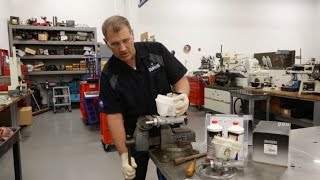
Bench bleeding is the process of removing air from the new master cylinder before you install it in the car. It involves mounting the cylinder in a vise, filling it with fluid, and using a tool to push the internal pistons until no more air bubbles come out. This step is critical and makes bleeding the entire system much easier.
🎬 Watch: How to bench bleed your new master cylinderAre there any recalls for the 2002-2009 Mini Cooper master cylinder?
No, there are no specific recalls from the NHTSA for the brake master cylinder on 2002-2009 Mini Cooper models. There was a recall for the electro-hydraulic power steering system on some 2002-2005 models, but this is unrelated to the master cylinder.
Can a bad clutch slave cylinder cause similar symptoms?
Yes. On manual transmission Minis, the clutch hydraulic system shares fluid with the brake reservoir. A leaking clutch slave or master cylinder can cause the brake fluid level to drop and trigger the brake warning light, which can be confused with a brake master cylinder problem.
Helpful Videos
Technical Specifications
OEM Part Numbers: 34336785667 34336785668 34336756233 6779677
Varies based on vehicle options. Crucially dependent on whether the vehicle is equipped with Dynamic Stability Control (DSC).
We Have This Part in Stock

The information in this article is provided for general reference and educational purposes only. Vehicle specifications, procedures, and part compatibility can vary by production date, trim level, and region. Always consult your vehicle's factory service manual and verify part numbers before purchasing or performing repairs. Safety-critical components such as airbags, seat belts, and braking systems should be installed by a qualified professional.
- Mini Cooper:
- 🎬 Helpful Videos
- 🛍️ Shop This Part
- Is Your Mini's Brake Master Cylinder Failing?
- Critical Ordering Information: DSC vs. Non-DSC
- Choosing the Right Aftermarket Master Cylinder
- What Does a Brake Master Cylinder Replacement Cost?
- Pro Tip: Bleeding the Brakes Correctly is Key
- Frequently Asked Questions
- 🎟️ Get 5% Off