

Suzuki XL-7 Ignition Knock Sensor Guide (2002-2009)
Resolving poor performance and check engine lights related to the knock sensor in your XL-7.
- Identify your XL-7 generation: 2002-2006 models have one sensor, while 2007-2009 models have two.
- Replacement is a difficult job requiring removal of the intake manifold on both engine types.
- Due to high labor costs, investing in a high-quality aftermarket or OEM sensor is recommended to avoid repeat repairs.
- Always confirm the failure with an OBD-II scan tool before starting this expensive repair.
Two Generations, Two Different Replacements
Before you buy a new knock sensor, it's critical to know which Suzuki XL-7 you own. The 2002-2009 model years cover two very different vehicles.
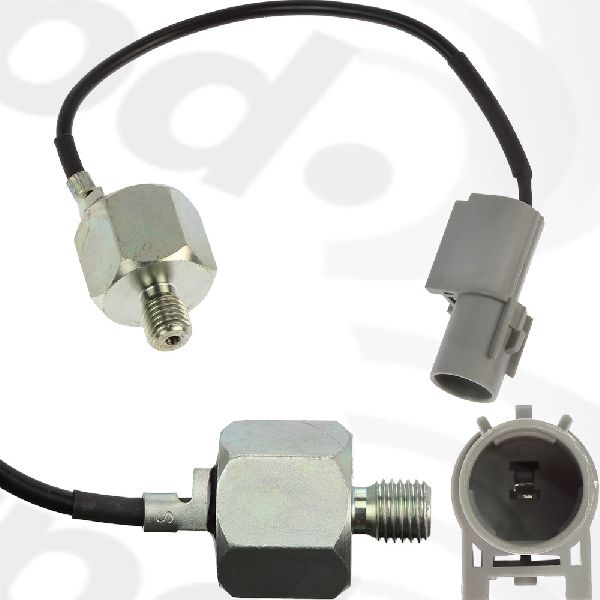
- 2002-2006 XL-7: This first generation uses a Suzuki-built 2.7L H27A V6 engine. It has one knock sensor.
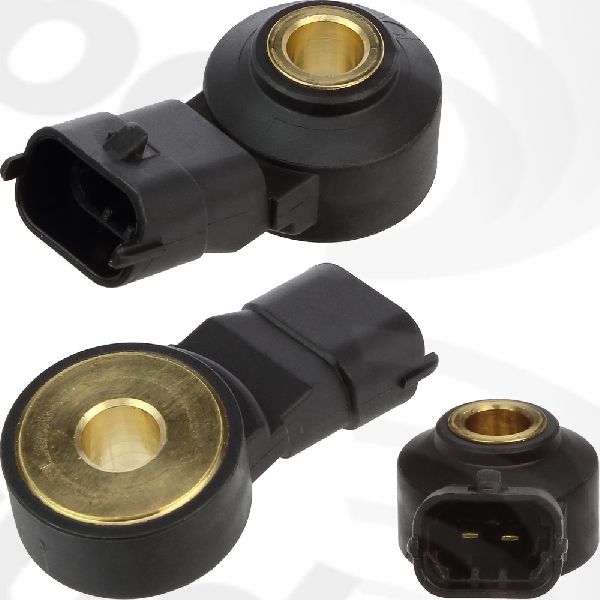
- 2007-2009 XL-7: This second generation is a GM-based vehicle with a 3.6L V6 engine. It has two knock sensors (Bank 1 and Bank 2).
This difference is important because the replacement procedure for both is difficult and labor-intensive. On both the 2.7L and 3.6L engines, the knock sensor(s) are located in the 'V' of the engine valley, underneath the entire intake manifold. This is not a simple part to access.
Symptoms of a Failing Knock Sensor
A bad knock sensor will usually trigger a Check Engine Light. You might also notice one or more of the following issues:
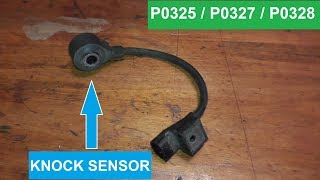
- Check Engine Light: This is the most common symptom. The computer will store a trouble code, often P0325, P0327, or P0328.
- Poor Engine Performance: Your XL-7 may feel sluggish, hesitate during acceleration, or feel like it has lost power. The engine's computer may enter a 'limp mode' to prevent damage.
- Engine Pinging Noises: Ironically, a failed sensor can lead to the very knocking it's supposed to prevent. You may hear a metallic pinging or rattling sound, especially when accelerating or going uphill.
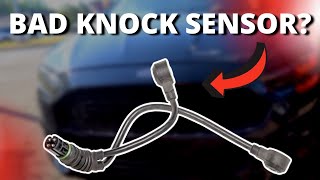
- Reduced Fuel Economy: When the sensor fails, the engine computer defaults to safer, less efficient settings, which can cause you to use more gas. 🎬 Watch: A detailed breakdown of bad knock sensor symptoms.
A Note on Diagnosis
Other issues can cause knocking sounds, such as using low-octane fuel, carbon buildup, or other engine problems. Always diagnose the stored trouble codes with an OBD-II scanner before assuming the knock sensor is the only problem.
🎬 See how to test and replace sensors for codes P0325-P0328.Choosing the Right Aftermarket Knock Sensor
Because replacing the knock sensor on either generation of XL-7 is a labor-intensive job that requires removing the intake manifold, the part you choose matters. Paying a mechanic for several hours of labor only to have a cheap, unreliable sensor fail again in a few months is a frustrating and expensive mistake. Here’s a breakdown of your options.
- Economy Brands: These are the cheapest options available. While tempting, their reliability can be questionable. Given the high cost of labor for this specific repair, an economy part is a significant gamble.
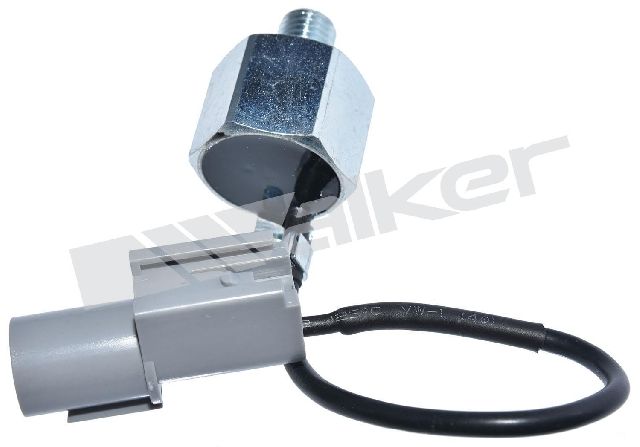
- Standard Aftermarket Brands (Standard Ignition, Walker Products, Motorad): These brands are well-known in the aftermarket and generally offer a balance of quality and value. For many repairs, they are a solid choice. Some users on automotive forums report good experiences with brands like Standard Motor Products for electronic components.
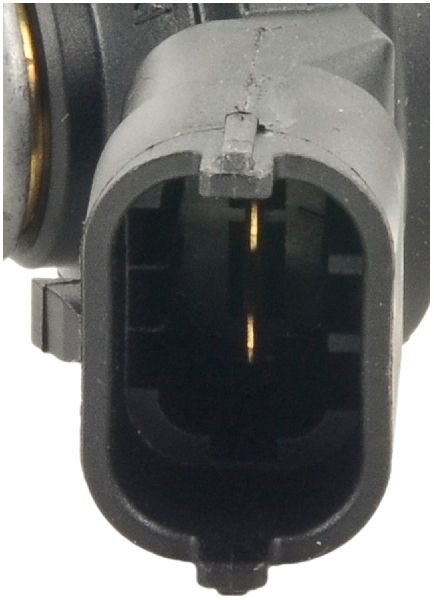
- Premium Aftermarket & OEM-Equivalent (Bosch): Bosch is a major manufacturer of original equipment parts for many car brands. Choosing a brand with a strong OEM background often provides the highest level of quality and reliability, similar to the original part. For a difficult-to-access sensor like this, a premium or OEM part is strongly recommended to ensure longevity and proper function.
Pro Tip: While the intake manifold is off, inspect and consider replacing other components in the engine valley, such as gaskets, seals, or wiring harnesses that are difficult to access otherwise. This can save you from another expensive repair down the road.
Estimated Replacement Costs
The total cost is heavily influenced by the high shop labor required for this job. Prices will vary by location and repair shop.
| Part Type | Estimated Part Cost | Estimated Labor Cost | Estimated Total Cost |
|---|---|---|---|
| New Aftermarket | $33 - $84 | $250 - $450 | $283 - $534 |
| New OEM | $90 - $220 | $250 - $450 | $340 - $670 |
Note: Cost estimates are for a single sensor. The 2007-2009 model has two sensors. Labor costs are based on average shop rates and the complexity of the job.
Frequently Asked Questions (FAQ)
Where is the knock sensor located on the Suzuki XL-7?
For both the 2002-2006 2.7L and 2007-2009 3.6L engines, the knock sensor(s) are located in the valley of the engine, bolted to the engine block underneath the intake manifold. This location requires removing the manifold for access.
Can I replace the knock sensor myself?
This is a challenging job. Because it requires removing the intake manifold, it is not recommended for beginners. You will need mechanical experience, a good set of tools, and a repair manual. For most owners, this is a job best left to a professional mechanic.
🎬 Watch this walkthrough of the 3.6L engine knock sensor replacement.How many knock sensors does the 2002-2009 XL-7 have?
The 2002-2006 XL-7 with the 2.7L V6 has one knock sensor. The 2007-2009 XL-7 with the 3.6L V6 has two knock sensors.
Is it safe to drive with a bad knock sensor?
You can drive the vehicle, but it is not recommended for an extended period. The engine computer will default to safe settings, causing poor performance and bad fuel economy. More importantly, without a working sensor, the computer cannot protect the engine from damaging detonation, which could lead to very expensive internal engine repairs over time.
Helpful Videos
Technical Specifications
OEM Part Numbers: 18640-77E00 18640-78G00 12614971
Location: Engine block, under intake manifold. Quantity: One (2002-2006 2.7L V6) or Two (2007-2009 3.6L V6).
We Have This Part in Stock


The information in this article is provided for general reference and educational purposes only. Vehicle specifications, procedures, and part compatibility can vary by production date, trim level, and region. Always consult your vehicle's factory service manual and verify part numbers before purchasing or performing repairs. Safety-critical components such as airbags, seat belts, and braking systems should be installed by a qualified professional.
- Suzuki XL-7: