

Audi A4 Engine Camshaft Position Sensor: A Guide for 2002-2010 Models
Experiencing a check engine light, rough running, or starting issues? Your A4's camshaft position sensor could be the problem.
- A camshaft sensor fault code (P0341, P0340) on an A4 can indicate a serious timing chain issue, not just a bad sensor.
- For reliability, choose an OEM-supplier brand like Bosch, Hella, or Vemo over cheaper, budget-oriented brands.
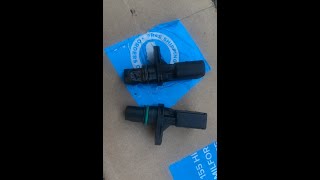
- On 2.0T engines, check the sensor for metallic debris from a potentially failing HPFP cam follower.
- Replacement on 4-cylinder models is a simple DIY task, typically requiring only a single T30 Torx bit and less than an hour.
Symptoms of a Failing Camshaft Position Sensor in an Audi A4
When the camshaft position sensor in your 2002-2010 A4 starts to fail, it won't be subtle. The car's computer relies heavily on this sensor's data, and a bad signal can cause a range of problems. The most common sign is the Check Engine Light illuminating on your dashboard. You may also experience:
- Difficulty Starting: The engine may crank longer than usual before starting, or it might not start at all.
- Engine Stalling: The engine can shut off unexpectedly while idling at a stoplight or even while driving.
- Rough Idle and Misfires: Your A4 may shake or vibrate when stopped, and you might feel the engine stumbling.
- Poor Acceleration: The car may feel sluggish and lack power when you press the gas pedal.
- Reduced Fuel Economy: A faulty sensor can cause the engine to use more fuel than necessary. 🎬 Watch: A visual guide to common bad sensor symptoms.
A Warning for Audi Owners: It's Not Always the Sensor
A fault code for the camshaft position sensor (commonly P0341 or P0340) does not automatically mean the sensor itself has failed. On these Audi engines, especially the 1.8T and 2.0T, these codes can often be the first sign of a more serious timing issue, such as a stretched timing chain or failing chain tensioners. If you replace the sensor and the code returns, it is critical to have your engine's timing components inspected by a qualified mechanic immediately to avoid severe engine damage.
Choosing the Right Aftermarket Sensor for Your A4
When it comes to critical engine sensors on a German vehicle like your A4, quality matters. While budget-friendly options are available, they can be a gamble and may fail prematurely, leaving you stranded. Forum discussions and mechanic experience strongly suggest sticking with OEM or known OEM-supplier brands for reliability.
Tier 1: OEM & OEM-Supplier Brands
These brands are either the original equipment manufacturer for Audi or are known for producing parts of equivalent quality. They are the most recommended choice for a reliable, long-lasting repair.
- Bosch: A well-known OEM supplier for Audi. Choosing Bosch is often the same as buying the genuine part without the dealer packaging.
- Hella: Another top-tier German brand that often supplies parts directly to automakers.
- Vemo: A reputable aftermarket brand for German vehicles, often considered a quality alternative to OEM.
- Delphi: A major global parts manufacturer with a strong reputation for quality electronics.
Tier 2: Reputable Aftermarket Brands
These brands offer a balance of quality and value. They are generally reliable but may not have the same OEM pedigree as the top tier.
- NGK/NTK: Famous for spark plugs, their sensor line is also well-regarded.
- Standard Ignition (SMP): A long-standing company that produces a wide range of quality engine management parts.
- Beck Arnley: This brand often sources parts from various manufacturers, sometimes including the OEM supplier. However, quality can be inconsistent from one part to another.
Tier 3: Budget Brands
These brands compete on price. While they may work, they have a higher risk of premature failure or incorrect readings, which can cause persistent running issues. Use with caution.
- URO Parts: Known as a budget-friendly option for European car parts.
- Walker Products, Facet, Spectra, etc.: These are often the most affordable but carry the highest risk for a critical sensor like this.
Typical Replacement Costs
The cost to replace the camshaft position sensor can vary depending on your A4's engine and whether you do it yourself or use a repair shop.
| Item | Estimated Cost |
|---|---|
| New Aftermarket Part | $21 - $136 |
| New OEM Part | $105 - $181 |
| Shop Labor | $159 - $233 |
| Total Professional Replacement | $264 - $414 |
Pro Tip: Check for Oil Leaks and Debris
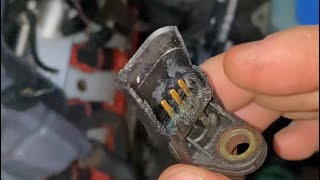
When replacing the sensor, inspect the area for oil leaks from the valve cover gasket. Oil can damage the sensor's wiring and o-ring. On 2.0T engines specifically, a failing high-pressure fuel pump (HPFP) cam follower can send metal shavings through the engine, which can collect on the magnetic tip of the camshaft sensor and cause false readings. Always clean the sensor mounting area before installing the new part.
Frequently Asked Questions (FAQ)
Where is the camshaft position sensor located on my Audi A4?
The location varies by engine:
- 1.8T Engine (B6): Located on the front of the cylinder head, behind the upper timing belt cover. 🎬 See this step-by-step replacement for the 1.8T B6 engine.
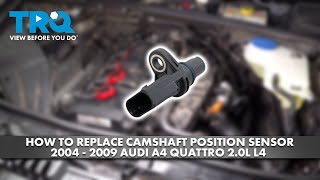
- 2.0T Engine (B7, B8): Typically found on the front of the cylinder head, near the top, sometimes under a vacuum pump or other components. It's held in by a single T30 Torx bolt. 🎬 Watch: How to replace the sensor on 2.0T engines.
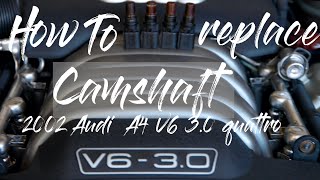
- 3.0L V6 Engine (B6): This engine has four camshaft position sensors, two on the back of each cylinder head. Accessing them requires removing the air intake housing on the passenger side.
- 3.2L V6 Engine (B7): These engines also have multiple sensors located on the cylinder heads.
Can I replace this sensor myself?
For 4-cylinder engines (1.8T, 2.0T), this is a very DIY-friendly job for most home mechanics. It usually requires basic tools like a Torx bit (T30) or a 10mm socket and can be done in under an hour. For V6 engines, the job is more involved due to the location of the sensors on the back of the heads, but it is still manageable for an experienced DIYer.
What happens if I don't replace a bad sensor?
Ignoring a failing camshaft position sensor can lead to your car not starting at all, which could leave you stranded. It can also cause damage to your catalytic converter over time due to unburnt fuel from misfires. Most importantly, the fault code could be indicating a serious timing chain issue, and ignoring that can lead to catastrophic engine failure.
Is an OEM sensor really better than aftermarket for my A4?
For critical electronic sensors on Audis, the general consensus is yes. OEM and OEM-supplier brands like Bosch undergo stricter quality control and are designed to match the precise specifications required by your car's computer. While a cheaper sensor might work initially, it has a higher chance of failing early or providing slightly inaccurate data that can cause subtle performance and fuel economy issues.
Helpful Videos
Technical Specifications
OEM Part Numbers: 06C905163B 058905161B 07L905163C 07K907601A 06E905163
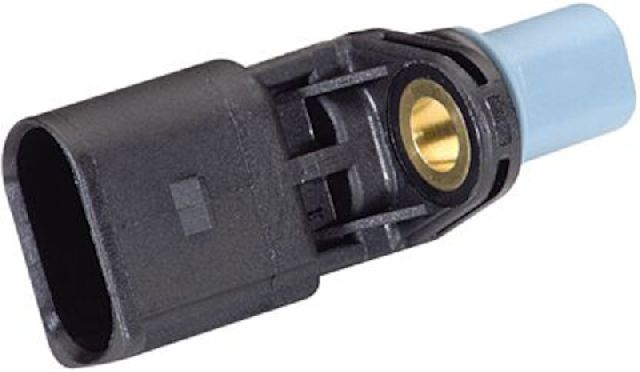
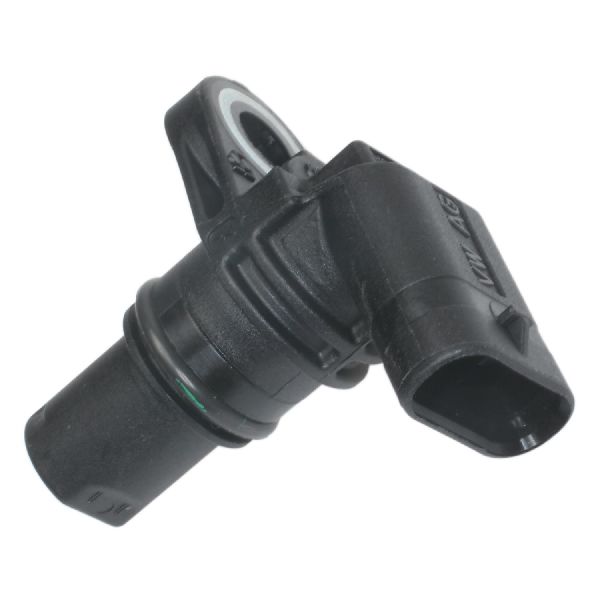
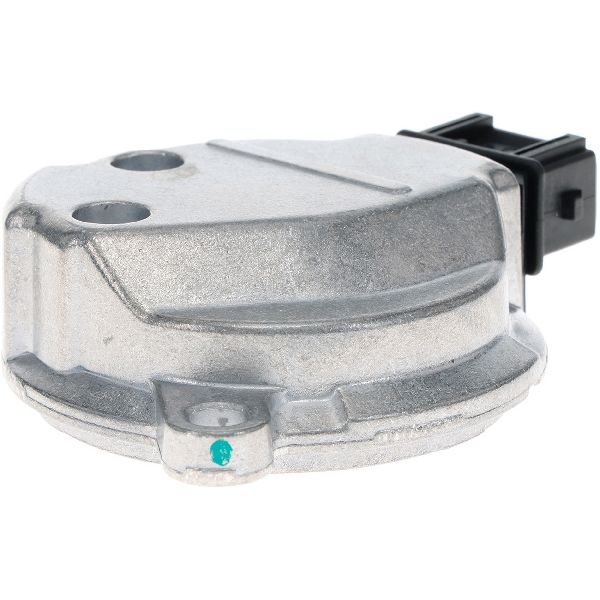
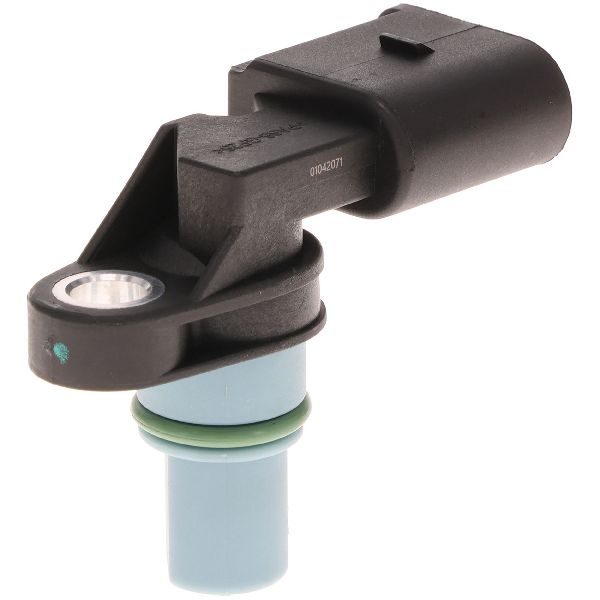
This is a Hall effect sensor that reads the position of the camshaft. It typically has a 3-pin electrical connector. The correct part number varies significantly based on the engine (1.8T, 2.0T, 3.0L, 3.2L) and model year, so verifying the exact OEM number for your vehicle is essential.
We Have This Part in Stock


The information in this article is provided for general reference and educational purposes only. Vehicle specifications, procedures, and part compatibility can vary by production date, trim level, and region. Always consult your vehicle's factory service manual and verify part numbers before purchasing or performing repairs. Safety-critical components such as airbags, seat belts, and braking systems should be installed by a qualified professional.
- Audi A4:
- 🎬 Helpful Videos
- 🛍️ Shop This Part
- Symptoms of a Failing Camshaft Position Sensor in an Audi A4
- A Warning for Audi Owners: It's Not Always the Sensor
- Choosing the Right Aftermarket Sensor for Your A4
- Tier 1: OEM & OEM-Supplier Brands
- Tier 2: Reputable Aftermarket Brands
- Tier 3: Budget Brands
- Typical Replacement Costs
- Pro Tip: Check for Oil Leaks and Debris
- Frequently Asked Questions (FAQ)
- 🎟️ Get 5% Off