

Chevrolet Trailblazer 4.2L VVT Solenoid Guide (2002-2010)
Having issues with rough idling or a check engine light on your Trailblazer? It could be the VVT solenoid.
- A failing VVT solenoid is a very common issue for the Trailblazer's 4.2L engine, with symptoms like a rough idle, power loss, and a Check Engine Light (P0014/P0017).
- The main cause of failure is dirty engine oil clogging the solenoid's screens; always change your oil when replacing this part.
- Replacement requires moving the power steering pump, making it an intermediate-level job that takes about an hour.
- For best results, use an OEM (ACDelco) or a high-quality aftermarket brand like Standard Motor Products or Gates to avoid premature failure.
Is Your Trailblazer's VVT Solenoid Failing?

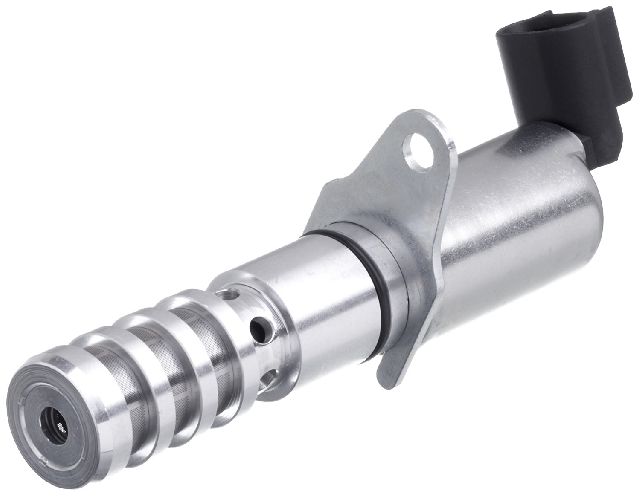
A faulty Variable Valve Timing (VVT) solenoid is a common issue on the 2002-2010 Chevrolet Trailblazer with the 4.2L engine. The main cause of failure is often simple: dirty or low engine oil. Sludge and debris can clog the tiny mesh screens on the solenoid, starving it of the oil pressure it needs to operate. Over time, the screens can even tear and send debris into the engine. Another known issue is the internal seal failing, which causes engine oil to leak into the electrical connector, leading to a poor connection and requiring the connector pigtail to be replaced along with the solenoid.
Symptoms of a Bad VVT Solenoid

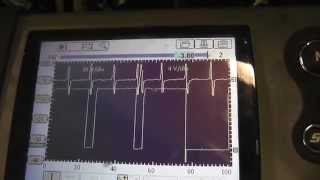
When this part fails, you will notice it. The symptoms range from annoying to serious 🎬 Watch this video to see common symptoms of a failing solenoid., and you shouldn't ignore them. The most common sign is the Check Engine Light, often with diagnostic trouble codes (DTC) like P0014 or P0017.
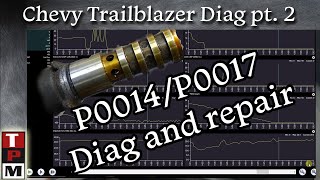
🎬 Learn more about diagnosing these common trouble codes and their causes.Choosing the Right Aftermarket Solenoid

When replacing the VVT solenoid, you have a choice between OEM and several aftermarket brands. For a critical electronic part like this, quality matters.
- Top Tier (OEM & Premium Aftermarket): ACDelco is the original GM part and the safest bet for compatibility and longevity. Standard Motor Products (SMP) and Gates are highly regarded aftermarket brands that offer OEM-level quality and are a reliable choice if you want to save a little money without sacrificing peace of mind.
- Mid-Grade (Reputable Aftermarket): Brands like Dorman and Holstein are widely available and can be a cost-effective solution. While Dorman makes many parts, some mechanics report mixed results with their electronic components, so they are best considered a standard replacement option rather than a premium one.
- Economy Tier: The lowest-priced options, often from unknown brands on online marketplaces, are a gamble. They may fail prematurely, forcing you to do the repair all over again. Given the labor involved in accessing this part, it's often worth spending more on a quality solenoid.
Pro Tip: Change Your Oil!
Before you replace the solenoid, perform an engine oil and filter change. In some cases, fresh, clean oil can restore function to a sticking solenoid. Even if you do replace the part, starting with clean oil is the best way to protect the new solenoid and prevent a repeat failure.
Estimated Costs
The total cost for this repair depends on whether you do it yourself or use a professional shop. The part itself is affordable, but the job requires moving the power steering pump, which adds to the labor time.
| Part or Service | Estimated Cost |
|---|---|
| New Aftermarket VVT Solenoid | $51 - $78 |
| New OEM (ACDelco) VVT Solenoid | $115 - $140 |
| Shop Labor | $90 - $160 |
| Total Professional Replacement | $177 - $284 |
Installation Is Trickier Than It Looks
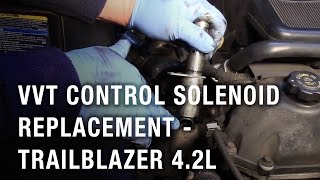
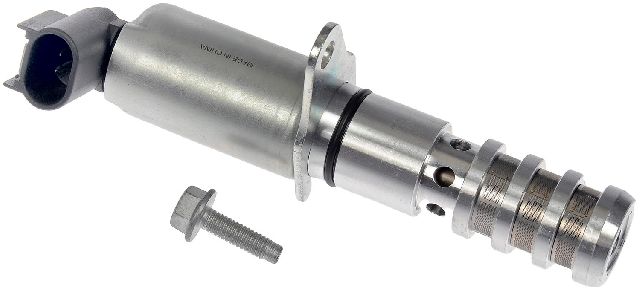
While the solenoid is only held by one bolt, it's tucked behind the power steering pump. To replace it, you must first remove the serpentine belt, then unbolt and carefully move the power steering pump to the side for clearance. This is an intermediate-level job that takes about an hour. 🎬 Follow this step-by-step guide to replace the solenoid yourself. If you're not comfortable with this, it's best to leave it to a professional.
Frequently Asked Questions

Can I just clean my VVT solenoid instead of replacing it?
You can try cleaning the solenoid and its screens with brake cleaner, but this is often a temporary fix. If the screens are torn, clogged with hardened sludge, or if the solenoid has an internal electrical fault, cleaning won't help and replacement is necessary.
Why did my new aftermarket solenoid fail so quickly?
There are two common reasons. First, if the engine oil was not changed when the new part was installed, old sludge and debris can quickly clog the new solenoid. Second, low-quality, budget-priced solenoids have a higher failure rate. It is best to use an OEM or reputable aftermarket brand.
Do I need any special tools for this job?
You will need a basic socket set (10mm and 13mm), a ratchet with an extension, and a serpentine belt tensioner tool (or a 3/8" ratchet/breaker bar). A small magnet can also be helpful for retrieving the power steering pump bolts.
Are there any recalls for the Trailblazer VVT solenoid?
No, there are no specific recalls from GM or NHTSA for the VVT solenoid on the 2002-2010 Chevrolet Trailblazer.
Helpful Videos

Technical Specifications
OEM Part Numbers: 12615873 12568078 12576768 917-010
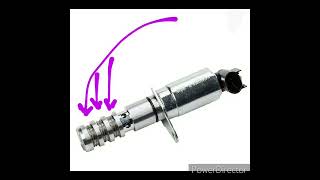
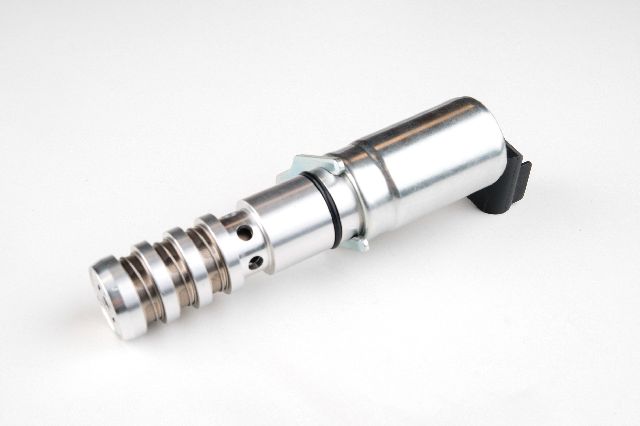
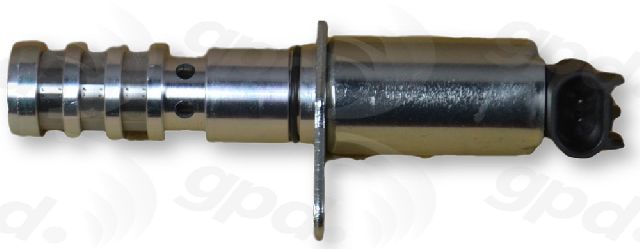
This is a single solenoid that controls the exhaust camshaft phaser on the 4.2L LL8 inline-six engine. It is located on the passenger side of the cylinder head, behind the power steering pump.
We Have This Part in Stock


The information in this article is provided for general reference and educational purposes only. Vehicle specifications, procedures, and part compatibility can vary by production date, trim level, and region. Always consult your vehicle's factory service manual and verify part numbers before purchasing or performing repairs. Safety-critical components such as airbags, seat belts, and braking systems should be installed by a qualified professional.
- Chevrolet Trailblazer: