

Dodge Ram 1500 (2002-2010) Automatic Transmission Oil Cooler Guide
Keep your Ram's transmission safe by understanding common cooler failures and choosing the right replacement part.
- You must identify if your truck has a standard or heavy-duty cooler before buying a replacement.
- Fluid leaks are the most common failure, often from the crimped sections of the cooler lines.
- Driving with an overheating transmission or a major fluid leak can quickly destroy the transmission.
- Upgrading to a heavy-duty or performance aftermarket cooler is a smart investment if you tow or haul.
Signs of a Failing Transmission Cooler
A bad transmission cooler can cause expensive damage if you ignore the warning signs. The most common issue is a leak, but overheating is the most dangerous symptom.
| Symptom | Description |
|---|---|
| Transmission Fluid Leaks | This is the most frequent sign of failure. You may see puddles or drips of reddish-brown, oily fluid under the front of your truck. Leaks often come from the cooler itself, the hose fittings, or the crimped areas where rubber hoses meet metal lines. |
| Transmission Overheating | A dashboard warning light for transmission temperature is a serious sign. Your truck might also go into a "limp mode" with reduced power to protect the transmission from heat damage. |
| Erratic or Slipping Gears | When transmission fluid is too hot or low from a leak, it can't create the right pressure for smooth shifts. You might feel harsh shifting, delayed gear engagement, or a sensation that the transmission is slipping. |
| Burning Smell | Overheated transmission fluid has a distinct, sharp burning smell. If you notice this, your transmission is getting dangerously hot. |
Choosing the Right Aftermarket Cooler
Before you buy, you must know which cooler your truck has. Ram 1500s from this era came with two options: a smaller standard-duty cooler and a larger heavy-duty cooler for trucks with the factory tow package. Using the wrong one can lead to fitment problems and poor cooling. Upgrading from a standard cooler to a heavy-duty one is a common and highly recommended modification for anyone who tows.
Aftermarket Brand Tiers
Aftermarket coolers fall into a few categories based on quality and performance.
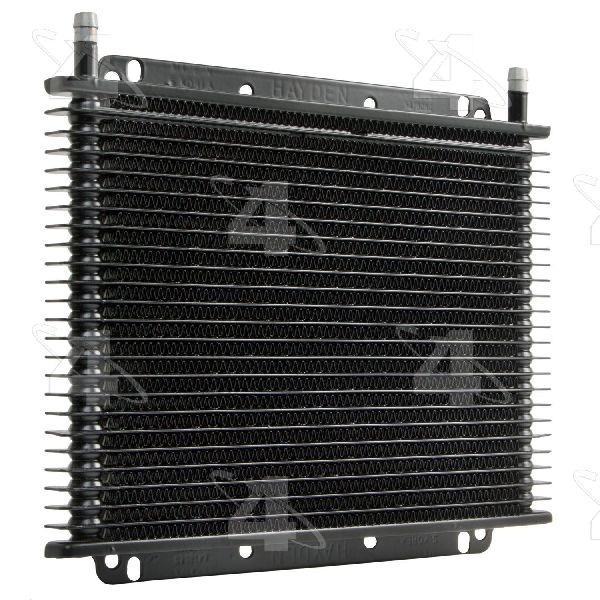
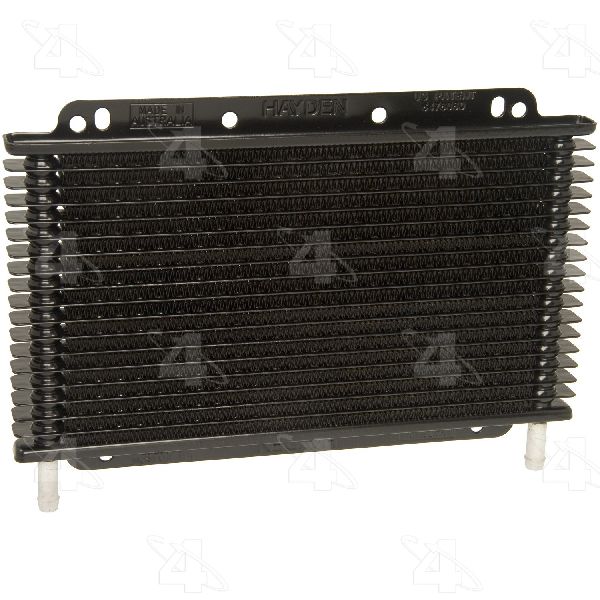
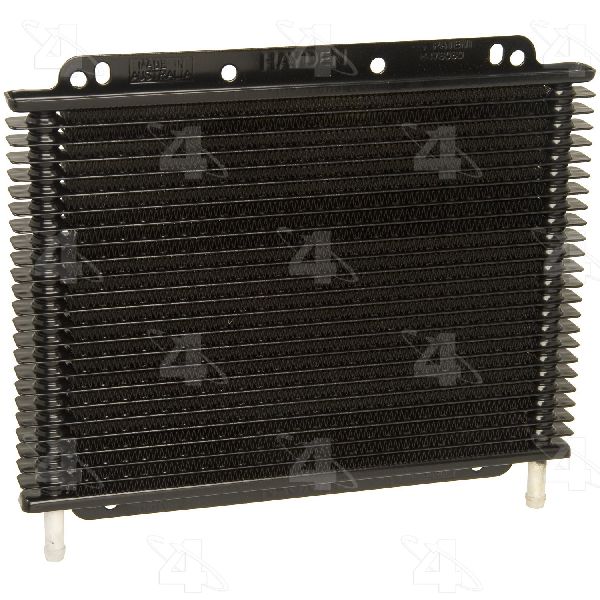
- OEM-Equivalent Replacements: Brands like Dorman, Four Seasons, Hayden, and CSF Radiator offer direct-fit replacements that perform similarly to the original part. Hayden is a popular and trusted choice for a reliable, budget-friendly repair. These are great if you use your truck for daily driving and light hauling.
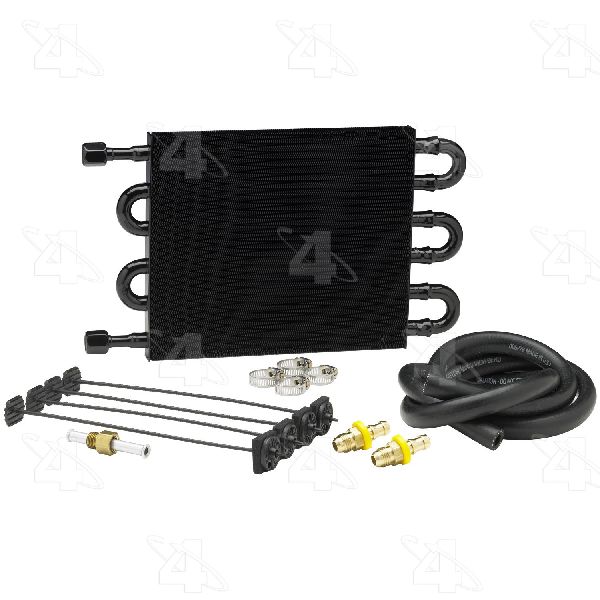
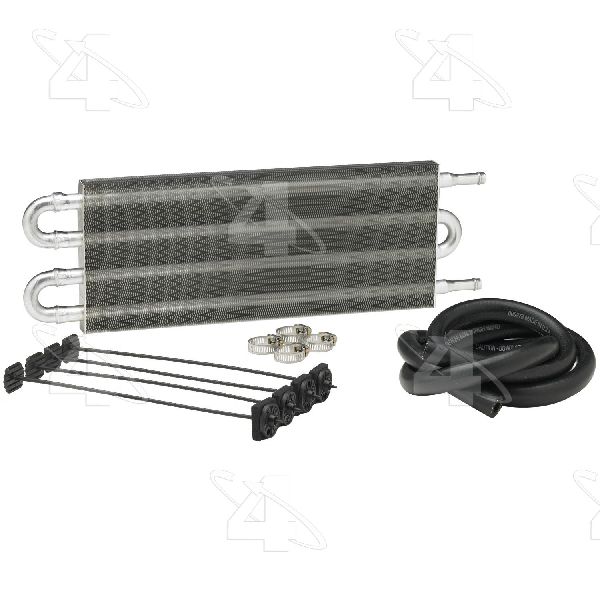
- Heavy-Duty & Performance Upgrades: Brands like Mishimoto, BD Diesel, and Derale specialize in high-performance cooling. Their coolers are often larger, use a more efficient stacked-plate design instead of the standard tube-and-fin, and provide significantly better cooling. These are the best choice if you tow heavy loads, live in a hot climate, or have a modified truck.
OEM vs. Aftermarket Quality
For the 2002-2010 Ram 1500, the original Mopar coolers are often adequate for stock applications but can be a weak point under heavy use. Many aftermarket performance brands like Mishimoto or BD Diesel offer coolers that are a significant upgrade over the factory part in both cooling efficiency and durability. For owners who tow or want extra peace of mind, a quality aftermarket upgrade is often better than a stock replacement.
Known Issues, Recalls, and TSBs
There are no major recalls or Technical Service Bulletins (TSBs) specifically for the automatic transmission oil cooler on the 2002-2010 Dodge Ram 1500. The most common owner-reported problem is fluid leaks from the factory crimps on the transmission cooler lines where the rubber hose meets the metal tube. In many cases, the cooler itself is fine, but the lines need to be repaired or replaced.
Frequently Asked Questions
Can I upgrade from a standard cooler to a heavy-duty one?
Yes, this is a very common and recommended upgrade. A heavy-duty cooler, whether from Mopar or a performance brand like Mishimoto, will provide better cooling and protection, especially if you tow. In many cases, they are a direct bolt-in replacement.
What's the difference between a tube-and-fin and a stacked-plate cooler?
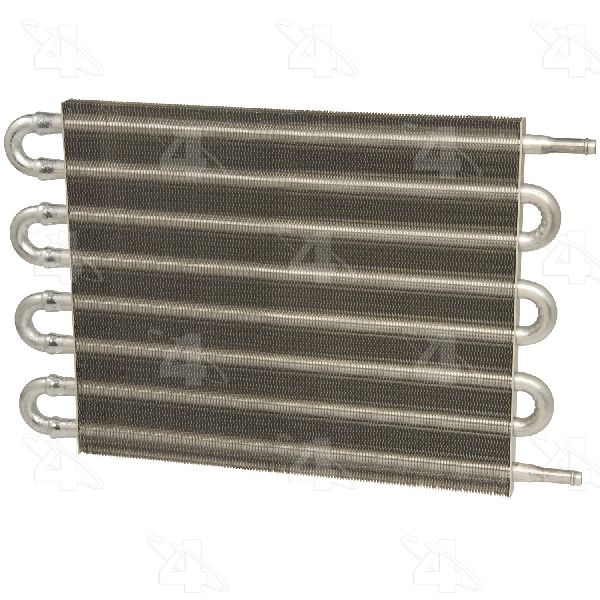
Tube-and-fin coolers are the standard type, where fluid runs through tubes and air cools fins. Stacked-plate coolers are generally more durable and efficient, offering more cooling surface area in the same amount of space. Most performance coolers use a stacked-plate design.
Do I need to flush the system when replacing the cooler?
It is highly recommended. If your old transmission failed, metal debris could be trapped in the old cooler. If you don't flush the system and install a new cooler, that debris can circulate into your new or rebuilt transmission and cause it to fail quickly.
My leak is from the hose, not the cooler. What should I do?
If the leak is from the rubber hose or a crimped connection, you may only need to replace the transmission cooler lines, not the entire cooler assembly. Some owners repair the lines by cutting off the old crimps and using high-pressure transmission hose and proper clamps, while others opt for a full replacement line from a brand like Dorman.
Technical Specifications
OEM Part Numbers: 52028967AC 52028808AB 82207597
Varies significantly between standard duty, heavy-duty, and performance models. Standard coolers are typically a tube-and-fin design, while performance coolers are often a more efficient stacked-plate design. It is critical to match the part to your truck's specific engine and factory cooling package (standard vs. tow package).
We Have This Part in Stock

The information in this article is provided for general reference and educational purposes only. Vehicle specifications, procedures, and part compatibility can vary by production date, trim level, and region. Always consult your vehicle's factory service manual and verify part numbers before purchasing or performing repairs. Safety-critical components such as airbags, seat belts, and braking systems should be installed by a qualified professional.
- Dodge Ram 1500: