

A Guide to the Engine Intake Manifold Gasket Set for the 2002-2010 GMC Yukon
Leaking coolant or a rough idle in your Yukon could point to a bad intake manifold gasket.
- The original plastic-carrier gaskets are a known failure point; choose an aftermarket set with a metal carrier like the Fel-Pro PermaDryPlus for a more durable repair.
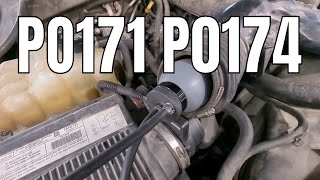
- Symptoms often include a rough idle, coolant loss, and Check Engine Light codes P0171 and P0174.
- While the intake manifold is removed, it is highly recommended to also replace the knock sensors and their wiring harness located in the engine valley.
- This is a labor-intensive job, making the higher-quality gasket a smart investment to avoid repeating the repair.
Is Your Yukon's Intake Manifold Gasket Failing?
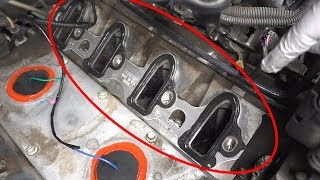
The original plastic-carrier intake manifold gaskets on the 4.8L, 5.3L, and 6.0L V8 engines in these trucks were a known weak point. Over time, constant heat cycles and exposure to fluids can cause the original plastic frame to become brittle and crack, leading to leaks. If your Yukon is experiencing mysterious coolant loss without visible puddles, a rough idle, or has a Check Engine Light on, a failing intake manifold gasket is a likely suspect.
🎬 Watch: A visual guide to common intake gasket failure symptomsCommon Failure Symptoms
- Coolant Loss & Overheating: You may notice your coolant level dropping or the engine temperature gauge running higher than normal. A significant leak can cause overheating.
- Rough Idle & Misfires: A vacuum leak from a bad gasket disrupts the air-fuel ratio, causing the engine to run rough, shake at stops, or misfire. This can trigger a Check Engine Light with codes like P0300 (Random Misfire).
- Lean Condition Codes (P0171, P0174): These are very common codes when the intake gasket fails. They mean the engine is getting too much unmeasured air, a classic sign of a vacuum leak. 🎬 See how to diagnose lean codes P0171 and P0174
- Hissing Noise: You might hear a distinct hissing or whistling sound from the engine bay, which is air being sucked through a break in the gasket.
Choosing the Right Aftermarket Gasket Set
When replacing the intake manifold gasket on your Yukon, you have a choice between standard OEM-style replacements and upgraded aftermarket designs. For this specific repair, an upgraded design is highly recommended.
Brand Quality Tiers
Pro Tip: Many mechanics and experienced owners recommend replacing the two knock sensors and the wiring harness located under the intake manifold at the same time you replace the gaskets. Since you already have the manifold off, it's cheap insurance against having to do the job twice.
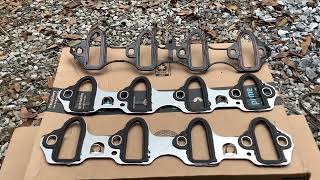
- Premium Choice (Fel-Pro): Fel-Pro is widely regarded as the top choice for this repair. Their PermaDryPlus gasket (like model MS 98016 T) features a metal carrier instead of the OEM plastic one. This design resists cracking from heat and exposure to fuel, providing a more durable, long-term seal. Many users report these gaskets are thicker and provide a superior seal, making them well worth the slightly higher cost.
- Quality Alternatives (Dorman, Victor Reinz): Dorman is known for providing complete kits that often include other necessary components like new bolts or seals. Victor Reinz is another reputable brand, often used as an OEM supplier for European vehicles, and is considered a reliable choice by many professional mechanics.
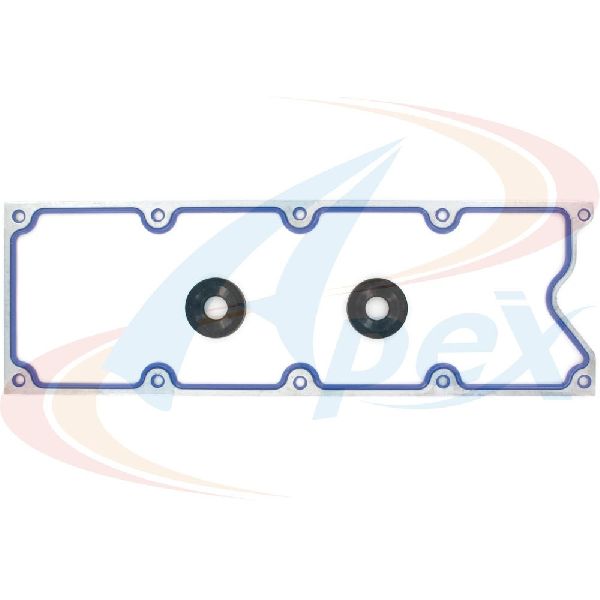
- Standard Replacement (Apex): Brands like Apex offer a direct replacement that meets original specifications. While functional, they may use the original plastic carrier design which could be prone to the same failure over time. For a vehicle in the 2002-2010 year range, opting for an upgraded metal-frame gasket is a smarter investment.
Estimated Replacement Costs
The cost to replace the intake manifold gasket set can vary significantly based on whether you do it yourself or have a shop perform the work. The part itself is relatively inexpensive compared to the labor involved.
| Item | Estimated Cost |
|---|---|
| New Aftermarket Gasket Set | $32 - $145 |
| Shop Labor | $305 - $459 |
| Total Professional Replacement | $879 - $1,030+ |
Frequently Asked Questions (FAQ)
Do I need to use sealant with the new gaskets?
For this specific application on Vortec engines, you typically do not apply sealant directly to the port seals on the gasket itself. The rubber seals are designed to crush and seal on their own. However, it is common practice to apply a small dab of RTV silicone sealant at the corners where the front and back of the engine block meet the cylinder heads to prevent oil leaks.
Should I replace the intake manifold bolts?
While not always required, it is good practice to inspect the bolts and their grommets. Some aftermarket kits may include new bolts. The original bolts are often torque-to-yield, meaning they stretch when tightened and are not designed for reuse. Given the age of the vehicle, replacing them is a low-cost way to ensure proper clamping force.
What is the difference between the original and the upgraded Fel-Pro gasket?
The original GM gasket uses a plastic frame or carrier to hold the rubber port seals. This plastic can become brittle and crack over time. The upgraded Fel-Pro PermaDryPlus design uses a more durable aluminized steel carrier that resists heat and fluids, preventing it from breaking down and ensuring a longer-lasting seal.
Is this a good DIY project for a beginner?
Replacing the intake manifold gasket is a moderately difficult job. It requires draining the cooling system, disconnecting fuel lines, removing numerous electrical connectors, and lifting a bulky intake manifold. While feasible for an experienced DIYer, it may be challenging for a beginner due to the number of steps and the need to keep debris out of the engine.
Helpful Videos

Technical Specifications
OEM Part Numbers: 89017589 19207929
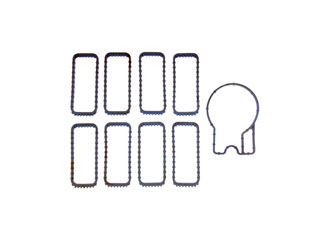
Fits 4.8L, 5.3L, and 6.0L V8 Vortec engines. Look for sets that include an upgraded metal carrier instead of the original plastic design.
We Have This Part in Stock


The information in this article is provided for general reference and educational purposes only. Vehicle specifications, procedures, and part compatibility can vary by production date, trim level, and region. Always consult your vehicle's factory service manual and verify part numbers before purchasing or performing repairs. Safety-critical components such as airbags, seat belts, and braking systems should be installed by a qualified professional.
- GMC Yukon: