

Lexus SC430 Transmission Input Shaft Speed Sensor Guide (2002-2010)
If your SC430's transmission is shifting harshly or the check engine light is on, the input speed sensor could be the cause.
- A bad input speed sensor is a common cause of harsh shifting and a P0717 trouble code on the Lexus SC430.
- Replacement is simple and accessible on the outside of the transmission, making it a good DIY task for many owners.
- Always check transmission fluid level and condition before replacing parts, as low or old fluid can cause similar symptoms.
- Stick to high-quality aftermarket brands like NGK/NTK and Standard Ignition or choose an OEM part for the best reliability.
Is Your Lexus SC430 Shifting Erratically?
A smooth-shifting transmission is a hallmark of the Lexus SC430 experience. When that smoothness is replaced by harsh shifts, hesitation, or a lit Check Engine light, it's concerning. One common part that can cause these issues is the Automatic Transmission Input Shaft Speed Sensor. This sensor is a critical link between your transmission and the car's computer. When it fails, it can mimic more serious transmission problems, but the fix is often much simpler and cheaper.
Symptoms of a Failing Input Speed Sensor
A bad input speed sensor sends incorrect information, or no information at all, to the transmission control module. This can cause a variety of problems:
- Harsh or Jerky Shifting: The computer can't time shifts correctly, causing abrupt and uncomfortable gear changes.
- Delayed Shifting: The transmission may seem to take too long to shift into the next gear, both up and down.
- Check Engine Light: A failed sensor will almost always trigger a Check Engine Light. The most common trouble code is P0717, which means the computer is getting no signal from the sensor.
- Limp Mode: The transmission may go into a "limp mode" to protect itself, often getting stuck in a single gear (like 3rd) to allow you to get home or to a shop.
- Cruise Control Not Working: The cruise control system relies on speed data, and a faulty sensor can cause it to stop working.
Check the Simple Things First
Before assuming a sensor has failed, it's wise to check your transmission fluid level and condition. Low or dirty fluid can cause shifting problems similar to a bad sensor. Also, some owners have reported that a weak battery can cause various electrical issues, including strange transmission behavior.
Choosing the Right Aftermarket Sensor
While you can always get a replacement sensor from a Lexus dealer, high-quality aftermarket parts offer a reliable and more affordable solution. For a critical electronic part like this, it's best to stick with reputable brands.
- Premium Aftermarket (e.g., NGK/NTK, Denso): Brands like NGK (under their NTK sensor line) and Denso are often the original equipment manufacturers (OEM) for Lexus. Choosing one of these brands is the closest you can get to the original part's quality and reliability without the dealer price tag. They are an excellent choice for longevity.
- Quality Aftermarket (e.g., Standard Motor Products): Brands like Standard Motor Products (SMP) have a long history of producing reliable aftermarket components that meet or exceed original specifications. They offer a good balance of quality and cost.
- Budget Brands: While the lowest price can be tempting, budget sensors have a higher risk of premature failure. Given the symptoms a bad sensor can cause, saving a few dollars on a part that might not last isn't recommended.
Pro Tip: Input vs. Output Sensors
Your SC430's transmission has both an input and an output speed sensor. They are different parts and are not interchangeable. The P0717 trouble code specifically points to the input sensor. While some mechanics recommend replacing both at the same time, it is not strictly necessary if only one has failed.
Cost of Replacing the Input Speed Sensor
The cost can vary depending on the brand of the part and local labor rates. The sensor itself is located on the outside of the transmission case, making it a relatively quick job for a professional.
| Part/Service | Estimated Cost |
|---|---|
| New OEM Sensor | $120 - $160 |
| New Aftermarket Sensor | $32 - $207 |
| Shop Labor | $60 - $120 |
| Total Estimated Cost | $92 - $327 |
Frequently Asked Questions
Can I replace the input speed sensor myself?
Yes, this is a DIY-friendly job for many owners. The input speed sensor (often referred to as the NC0 sensor) is located on the driver's side of the transmission, on the exterior of the case. It is held in by a single bolt. The process involves safely lifting the vehicle, disconnecting the electrical connector, removing the bolt, and swapping the sensor. Always use a new O-ring and lightly lubricate it with clean transmission fluid before installation.
Where is the input speed sensor located on the SC430?
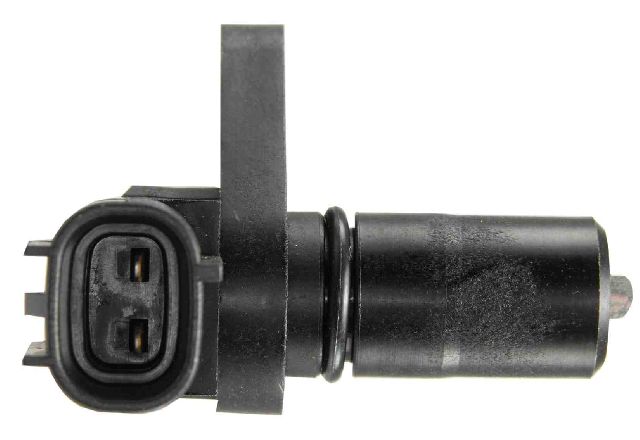
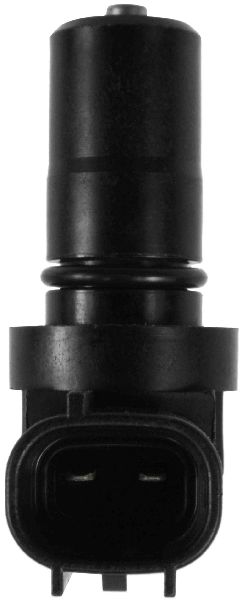
The input speed sensor is on the outside of the A650E transmission case, typically on the driver's side. It can be accessed from underneath the vehicle. It is a small, black sensor with an electrical connector, held in by one 10mm bolt.
Are there any recalls for this sensor on the Lexus SC430?
No. Searches of the NHTSA database show no recalls or technical service bulletins (TSBs) specifically for the transmission speed sensors on the 2002-2010 Lexus SC430. The major recalls for this vehicle concern the airbags.
Should I buy an OEM or aftermarket sensor?
For Lexus vehicles, using OEM parts is always a safe bet. However, top-tier aftermarket brands like NGK/NTK, which is an OEM supplier to many Japanese automakers, offer comparable quality for less money. A quality aftermarket part from a known brand like Standard Ignition is also a reliable choice. It is best to avoid the cheapest unbranded options for critical electronics.
Technical Specifications
OEM Part Numbers: 89413-32010
Fits the A650E 5-speed automatic transmission used in all 2002-2010 Lexus SC430 models. This sensor is also known as the Turbine Speed Sensor or Revolution Sensor (NC0).
We Have This Part in Stock


The information in this article is provided for general reference and educational purposes only. Vehicle specifications, procedures, and part compatibility can vary by production date, trim level, and region. Always consult your vehicle's factory service manual and verify part numbers before purchasing or performing repairs. Safety-critical components such as airbags, seat belts, and braking systems should be installed by a qualified professional.
- Lexus SC430: