

Mazda B4000 (2002-2010) Front Disc Brake Caliper Replacement Guide
Everything you need to know about replacing the sticking or failing brake calipers on your truck.
- The most common failure for B4000 calipers is seizing or sticking due to corrosion.
- Always replace calipers in pairs (left and right) to ensure balanced braking.
- High-quality new aftermarket brands like Raybestos and Centric offer the best balance of price and performance for this truck.
- Properly bleeding the brakes after installation is a critical safety step that cannot be skipped.
Is Your Mazda B4000's Brake Caliper Failing?
The brake calipers on the 2002-2010 Mazda B4000, which shares its design with the Ford Ranger, are generally durable. However, with age and exposure to moisture and road salt, they can fail. The most common issue is a seized or sticking caliper. This can happen in two ways: the piston inside the caliper can get stuck due to corrosion, or the caliper body itself can get stuck on its slide pins. In either case, the brake pad remains pressed against the rotor even when you're not braking. This leads to serious problems.
Symptoms of a Bad Brake Caliper
- Vehicle Pulling to One Side: When you brake or even while driving, a sticking caliper will cause the truck to pull towards the side with the bad caliper.
- Burning Smell: A constant dragging brake will overheat, creating a distinct, acrid burning smell from the affected wheel well.
- Brake Fluid Leaks: Puddles of oily fluid near the inside of your wheel can indicate a failed piston seal in the caliper.
- Spongy or Soft Brake Pedal: If a seal fails, air can get into the hydraulic system, making the pedal feel soft.
- Visible Damage: In rare cases, owners have reported caliper mounting bolts falling out, which is a critical failure that requires immediate attention.
- Loud Noises: Grinding, clunking, or squealing noises when braking can point to a caliper issue.
Known Issues for the 2002-2010 Mazda B4000
While no specific recalls have been issued by the NHTSA for the brake calipers on this generation of B4000, the most widely reported problem by owners is sticking or seized calipers due to corrosion of the slide pins or piston. Regular inspection and lubrication of the slide pins during brake service can help prevent this issue.
Choosing the Right Aftermarket Caliper
For a vehicle like the 2002-2010 B4000, a new aftermarket caliper is an excellent choice that balances quality and cost. Original Equipment (OEM) calipers from Mazda are expensive and unnecessary for most owners. Remanufactured calipers are also a common option, but quality can sometimes be inconsistent. New aftermarket parts offer fresh castings and all-new components, providing peace of mind.
Aftermarket Brand Tiers
- Standard Replacement (Good): Brands like Cardone (New), Dynamic Friction, and BBB Industries offer cost-effective new calipers that meet or exceed original specifications. They are a solid choice for daily driving and normal use.
- Premium Replacement (Better): Raybestos and Centric are highly regarded in repair communities for their quality and reliability. They often feature better coatings to resist corrosion and are considered a safe bet for a long-lasting repair.
- Performance/Coated (Best): Powerstop calipers are often sold as part of an upgrade kit. They typically feature a durable powder-coated finish (usually red) that provides superior protection against rust and looks great behind open-spoke wheels. Brands like Cardone Ultra and Raybestos Element3 also offer coated calipers for enhanced durability.
Pro Tip: Replace in Pairs
It is highly recommended to replace calipers in pairs (both front left and front right at the same time). This ensures even braking performance and prevents the older caliper from failing shortly after the new one is installed. Also, plan on flushing your brake fluid during the job, as old, contaminated fluid is a primary cause of caliper failure.
Estimated Costs for Caliper Replacement
| Part / Service | Estimated Cost (Per Caliper) |
|---|---|
| New Aftermarket Caliper | $55 - $145 |
| Remanufactured Caliper | $50 - $120 (plus core charge) |
| New OEM Caliper | $150 - $300+ |
| Shop Labor | $100 - $225 |
| Total Professional Job (Aftermarket Part) | $155 - $370 |
Frequently Asked Questions (FAQ)
Do I need a new bracket with my caliper?
Most aftermarket calipers for the B4000 are available with or without the mounting bracket. If your existing bracket is in good shape and not heavily corroded, you can often reuse it. However, purchasing a loaded caliper with a new, pre-lubricated bracket can save time and prevent issues with seized slide pins.
What is a 'core charge?'
A core charge is a deposit you pay when buying a remanufactured part. You get this deposit back when you return your old, worn-out caliper to the seller. New calipers do not have a core charge.
Can I replace just one caliper?
While you can, it's not recommended. Replacing calipers in pairs ensures that both sides have the same clamping force and response, providing safe, balanced braking. If one caliper has failed due to age, the other is likely not far behind.
Is this a good DIY job for a beginner?
Replacing a brake caliper is an intermediate-level job. It requires safely lifting and supporting the vehicle, using wrenches on tight fittings, and bleeding the brakes afterward. Bleeding the brakes is the most critical step and must be done correctly to ensure safety. If you are not comfortable with hydraulic brake systems, it is best to leave this job to a professional mechanic.
Technical Specifications
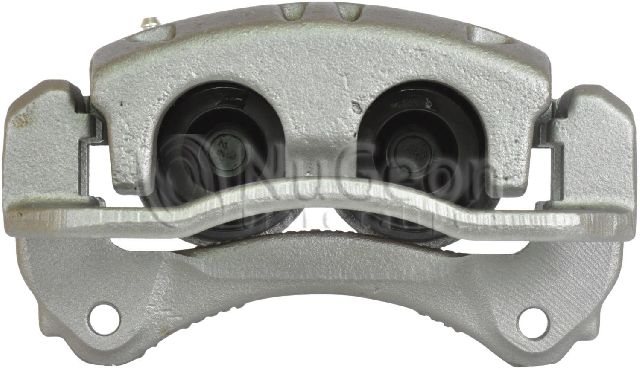
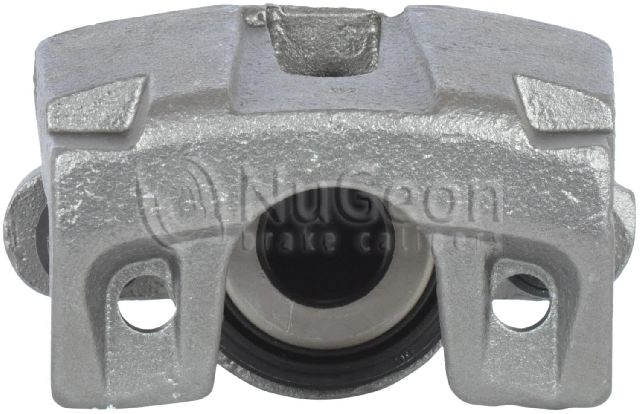
The 2002-2010 Mazda B4000 uses a cast iron, single-piston floating caliper for the front disc brakes. The piston is typically made of phenolic material to resist heat and corrosion.
We Have This Part in Stock
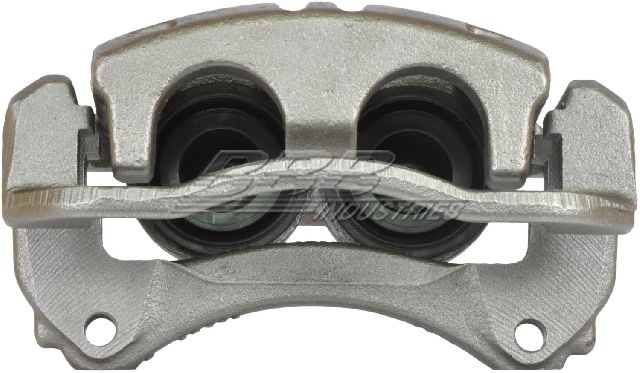
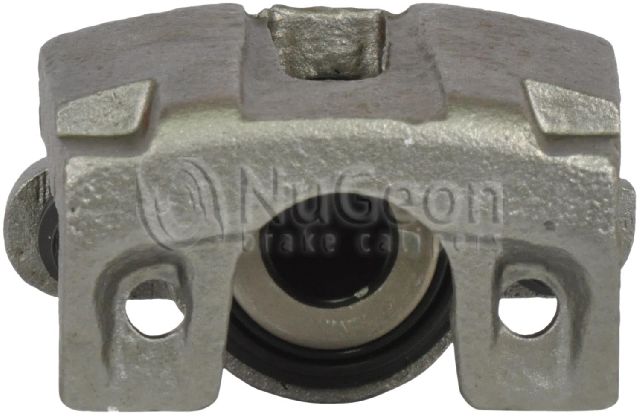
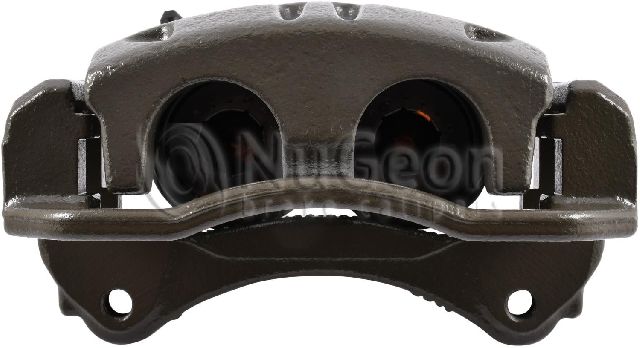
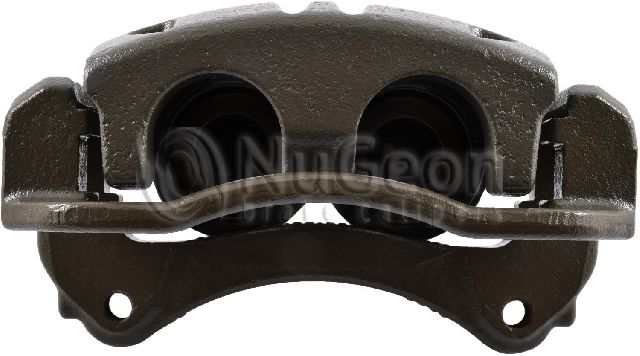

The information in this article is provided for general reference and educational purposes only. Vehicle specifications, procedures, and part compatibility can vary by production date, trim level, and region. Always consult your vehicle's factory service manual and verify part numbers before purchasing or performing repairs. Safety-critical components such as airbags, seat belts, and braking systems should be installed by a qualified professional.
- Mazda B4000:
- 🛍️ Shop This Part
- Is Your Mazda B4000's Brake Caliper Failing?
- Symptoms of a Bad Brake Caliper
- Known Issues for the 2002-2010 Mazda B4000
- Choosing the Right Aftermarket Caliper
- Aftermarket Brand Tiers
- Pro Tip: Replace in Pairs
- Estimated Costs for Caliper Replacement
- Frequently Asked Questions (FAQ)
- 🎟️ Get 5% Off