

Mercury Mountaineer Ignition Coil Boot Kit Guide for 2002-2010 Models
Solve common engine misfires and rough idling in your Mountaineer by understanding and replacing the ignition coil boots.
- Failing coil boots are a primary cause of misfires (P030x codes) on the 2002-2010 Mountaineer.
- Moisture in the spark plug wells is a common problem; always clean the wells and use dielectric grease on new boots to prevent future issues.
- Replace all boots at the same time, preferably during a spark plug change, for best results.
- Quality aftermarket brands like Denso and Standard offer reliable performance without the higher cost of OEM parts.
Symptoms of a Failing Coil Boot
When a coil boot starts to fail on your Mountaineer, the signs are usually noticeable. The rubber breaks down from engine heat and age, causing cracks that let the spark escape. This is often made worse by moisture getting into the spark plug wells, a known issue on these engines.
- Engine Misfires: The engine may sputter, shake, or hesitate, especially when you accelerate. This is the most common symptom.
- Rough Idle: Your vehicle might vibrate or run unevenly when stopped at a light.
- Check Engine Light: A failing boot will almost always trigger the check engine light. A flashing light indicates a severe misfire that could damage your catalytic converter. Common codes include P0300 (random misfire) or codes for specific cylinders, like P0301, P0302, etc.
- Reduced Fuel Economy: When a cylinder isn't firing correctly, your engine burns more fuel to compensate.
Moisture is the Enemy
The 4.0L V6 and 4.6L V8 engines used in the Mountaineer are known for collecting water and oil in the spark plug wells. This moisture accelerates the failure of coil boots, causing misfires. When replacing the boots, always clean and dry the spark plug wells thoroughly.
Choosing the Right Aftermarket Boot Kit
You don't need to buy the most expensive OEM parts to get a reliable repair. For a component like an ignition coil boot, high-quality aftermarket brands offer excellent performance and durability. The key is to avoid the cheapest, no-name options, as they often use lower-grade materials that fail quickly.
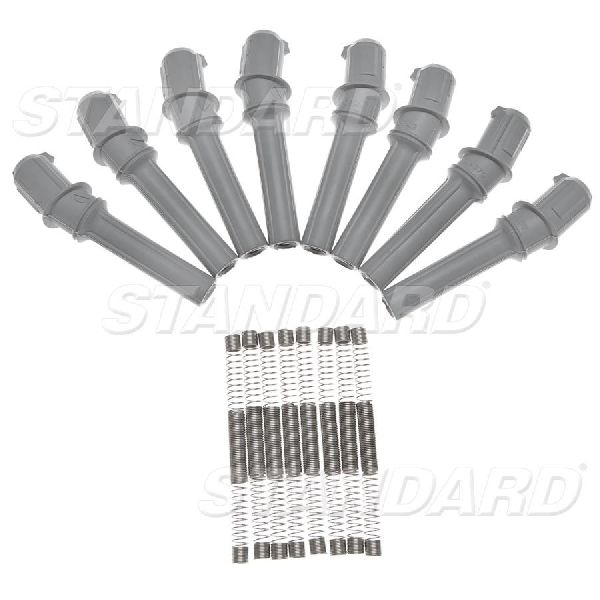
- Tier 1 Aftermarket (Denso, Standard): Brands like Denso and Standard Motor Products (SMP) are well-regarded in the industry. Denso is an original equipment manufacturer for many car brands and has a reputation for quality that often matches or exceeds factory parts. Standard is a long-standing company known for producing reliable ignition components. Both are solid choices for your Mountaineer.
- OEM (Motorcraft): Motorcraft is Ford's official parts brand. While they are a guaranteed fit and quality, they are typically more expensive than top-tier aftermarket alternatives without offering a significant performance advantage for this part.
Always Use Dielectric Grease
When you install new coil boots, apply a small amount of dielectric grease to the inside of both ends. This seals out moisture, prevents voltage leaks, and makes it much easier to remove the boot from the spark plug in the future. Many quality kits, like those from Denso, include a packet of grease.
Cost of Replacing Ignition Coil Boots (2002-2010 Mountaineer)
| Part/Service | Estimated Cost |
|---|---|
| New Aftermarket Kit (Denso, Standard) | $54.00 - $87.00 |
| New OEM Kit (Motorcraft) | $90.00 - $150.00 |
| Shop Labor | $50.00 - $100.00 |
| Total DIY Cost (Aftermarket) | $54.00 - $87.00 |
| Total Professional Replacement | $104.00 - $187.00 |
Cost estimates are approximate and can vary based on your location and specific vehicle engine (V6 or V8).
Frequently Asked Questions
Should I replace just the boots or the entire ignition coil?
If your vehicle has less than 100,000 miles and only the boot is damaged (cracked or oil-soaked), replacing just the boot and spring is a cost-effective repair. If your Mountaineer has high mileage or the coil itself is the source of the misfire, it's better to replace the entire coil assembly.
If one boot is bad, should I replace all of them?
Yes. Coil boots are exposed to the same heat and conditions, so if one has failed, the others are likely near the end of their service life. It is best practice to replace all the boots at the same time you replace your spark plugs, which is typically every 80,000 to 100,000 miles.
Is the replacement different for the V6 and V8 engines?
The basic process is the same for both the 4.0L V6 and 4.6L V8 engines. Both use a Coil-On-Plug (COP) design. However, access to the coils on the passenger side of the V8 engine can be tighter, sometimes requiring the removal of a breather hose or part of the air intake tube for clearance.
Can a bad coil boot damage my engine?
Directly, no. But driving for an extended period with a constant misfire can cause unburned fuel to enter the exhaust system, which can overheat and destroy the catalytic converter—a very expensive repair. It's best to address misfire issues promptly.
Technical Specifications
OEM Part Numbers: Varies by engine (4.0L V6 or 4.6L V8) and specific production year. Always verify fitment before ordering.
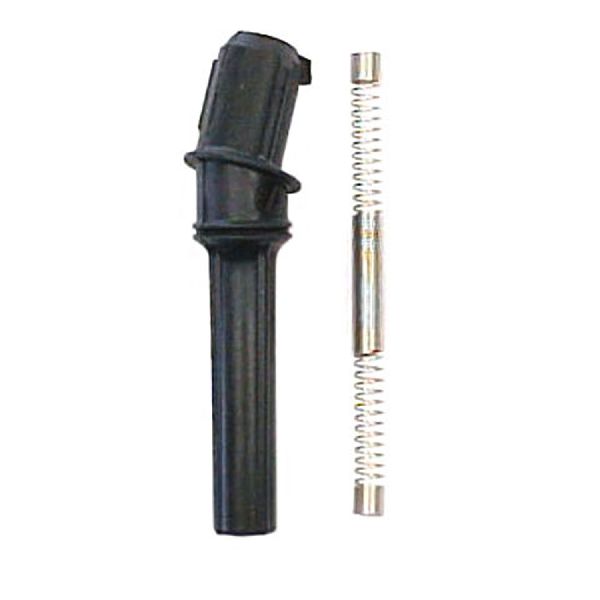
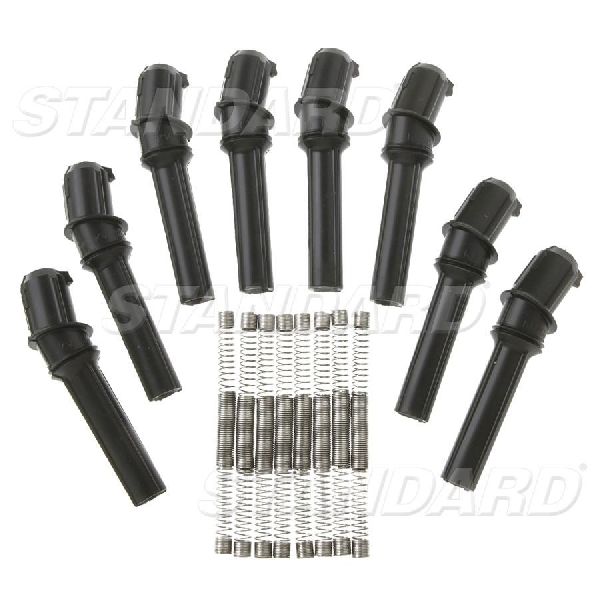
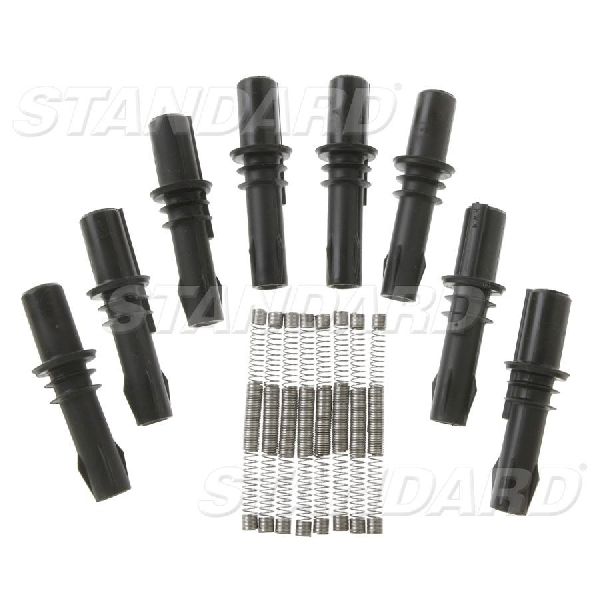
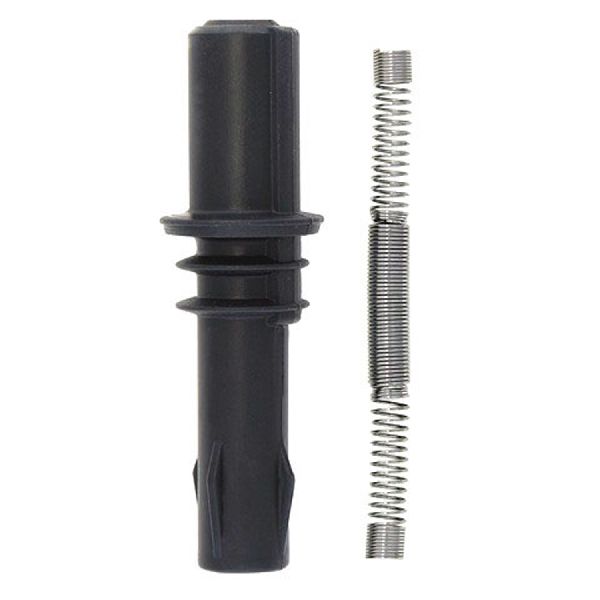
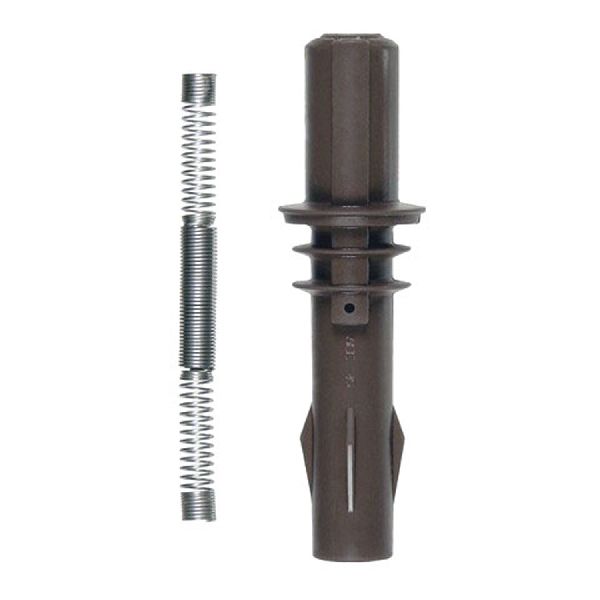
Kit includes rubber/silicone boots and contact springs. Designed for a Coil-On-Plug (COP) ignition system.
We Have This Part in Stock

The information in this article is provided for general reference and educational purposes only. Vehicle specifications, procedures, and part compatibility can vary by production date, trim level, and region. Always consult your vehicle's factory service manual and verify part numbers before purchasing or performing repairs. Safety-critical components such as airbags, seat belts, and braking systems should be installed by a qualified professional.
- Mercury Mountaineer: