

Your Guide to the 2002-2010 Mercury Mountaineer Exhaust Manifold Gasket Set
That ticking noise from your engine is likely a leaky exhaust gasket—here’s what you need to know before you buy a replacement.
- The most common symptom of failure is a ticking noise from the engine that is loudest when cold.
- Be prepared for broken exhaust manifold studs during removal; this is a very common complication that increases repair time and cost.
- Always inspect the exhaust manifold for cracks or warping before installing a new gasket. A damaged manifold will cause the new gasket to fail.
- For a lasting repair, use a quality multi-layer steel (MLS) aftermarket gasket and always install new studs and nuts.
Is Your Mountaineer Making a Ticking Noise?
One of the most common issues for the 2002-2010 Mercury Mountaineer is a ticking or tapping sound from the engine bay, especially when it's cold. This noise often points to a failed exhaust manifold gasket. The sound happens because as the gasket fails, it allows a small puff of exhaust to escape with each combustion cycle, creating a distinct tick. The noise may lessen or disappear as the engine warms up because the metal parts expand and temporarily reseal the leak.
Symptoms of a Failing Exhaust Manifold Gasket
- Ticking or Tapping Noise: The most common symptom, loudest on a cold start and may quiet down as the engine heats up.
- Exhaust Smell: You may smell exhaust fumes in the engine bay or even inside the passenger cabin, which can be dangerous.
- Decreased Performance and Fuel Economy: An exhaust leak can disrupt the oxygen sensor readings, causing the engine to run inefficiently.
- Check Engine Light: The leak can cause lean conditions or oxygen sensor errors that trigger the check engine light.
- Visible Soot: You might see black soot or burn marks on the cylinder head around the leaking manifold.
Known Issue: Warped Manifolds and Broken Studs
The biggest challenge with this repair is not the gasket itself, but the surrounding hardware. The constant high heat can cause the heavy cast iron exhaust manifold to warp over time. When this happens, it creates a gap that the gasket can no longer seal, causing a leak. More importantly, the steel studs that bolt the manifold to the aluminum cylinder head are notorious for rusting and breaking off during removal. A simple gasket replacement can turn into a much bigger job that involves drilling out broken studs, which significantly increases labor time and cost. Be prepared for this possibility.
Choosing the Right Aftermarket Gasket
When replacing the gasket, you have several good aftermarket options. The original gaskets fail from thousands of heat cycles, and a quality replacement is key to a lasting repair.
- Material Matters: Look for Multi-Layer Steel (MLS) gaskets. These are made from multiple layers of embossed steel, which provides a strong, reliable seal that can handle the expansion and contraction of the different metals and resist blowouts.
- Brand Tiers: Brands like Victor Reinz and Cometic are known for producing quality gaskets, often supplying original equipment manufacturers. Apex offers a more budget-friendly option. For a common failure point like this, investing in a quality gasket from a reputable brand is a smart choice to avoid doing the job twice.
Pro Tip: Always use new bolts or studs when replacing your exhaust manifold gasket. The old ones have been weakened by countless heat cycles and are prone to breaking. Also, carefully inspect the manifold's mating surface for flatness with a straight edge. If it's warped, the new gasket will fail quickly, and the manifold should be replaced or resurfaced.
Cost to Replace Mercury Mountaineer Exhaust Manifold Gasket
| Part/Service | Estimated Cost |
|---|---|
| New Aftermarket Gasket Set | $10 - $60 |
| Shop Labor | $200 - $350 |
| Total (Best Case) | $210 - $410 |
| Additional Labor for Broken Studs | $100 - $500+ |
Note: Costs are estimates. The final price can vary based on your location and the specific condition of your vehicle. The potential for broken studs is a major variable in the total cost.
Frequently Asked Questions
Should I replace the exhaust manifold at the same time as the gasket?
You should always inspect it. Use a straight edge to check the manifold's mounting flange for warping. Also, check for any cracks, which are common. If the manifold is warped or cracked, it must be replaced, or the new gasket will fail in a short time.
Do I have to replace the manifold bolts or studs?
Yes. It is highly recommended to use new hardware. The original studs and nuts have been exposed to extreme heat and corrosion. They are likely stretched and weakened. Reusing them risks improper torque and future leaks or breakage.
Is this a good DIY job?
It can be, if you are an experienced DIY mechanic with the right tools. However, you must be prepared to deal with broken exhaust studs. This often requires specialized tools for drilling and extraction. If you are not comfortable with that possibility, it is best to leave this job to a professional.
Is an OEM gasket better than aftermarket?
Not necessarily. The original gaskets are prone to failure over time. High-quality aftermarket gaskets, especially MLS (Multi-Layer Steel) types from brands like Cometic or Victor Reinz, often meet or exceed OEM specifications and are designed for the real-world conditions of a repair.
Technical Specifications
OEM Part Numbers: 4L2Z-9448-CA F77Z-9448-BA 3L3Z-9448-CA
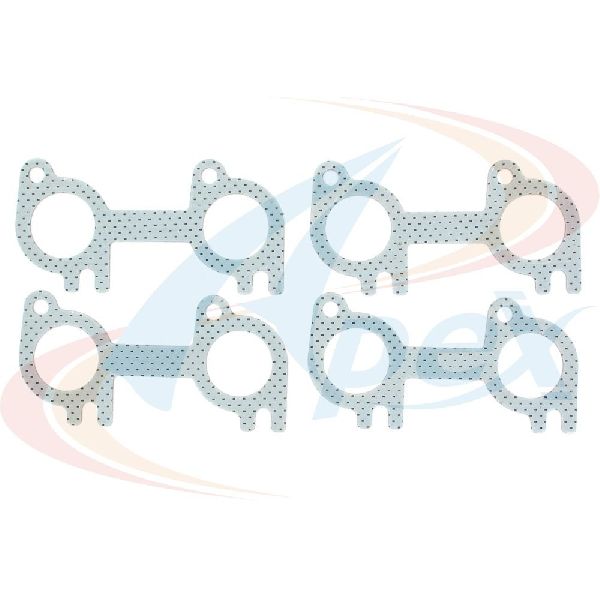
Gasket design and port shapes differ between the 4.0L SOHC V6 and the 4.6L V8 engines. It is critical to order the correct set for your specific engine. Multi-Layer Steel (MLS) is the preferred gasket material for durability.
We Have This Part in Stock


The information in this article is provided for general reference and educational purposes only. Vehicle specifications, procedures, and part compatibility can vary by production date, trim level, and region. Always consult your vehicle's factory service manual and verify part numbers before purchasing or performing repairs. Safety-critical components such as airbags, seat belts, and braking systems should be installed by a qualified professional.
- Mercury Mountaineer: